
Application for blasting contractors, metal restorers and blacksmiths
Wrought iron railing restoration by blasting
Wrought iron railing restoration starts with blasting rust and old paint off the metal with an abrasive and compressed air, so a new paint or coating adheres well. Phibo supplies the mobile MCS², MTC Metalcleaner, blast cabinets and blast rooms, with results on gates and finials.
- Mobile, the railing stays in place
- Minimal abrasive consumption
- MTC Metalcleaner, hard and sharp grains
- Surface technology specialist since 1988
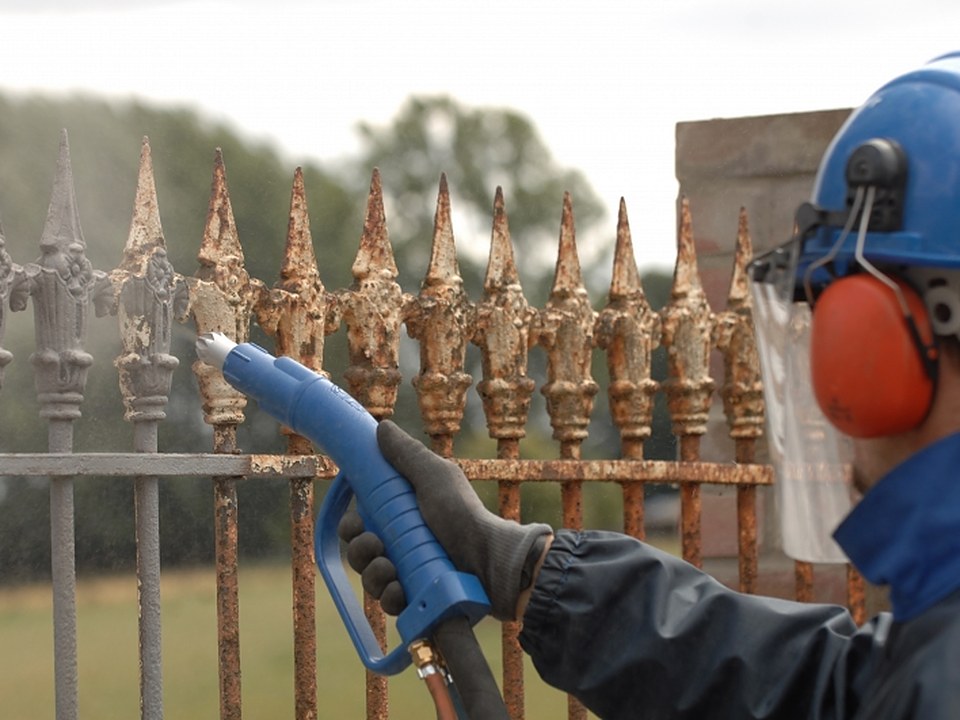
The result
Rust off, finials included
Rust and flaking paint sit deep in the scrolls and the finials. All of it has to come off, so the new layer adheres well.
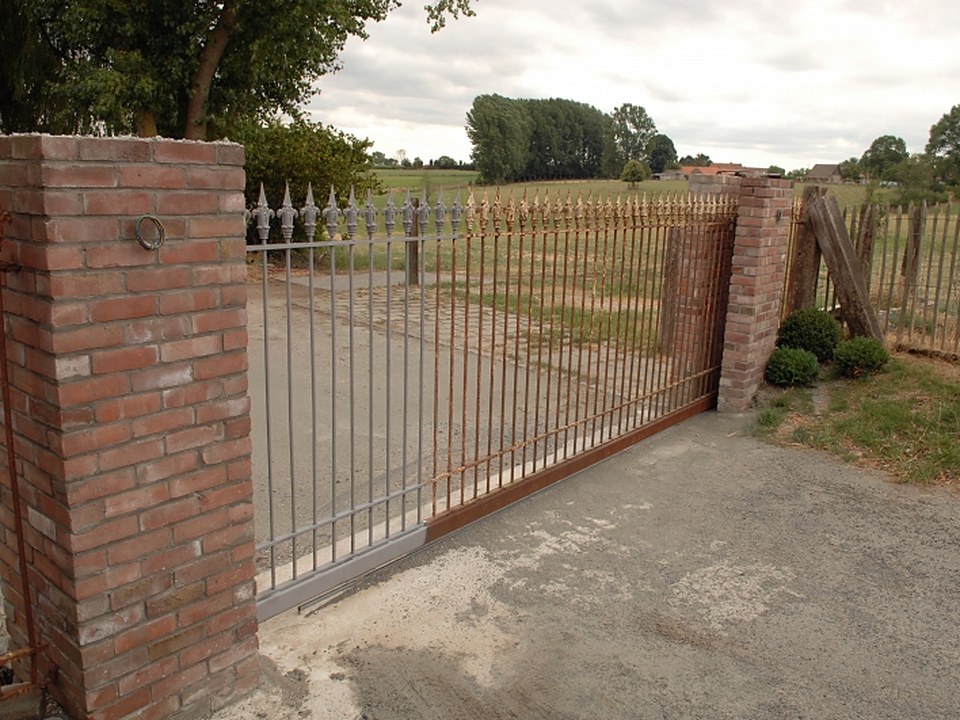
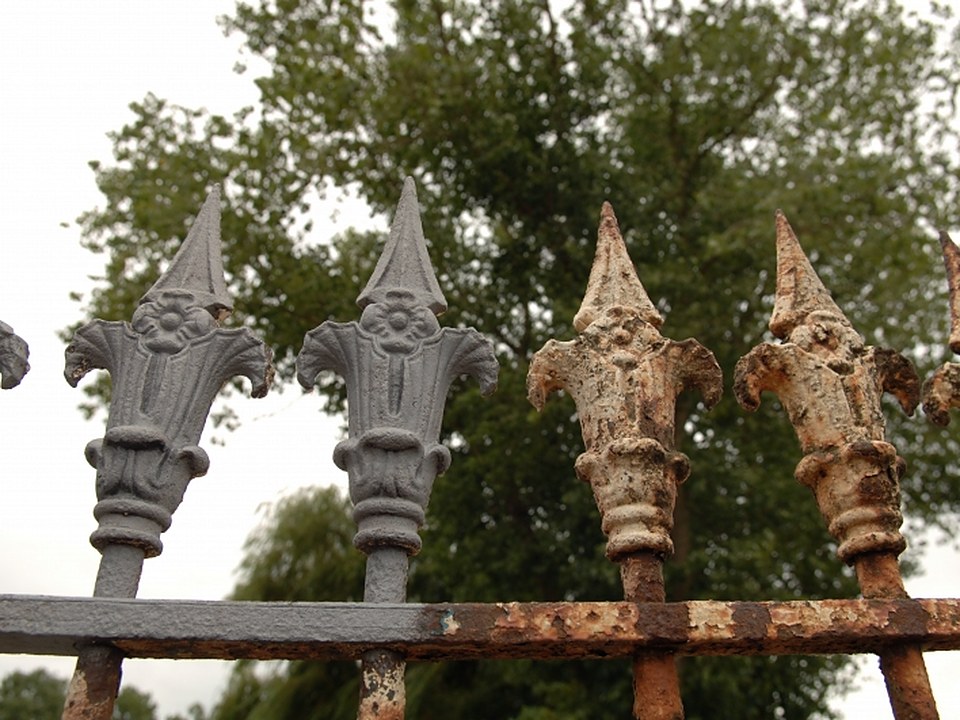
How it works
Blasting railings with the MCS²
Blasting a railing means taking rust and old layers of paint off the metal with an abrasive and compressed air, so a new paint or coating adheres well. With the mobile MCS² you do this on site, with the blast generator and the compressor next to the railing.
Mask off
Cover whatever has to stay clean, such as the piers and the path. The abrasive spreads around the railing.
Choose the abrasive
For rust and paint on wrought iron you use MTC Metalcleaner, hard and sharp grains that derust and roughen the metal.
Blast
You work with the dead man control on the blasting nozzle, deep into the scrolls and the finials.
Finish
Sweep or vacuum up the abrasive, then paint or coat. The roughened surface helps the new layer adhere.
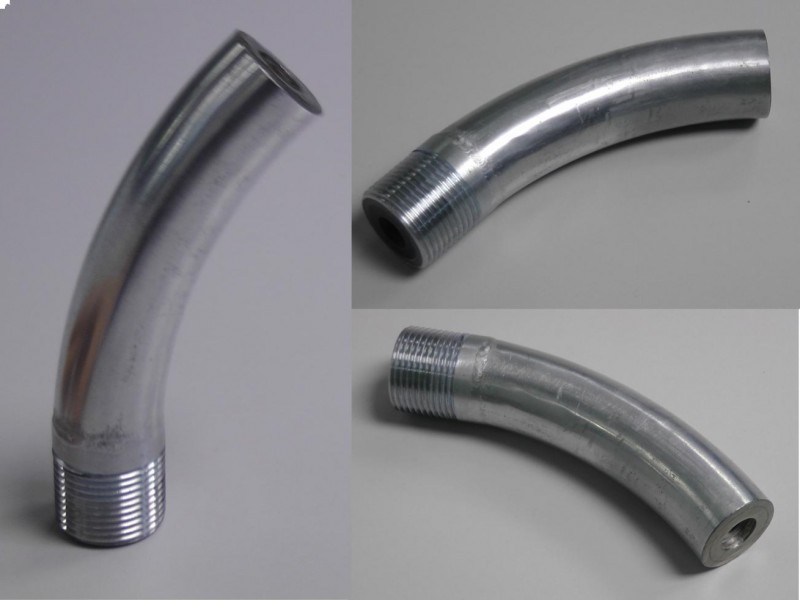
Methods compared
On site or in the workshop
Whether the railing stays in place or comes to your workshop decides the installation. Here is how they compare.
| Method | Advantage | Drawback |
|---|---|---|
| Sandblasting | Fast, at high pressure. | Dry blasting with sand is banned in Belgium. |
| Air-gumming with the MCS² | On site, the railing stays in place. Minimal abrasive consumption. | The abrasive spreads around the railing. Masking and clean-up needed. |
| Blast cabinet | The part stays in the cabinet, the abrasive returns into circulation. | Only for dismantled parts that fit in the cabinet. |
| Blast room | For large gates and railings. The operator walks into the blasting space. | The railing has to come off and go to the blast room. |
Swipe the table to the left to see all columns.
Dry blasting with sand, or with abrasive containing more than 1% free crystalline silica, is banned in Belgium (Belgian Code on Well-being at Work). Air-gumming is done with abrasive that contains no free crystalline silica.
Other work too
Not just railings
With the same MCS² you work all year round, on site and in the workshop.
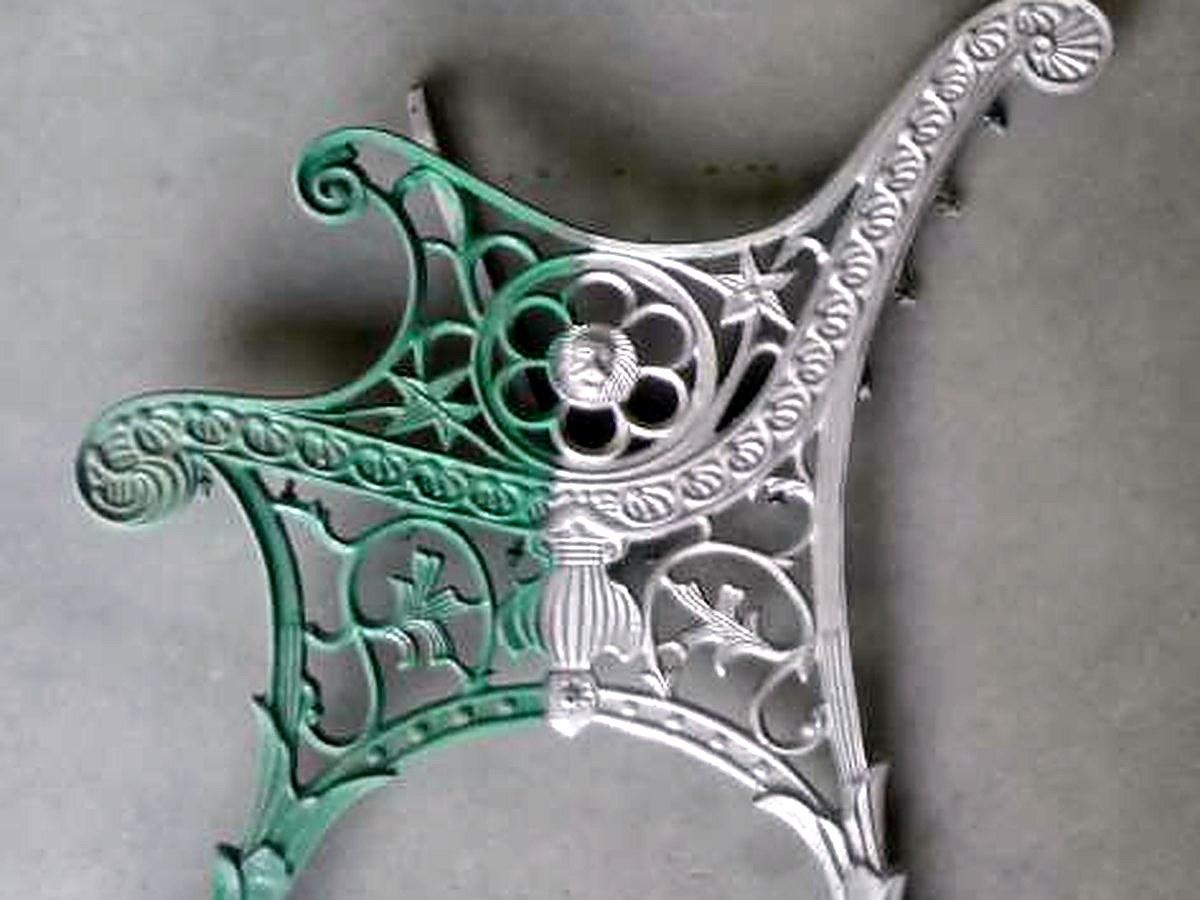
Cast iron and ironwork
Balusters, bench legs and radiators derusted and stripped, down to the finest relief.
Wood
Natural stone and brick
Graffiti
Not sure which abrasive fits? Send a photo of the railing. We'll tell you which abrasive and which setting suit it.
References
They already work with Phibo
A selection of Phibo customers, across different industries.






The machines
Which installation suits your railings
If the railing stays in place, you air gum with the MCS². If the parts come to your workshop, you blast them in a blast cabinet or a blast room.
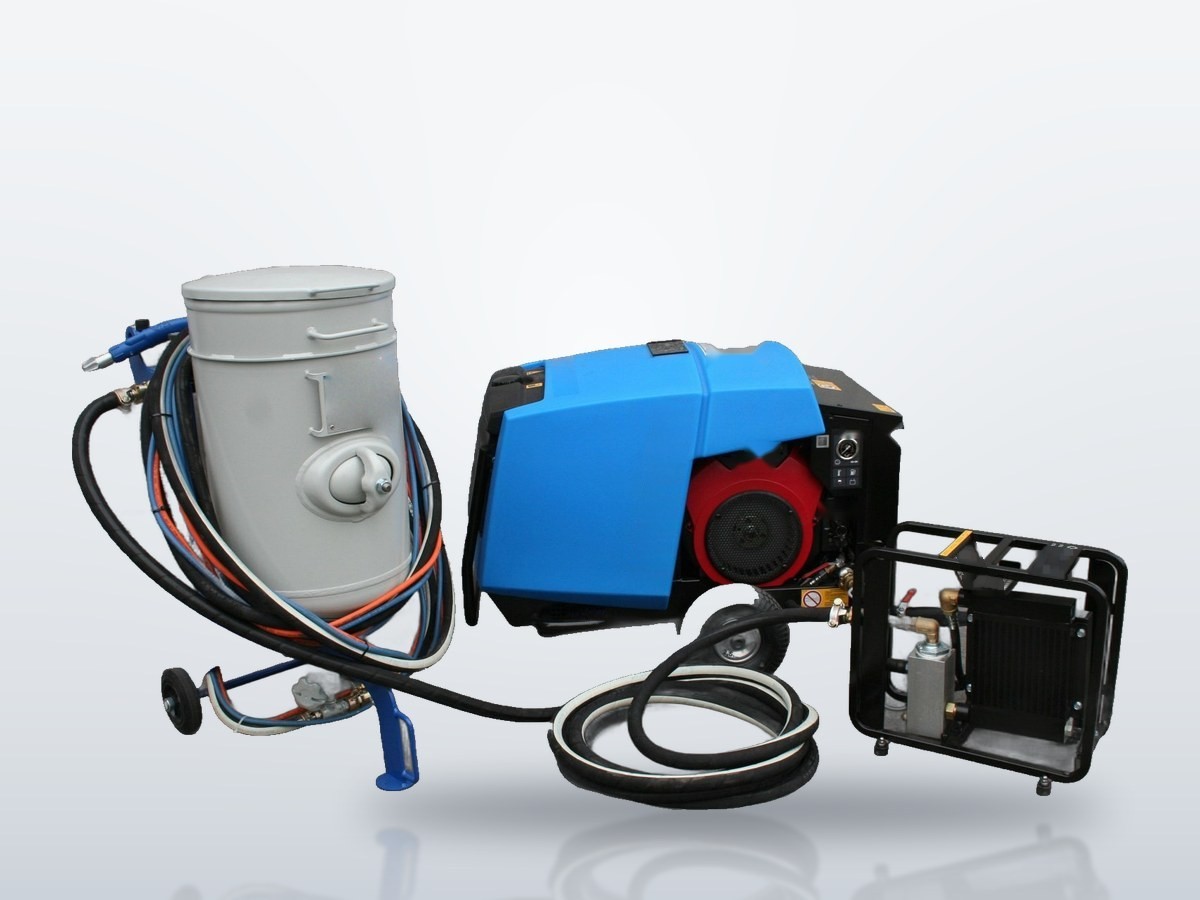
MCS² air-gumming system
Mobile blasting and stripping system with a 55 litre pressure vessel, an 8 metre blasting hose and its own compressor. Fits in a small van.
View the MCS²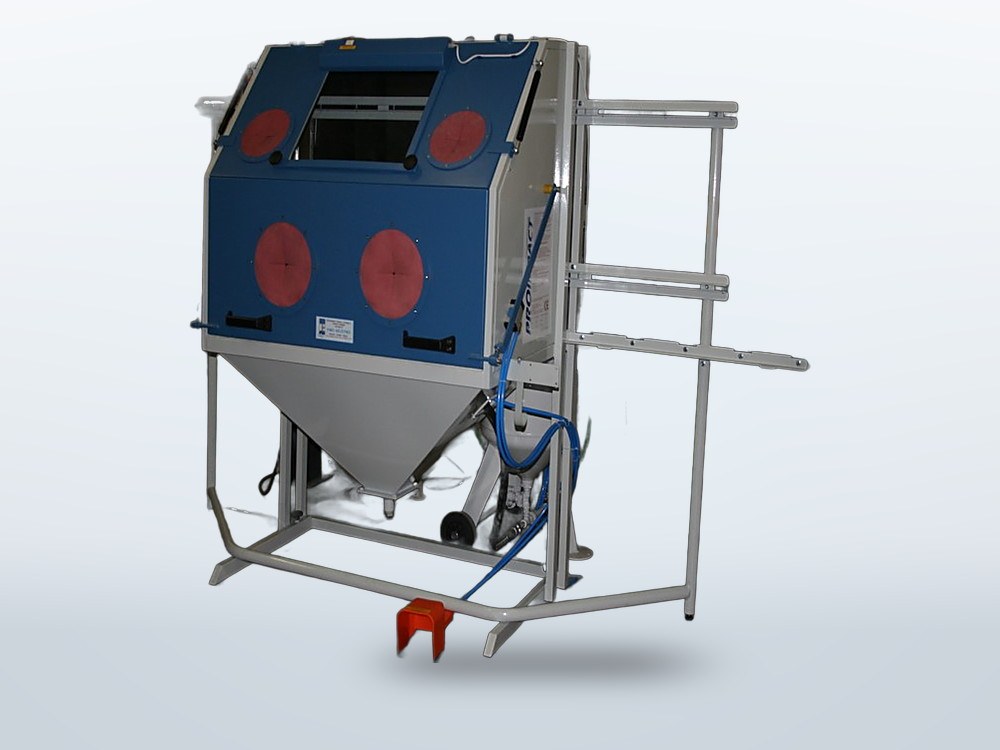
Blast cabinets
The operator blasts through gloves, the abrasive returns into circulation through a recovery unit. Eleven sizes in two lines, PRO-impact and ONE-impact.
View the blast cabinets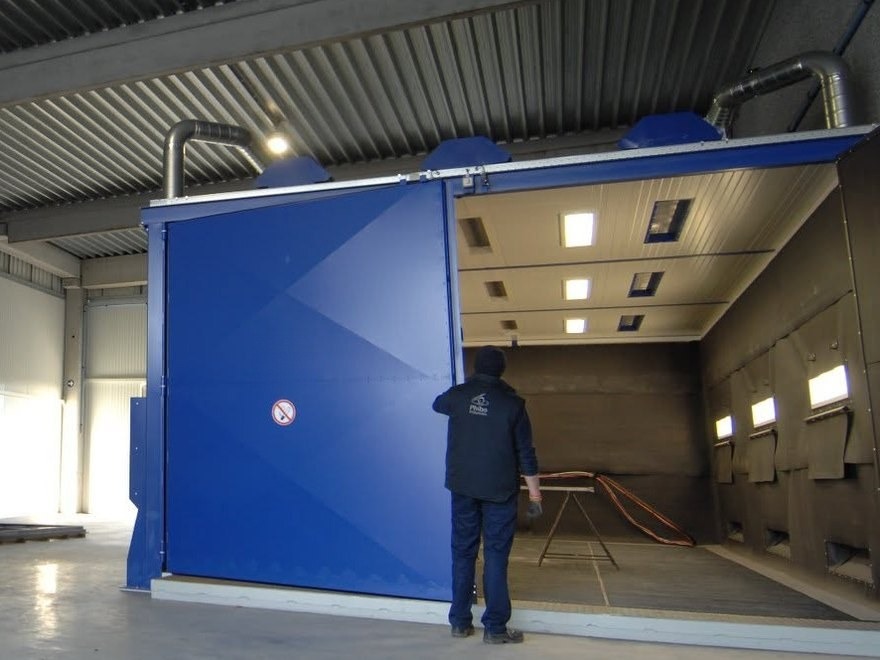
Blast rooms
For parts too large for a blast cabinet. The operator walks into the blasting space.
View the blast roomsFrequently asked questions
Questions about blasting railings
How do you remove rust from wrought iron railings on site?
With the mobile MCS² and a hard, sharp abrasive such as MTC Metalcleaner. The MCS² fits in a small van with its compressor. The railing stays in place, and you cover whatever has to stay clean.
Is air-gumming or sandblasting better for railings?
Air-gumming. The MCS² needs less compressed air and less abrasive than conventional sandblasting, and the railing stays in place. More in Air-gumming versus sandblasting.
Is sandblasting still allowed?
Dry blasting with sand, or with abrasive containing more than 1% free crystalline silica, is banned in Belgium (Belgian Code on Well-being at Work). Phibo's abrasives contain no free crystalline silica.
Which abrasive gives the right profile for repainting?
MTC Metalcleaner: hard, sharp grains for rust removal and roughening of metal, so that paint or another after-treatment adheres better. Phibo supplies it in 4 grain sizes, from 0.1 to 2.2 mm. We help you choose the right grain.
Can railings be blasted without dismantling them?
Yes, with the MCS² you blast them where they stand. Dismantled parts can also go into a blast cabinet or a blast room.
Consumables
Get MTC Metalcleaner from Phibo
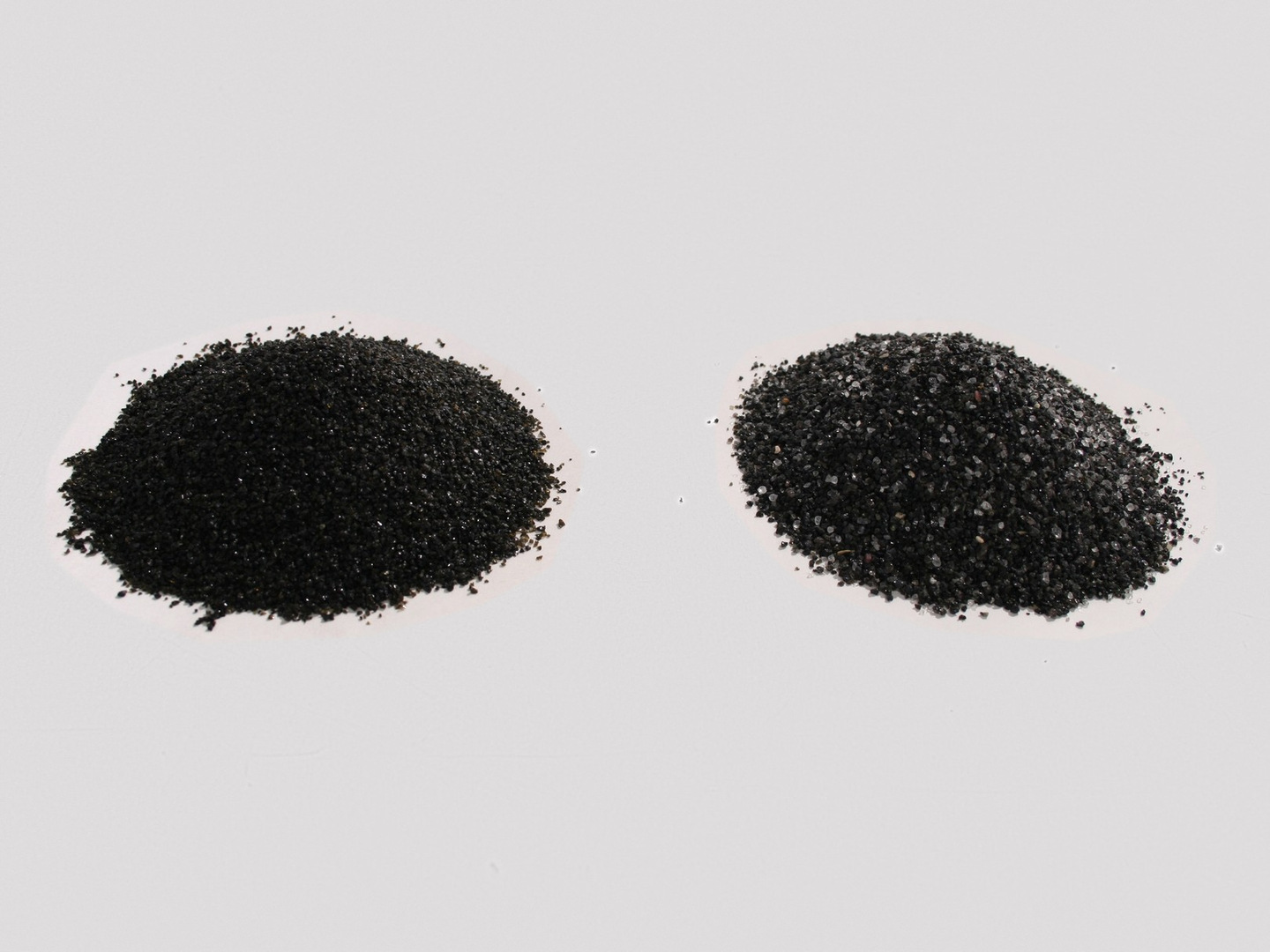
MTC Metalcleaner consists of hard, sharp grains. They derust and roughen the metal, so paint or another finish adheres well afterwards. Phibo supplies it in 4 grain sizes, from 0.1 to 2.2 mm, per 33.33 kg bag or per 1,500 kg pallet.
Your installation keeps running
Maintenance, repair and spare parts, directly from Phibo, by our own technicians.
Maintenance
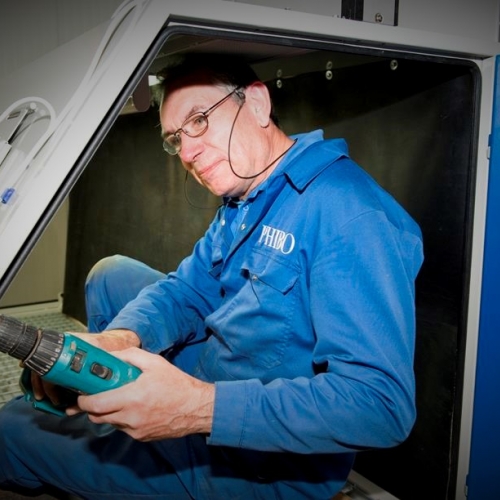
Preventive maintenance in our workshop or at your site. After every service your settings and consumption are reviewed.
More about this service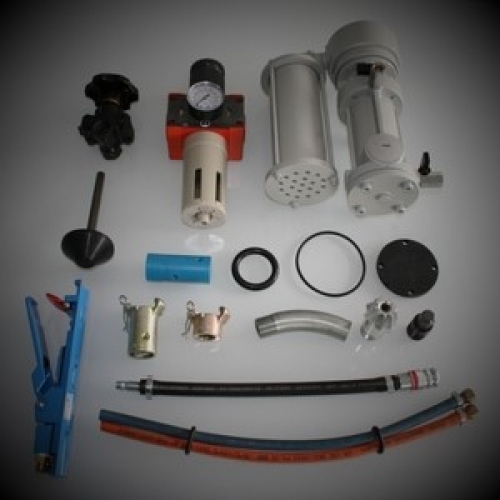
Spare parts
Blast pots, hoses, guns, rubber flaps and filter cartridges from stock. Non-standard parts we make ourselves.
More about this service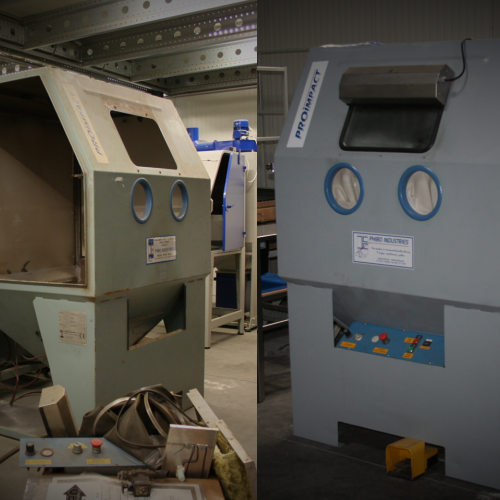
Revision and retrofitting
Modernise an existing installation or convert it to a new process. Revised second-hand installations too.
More about this service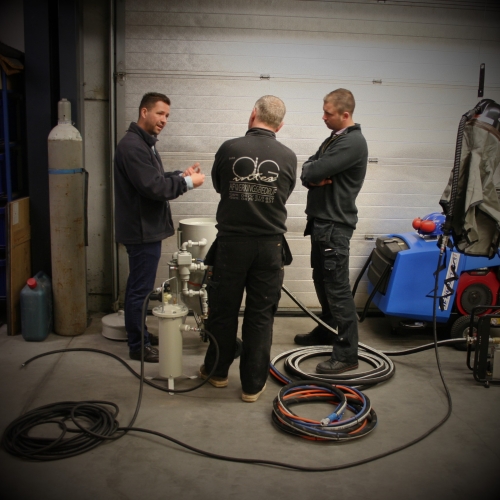
Training
Hands-on training at commissioning, standard with SublimotionProcess® and on request with the other installations. When staff change, we repeat it to suit your team.
More about this serviceRequest
We call you and go through your application
Fill in what you know below, and we go through the rest together on the phone.
- What you blast: railings, gates, balustrades or handrails
- How much ironwork you blast per month
- Whether you work on site or in your workshop
- A photo of the railing, via WhatsApp if you like