
Air-gumming
Air-gumming versus sandblasting: the differences
Air-gumming is a cost-effective alternative to chemical pickling, manual sanding and brushing, and conventional sandblasting. Air-gumming works at low pressure with a fine grain and more air than medium, sandblasting with a higher pressure and more medium.
- Working pressure usually 2.5 to 4 bar
- More air than blasting medium
- Up to 10 m² per hour with the MCS²
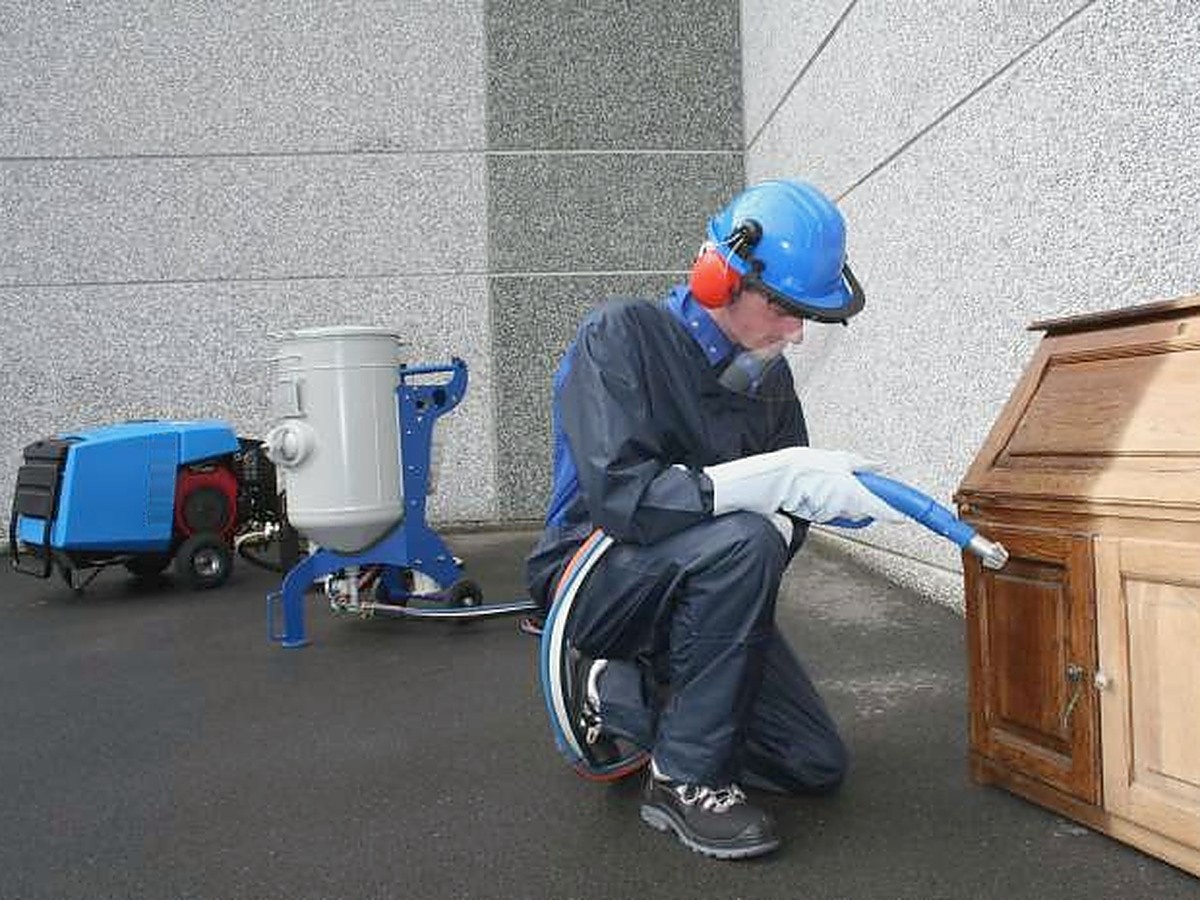
What is air-gumming?
Air-gumming is low-pressure blasting, usually between 2.5 and 4 bar, with a fine and homogeneous medium that projects more air than grain in a vortex. It removes paint, graffiti and deposits with minimal damage to the substrate.
And sandblasting?
Conventional sandblasting needs a higher pressure, more compressed air and more blasting medium. That makes air-gumming a cost-effective alternative, also where the surface should suffer as little as possible.
Air-gumming and sandblasting side by side
The differences between air-gumming with the MCS² and conventional sandblasting.
| Air-gumming with the MCS² | Conventional sandblasting | |
|---|---|---|
| Working pressure | usually 2.5 to 4 bar | higher |
| Compressed air consumption | limited | considerably higher |
| Abrasive consumption | much lower, with fine and homogeneous micro-grains | higher |
Swipe the table to the left to see all columns.
Source: the technical sheet of the MCS².
Three differences
Minimal abrasive consumption
The specific micro-grains are used optimally and spread evenly over the surface.
Limited compressed air consumption and low pressure
Air-gumming needs considerably less compressed air and pressure than traditional sandblasting.
More compressed air than abrasive
The Aerosonic nozzle draws in ambient air at the outlet and produces a swirling jet with a Vortex effect.
The nozzle and the options
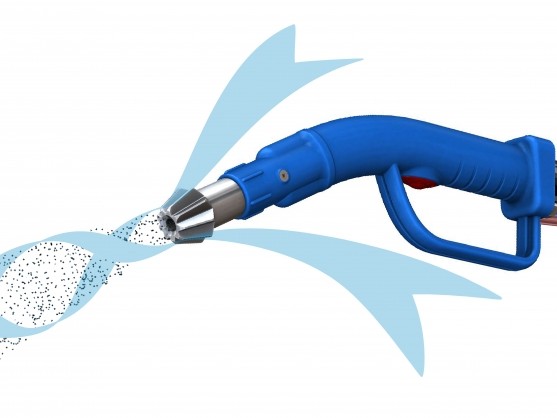
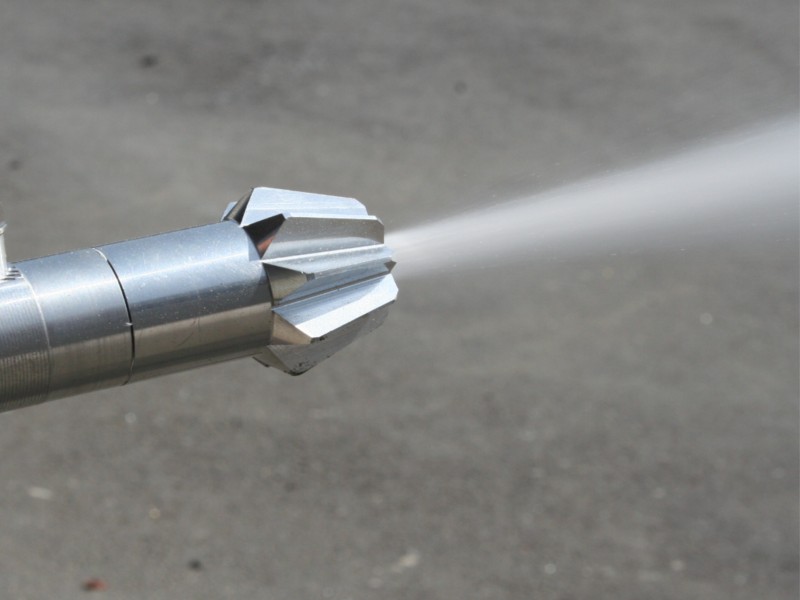
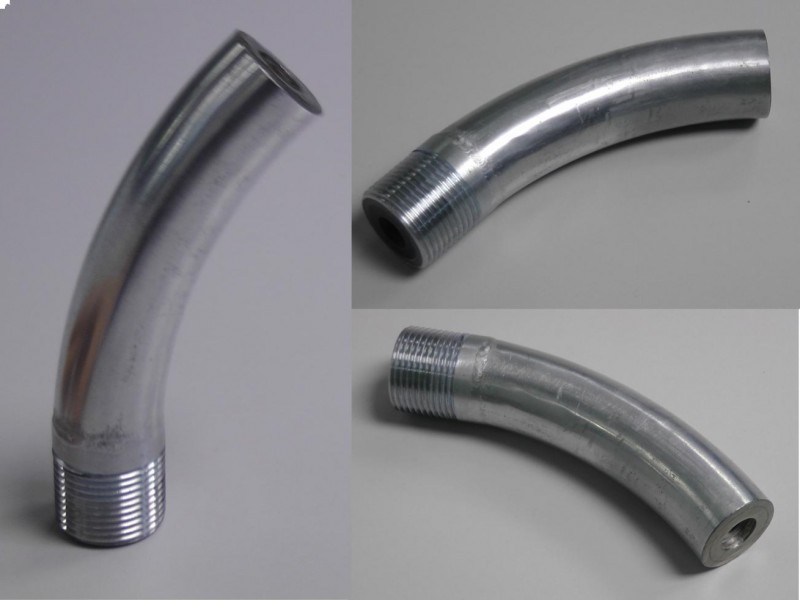
Blasting media for air-gumming
In air-gumming the grain determines the result. We supply these media from our own stock.
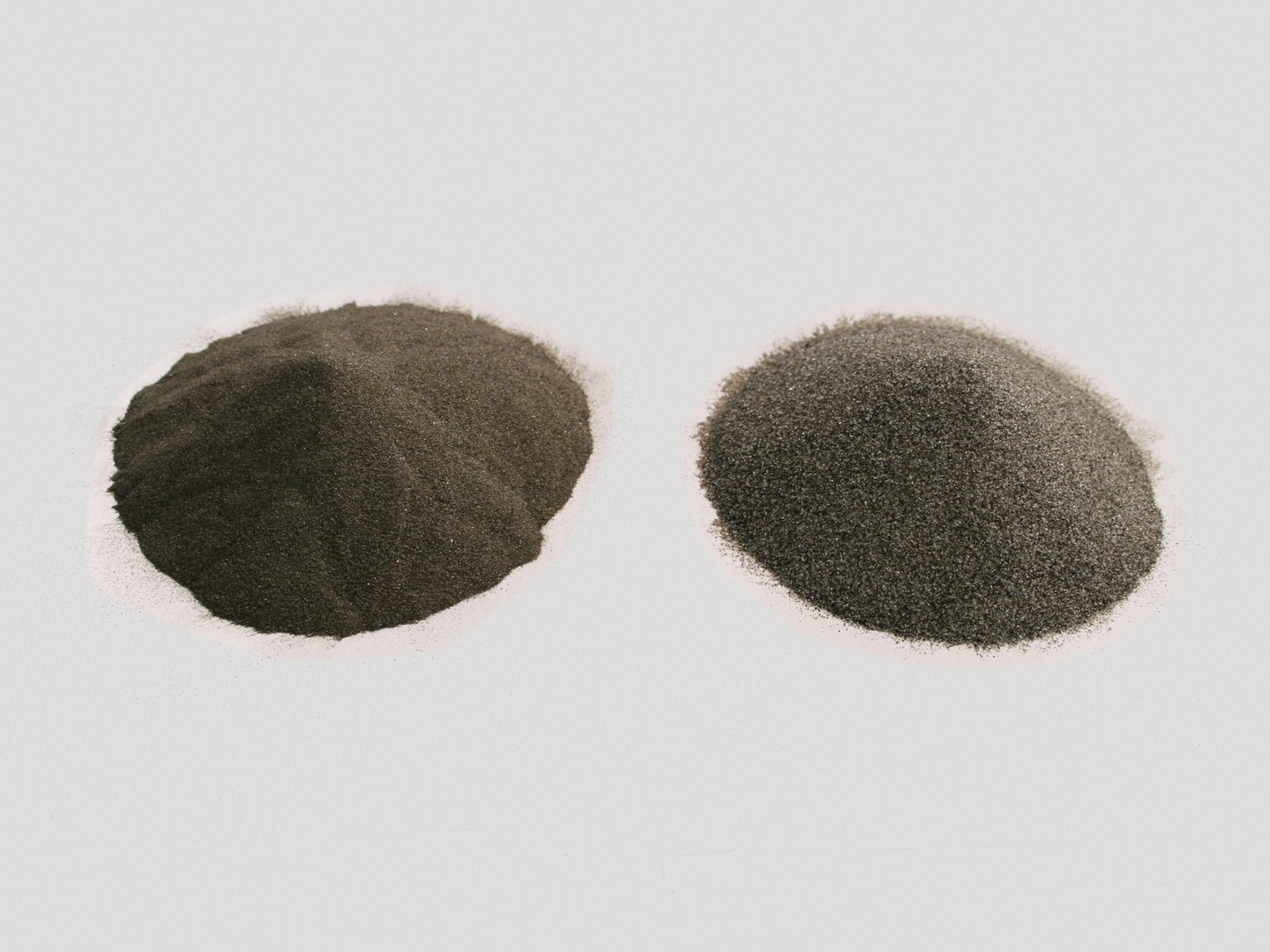
Gommalite®
Mixture composed by Phibo, for delicate air-gumming of wood and natural stone.
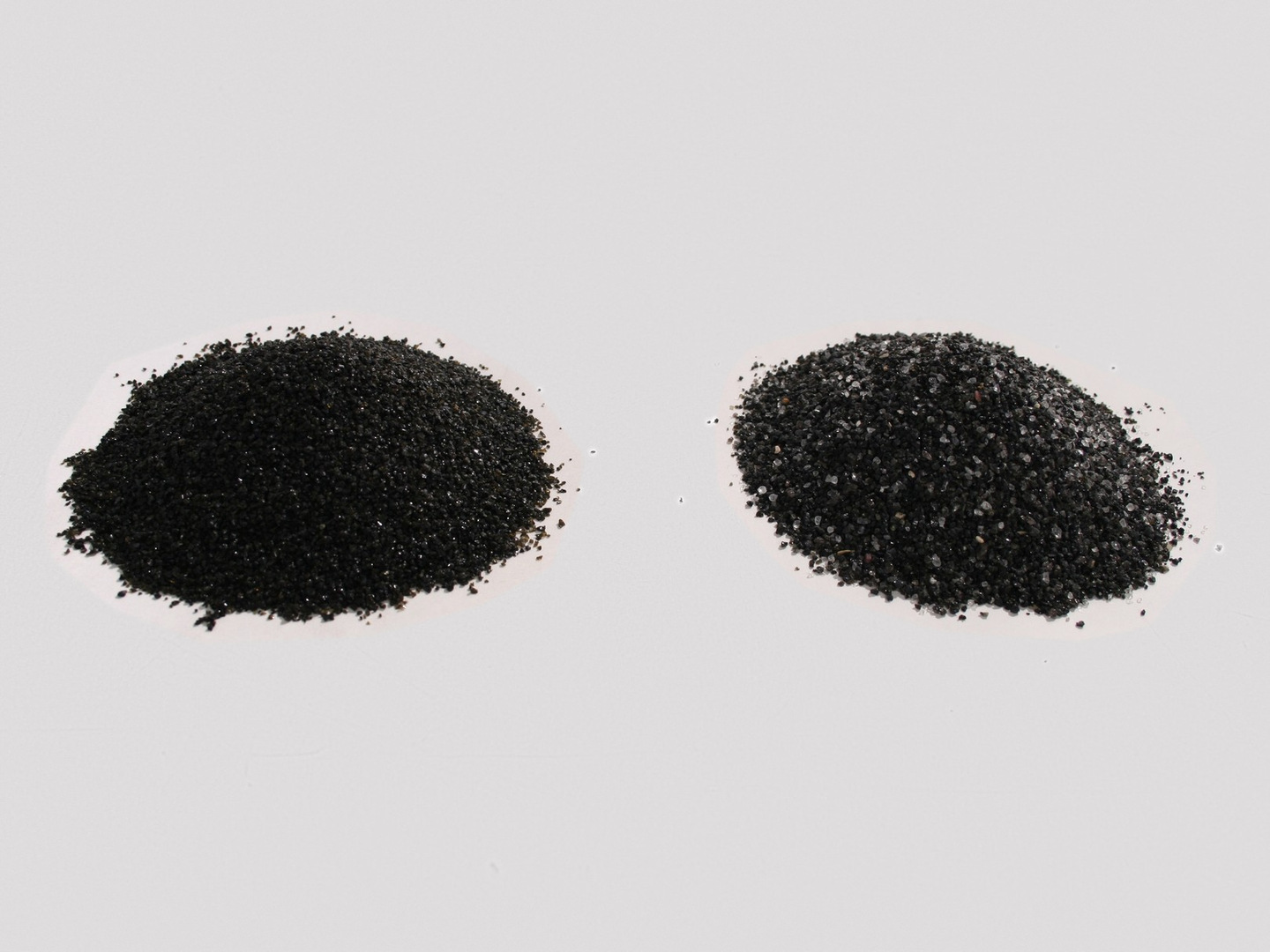
MTC Metalcleaner
Hard, sharp grains for stripping, derusting and roughening metal surfaces.
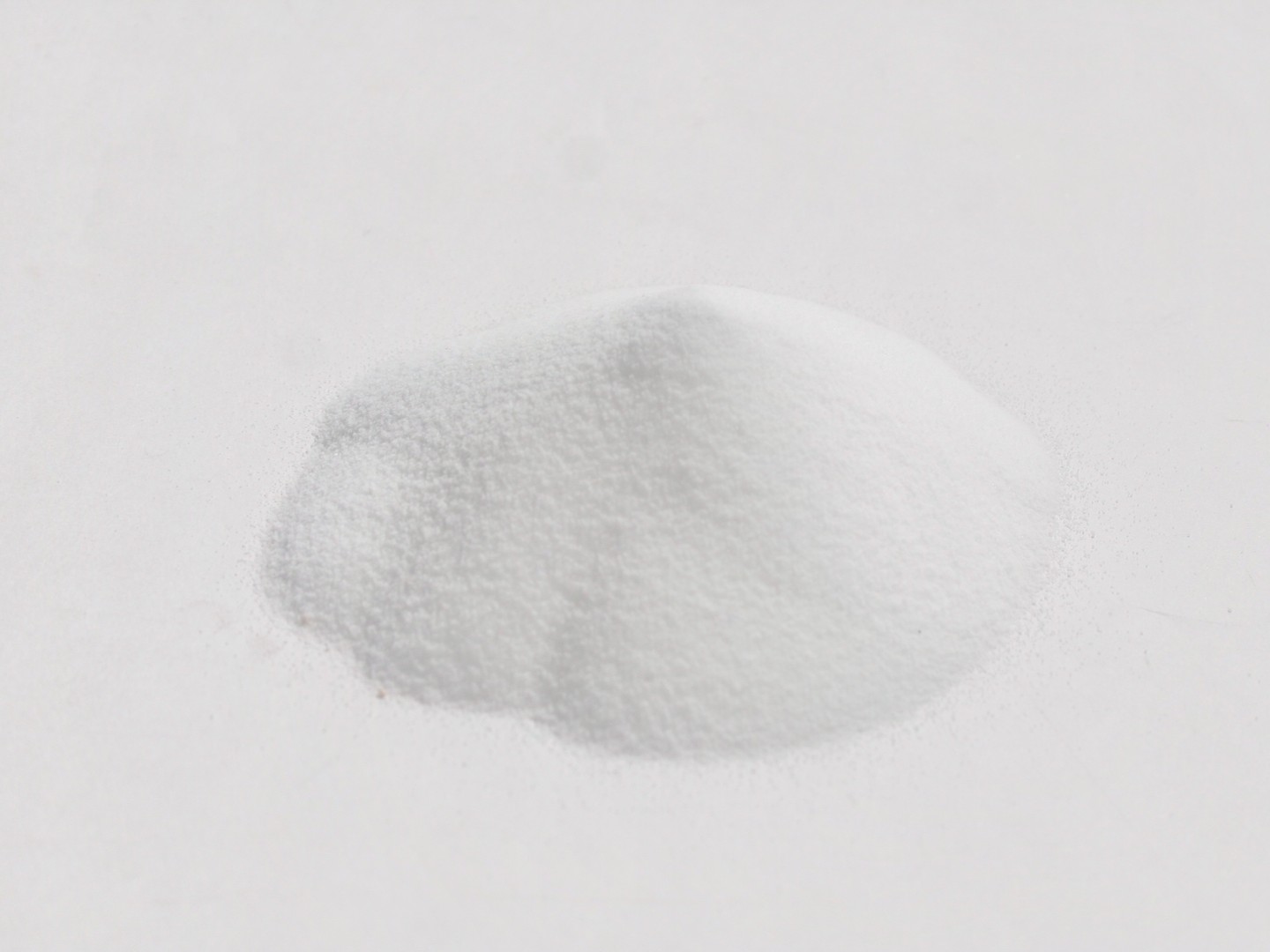
Soda Softcleaner
Soft medium for controlled, selective cleaning without residual abrasive.
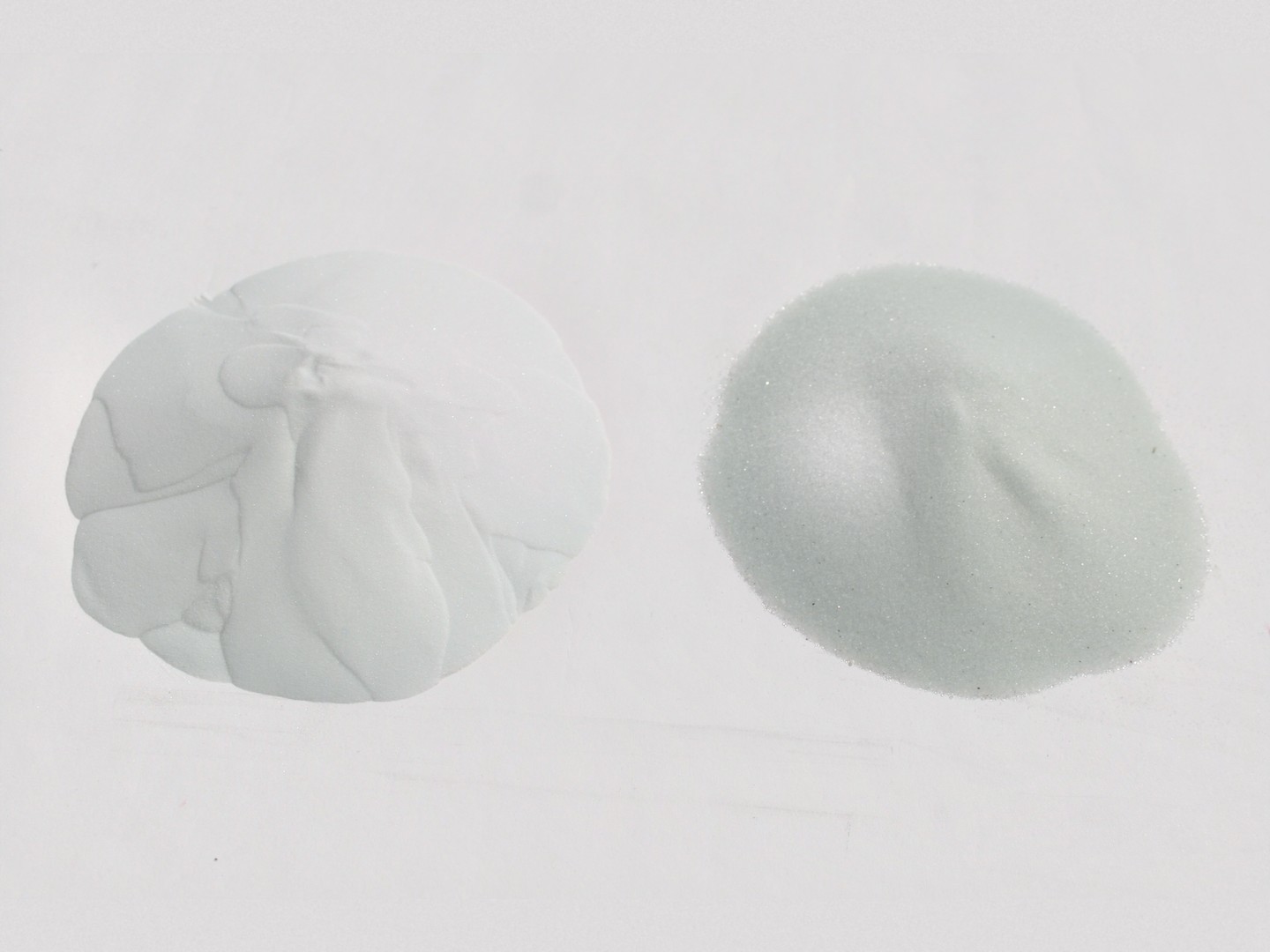
Glass beads
Round, iron-free and recyclable many times. Cleans without affecting the material.
Frequently asked questions
What is the difference between air-gumming and sandblasting?
Air-gumming usually works between 2.5 and 4 bar, with limited compressed air consumption and a fine grain that uses much less abrasive. Conventional sandblasting needs a higher pressure, more compressed air and more abrasive.
What pressure do you need for air-gumming?
Usually between 2.5 and 4 bar, depending on the application. Test the setting first on a spot that is not visible.
On which substrates can I air-gum?
On wood, natural stone and monuments, glass, concrete and metal, and to remove graffiti and paint layers.
Does air-gumming create a lot of dust?
With the water option the MCS² works without dust. If no dust may escape, the MVS² in a closed circuit is also an option, or an air-gumming hall with extraction.
Your installation keeps running
Maintenance, repair and spare parts, directly from Phibo, by our own technicians.
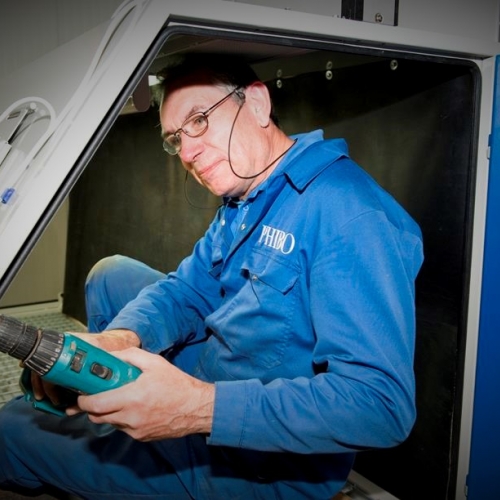
Maintenance
Preventive maintenance in our workshop or at your site. After every service your settings and consumption are reviewed.
More about this service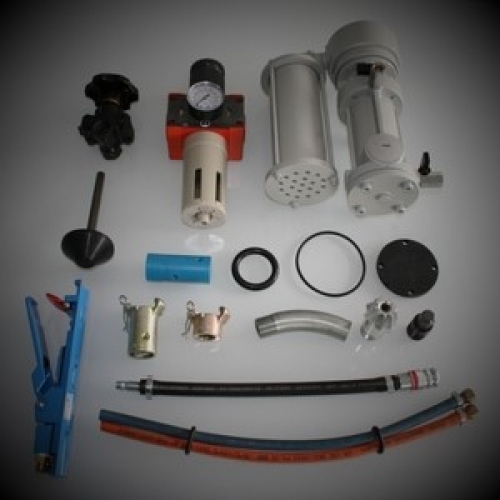
Spare parts
Blast pots, hoses, guns, rubber flaps and filter cartridges from stock. Non-standard parts we make ourselves.
More about this service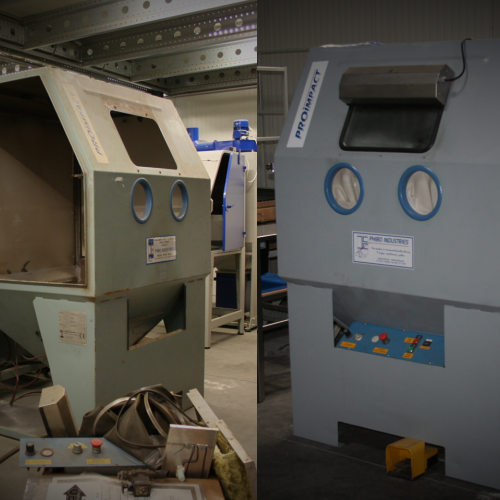
Revision and retrofitting
Modernise an existing installation or convert it to a new process. Revised second-hand installations too.
More about this service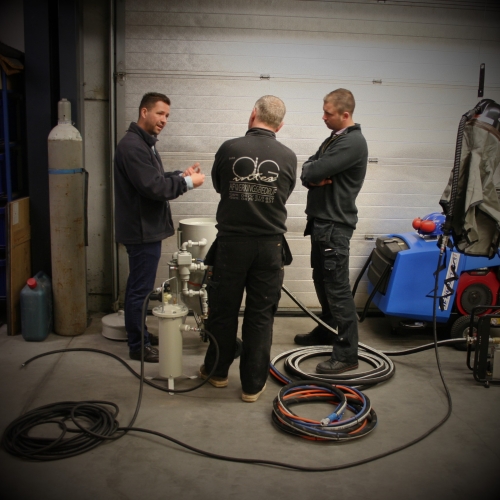
Training
Hands-on training at commissioning, standard with SublimotionProcess® and on request with the other installations. When staff change, we repeat it to suit your team.
More about this serviceWe call you and go through your application
Tell us which substrate you treat and what has to come off. A proposal with the right installation and blasting medium follows after that. Fill in the form below.
- What you want to treat: wood, natural stone, metal or glass
- What has to come off: paint, graffiti or deposits
- How large the surface is and where it is