Applications
Industrial surface treatment for your industry
Abrasive blasting, cleaning and degreasing in industries from aerospace and automotive to chemicals, steel and offshore. We supply the equipment, from blast cabinet to blast room.
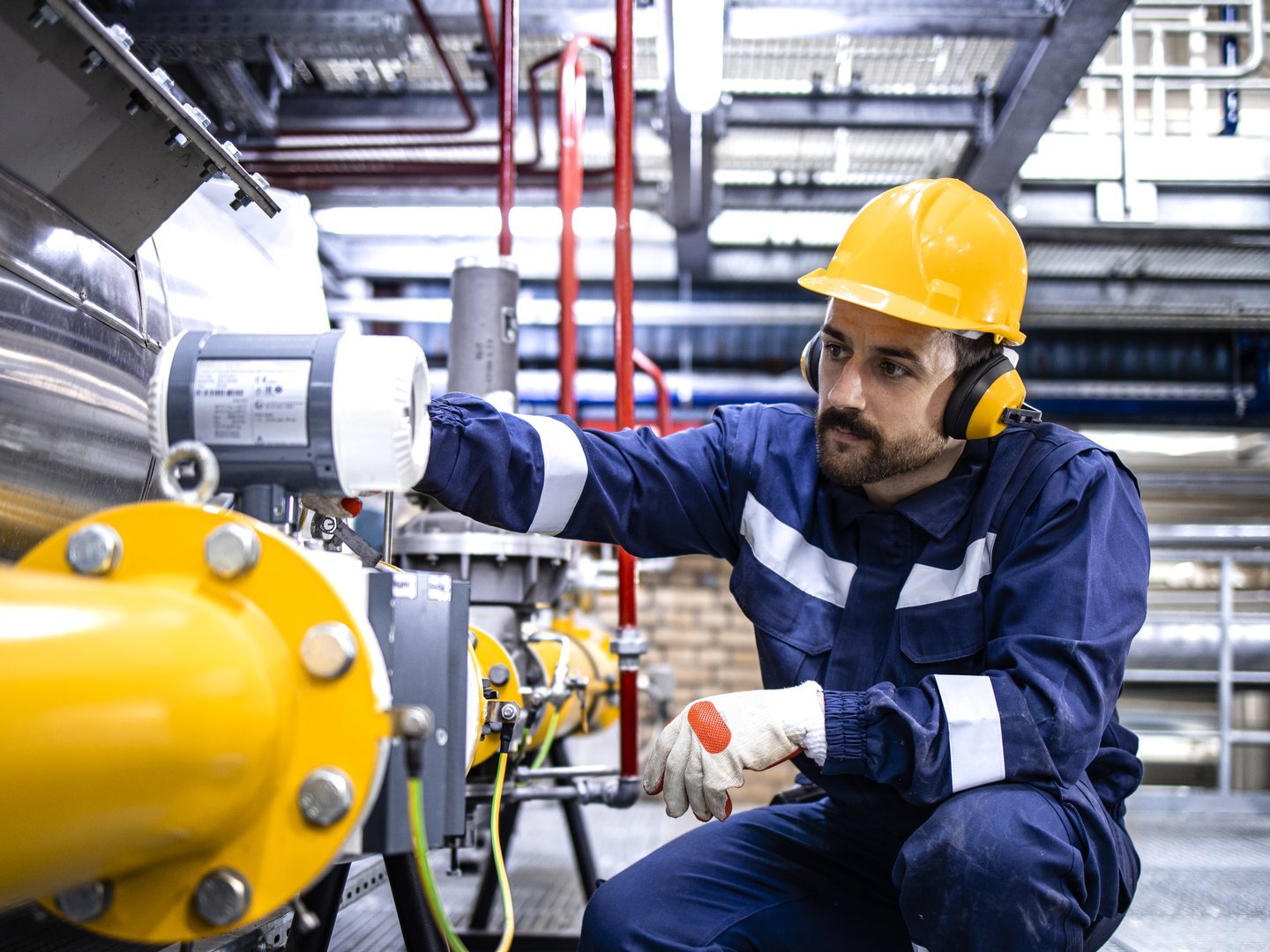
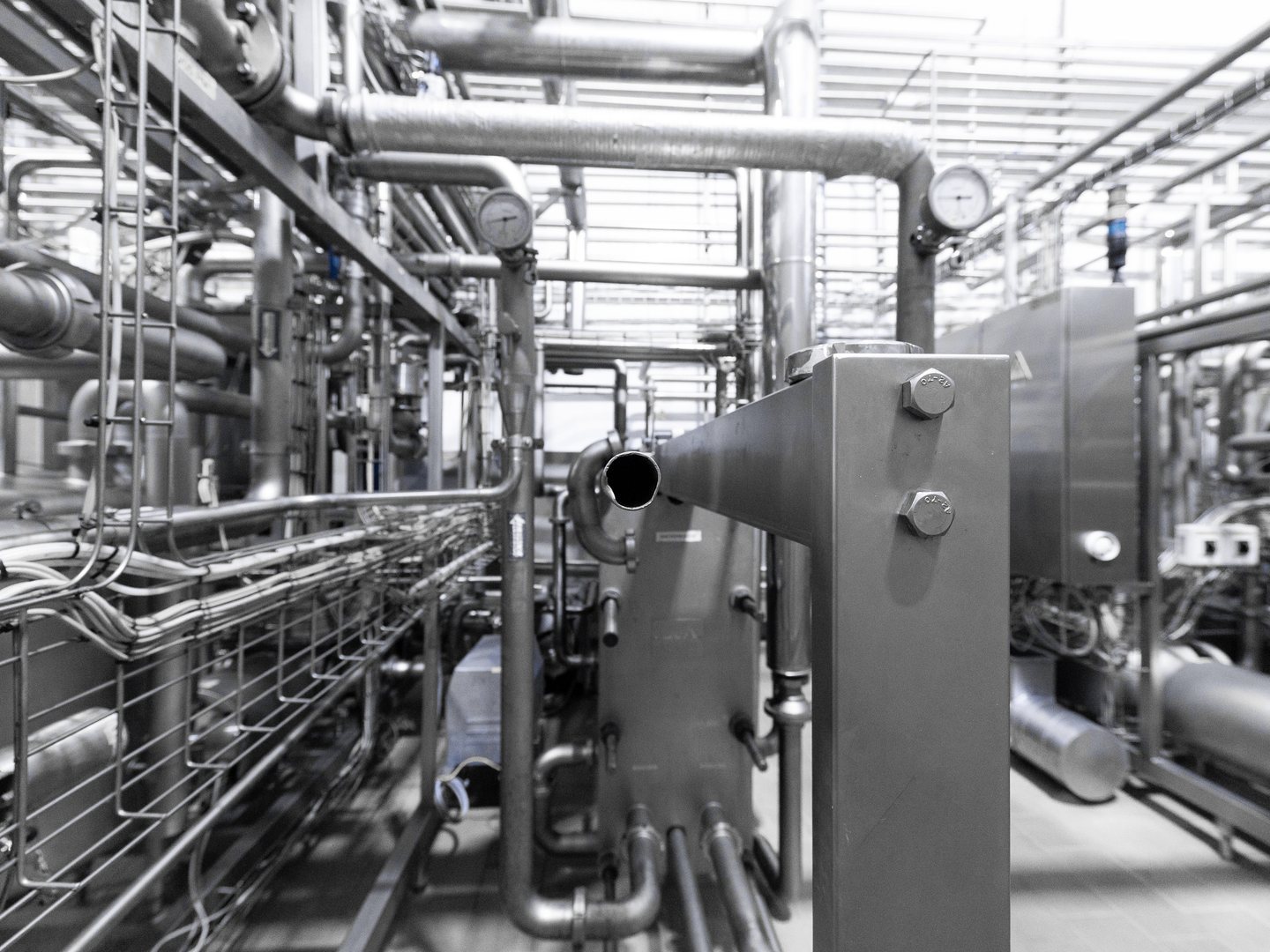
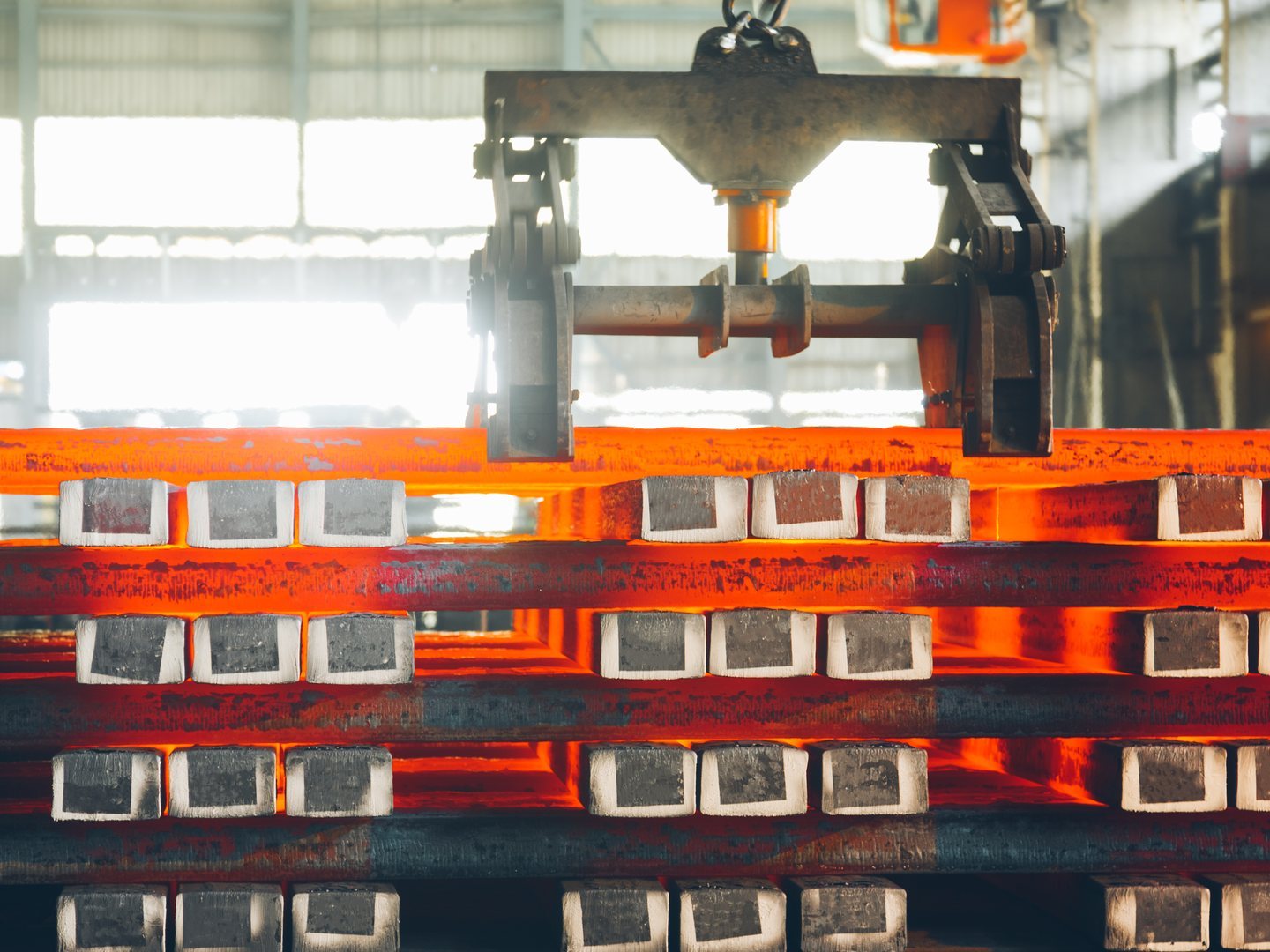
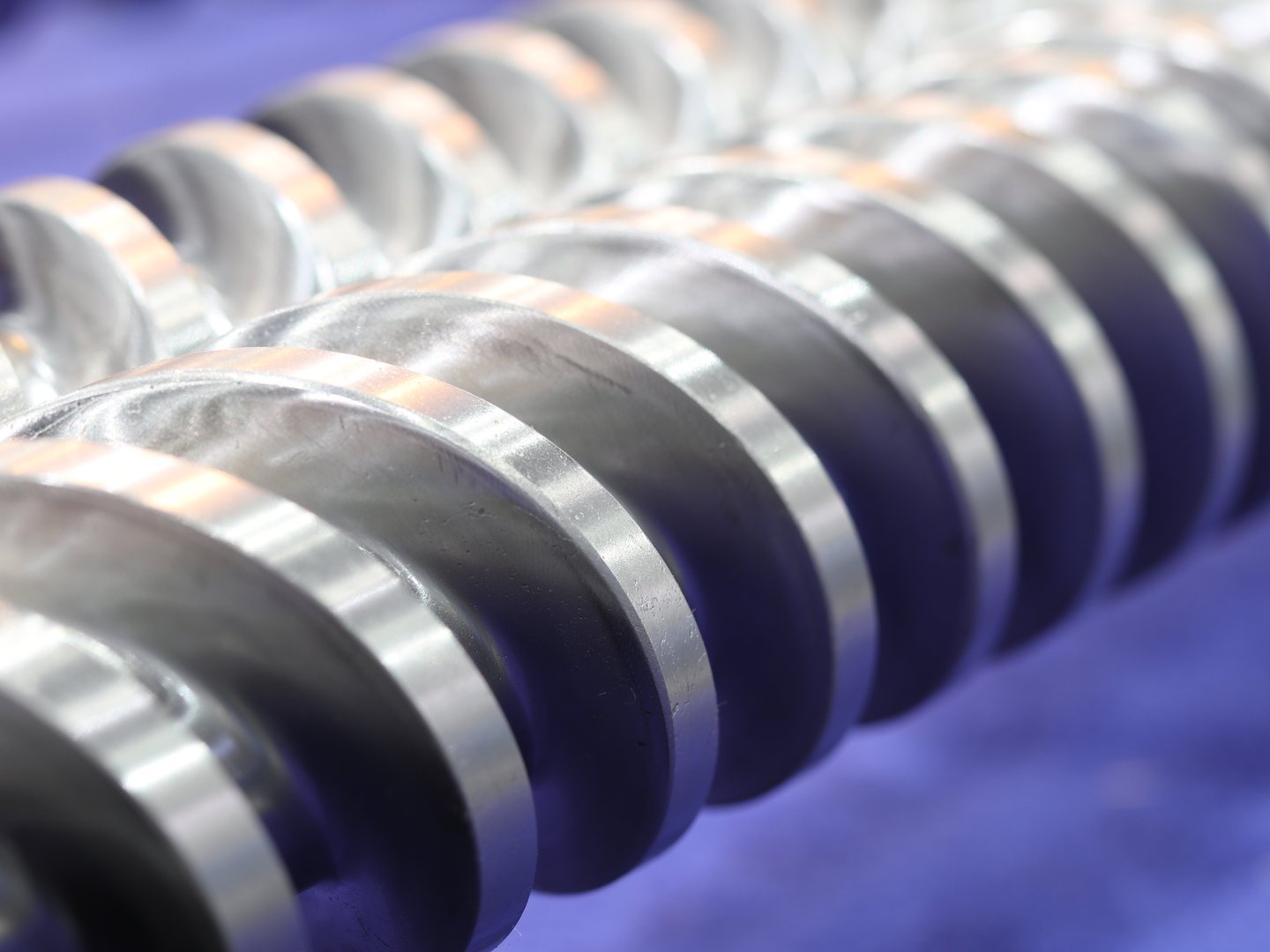
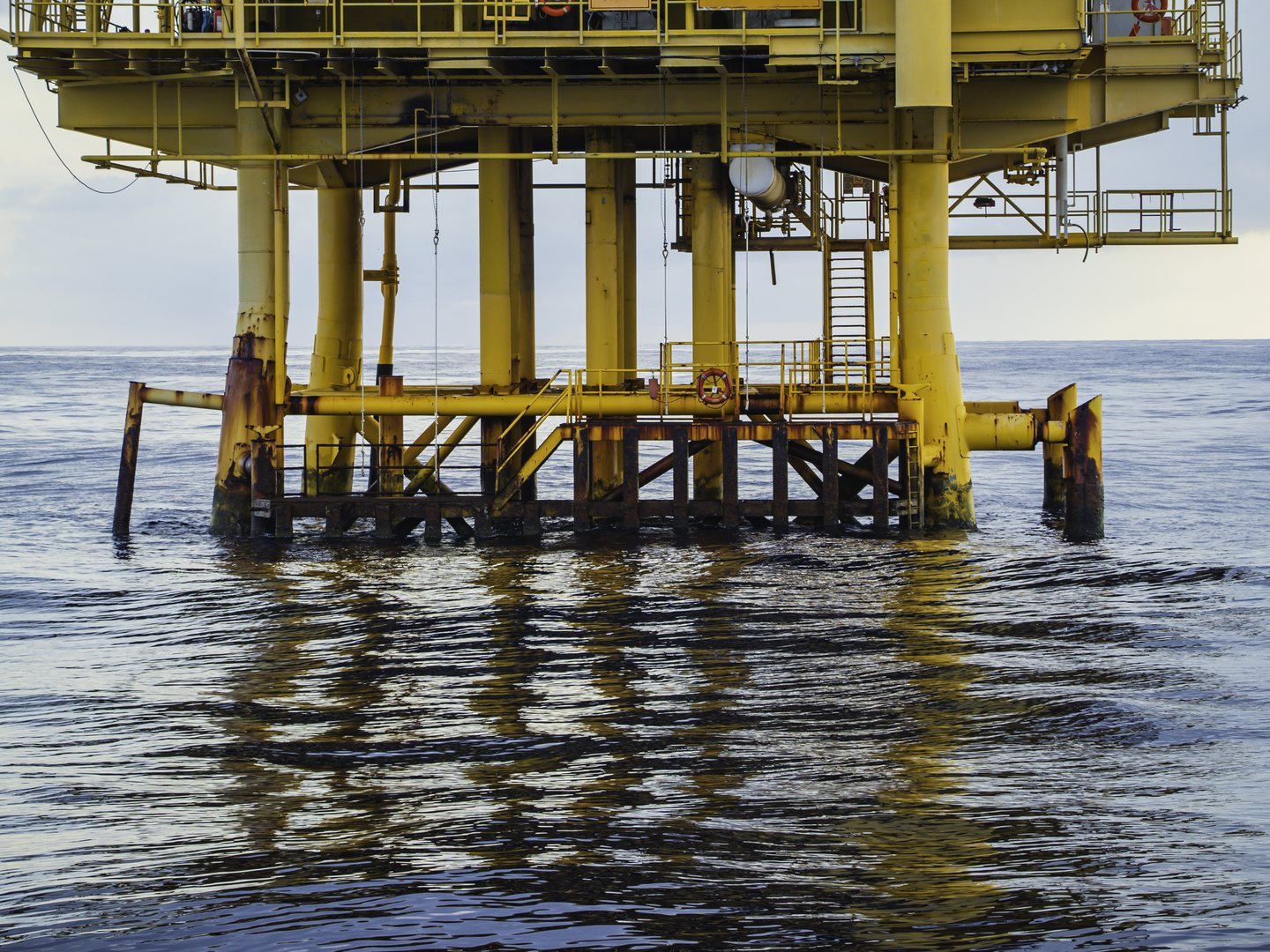
Applications by industry

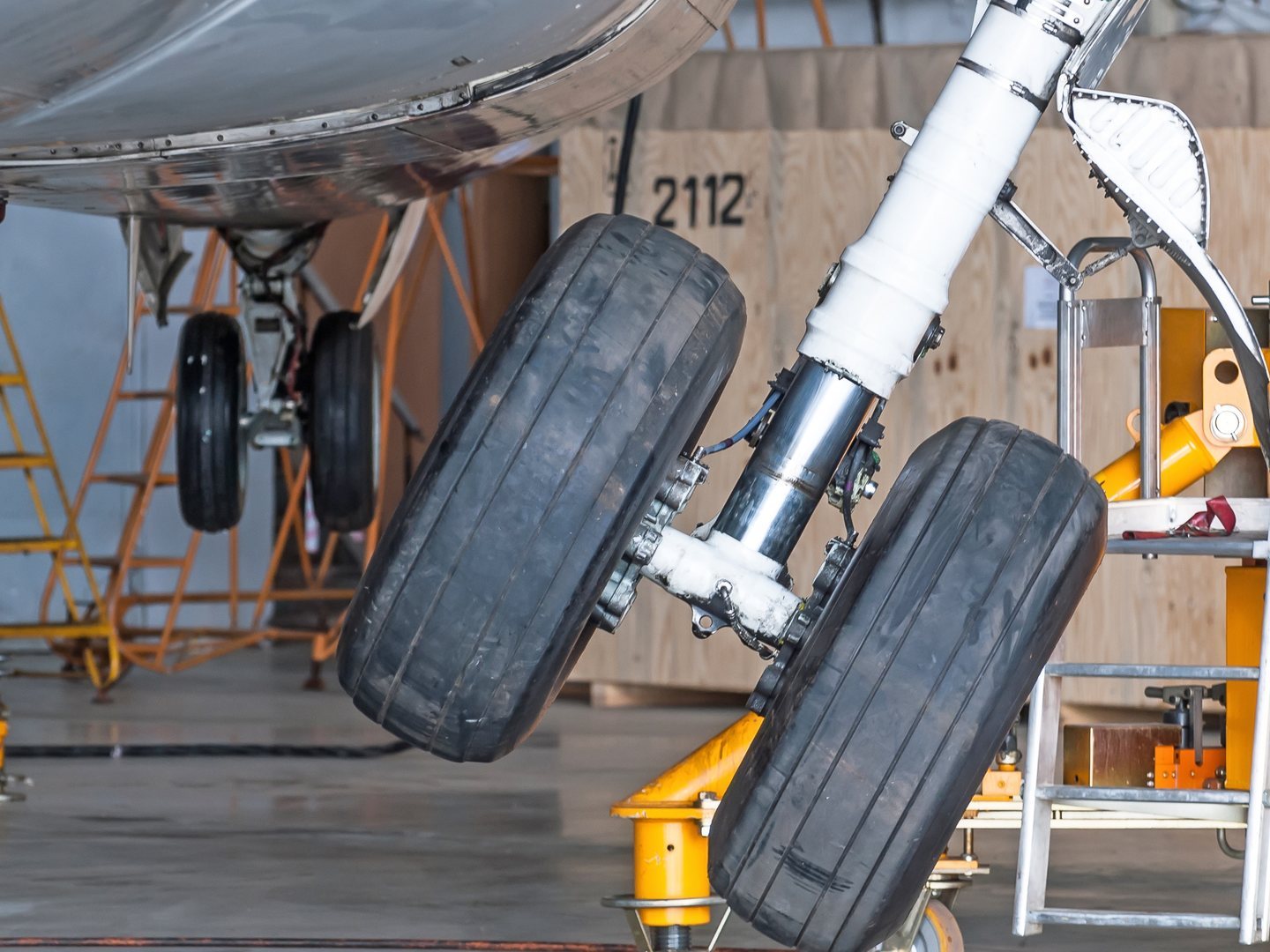
Aerospace and defence
Paint stripping of aircraft wheels, wet blasting turbine parts and degreasing landing gear.
View the applications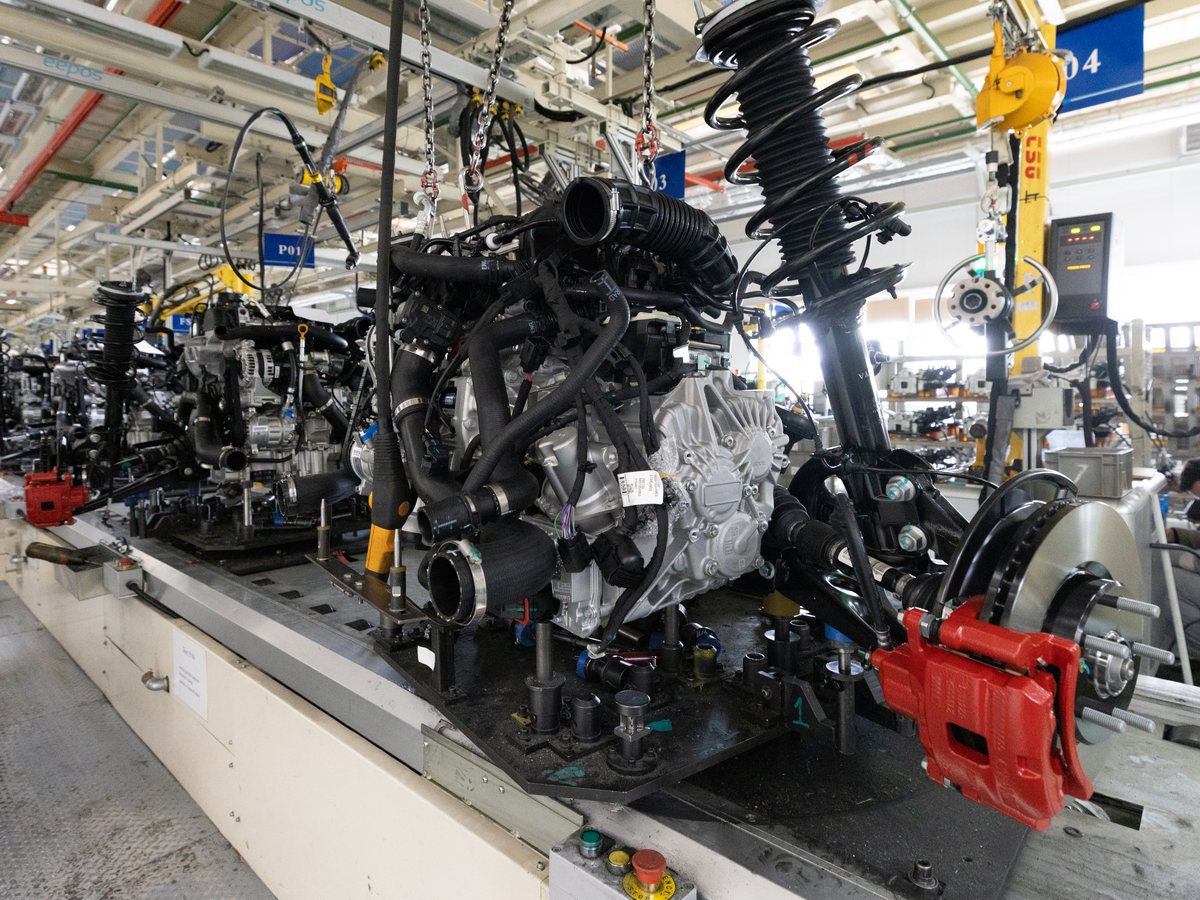
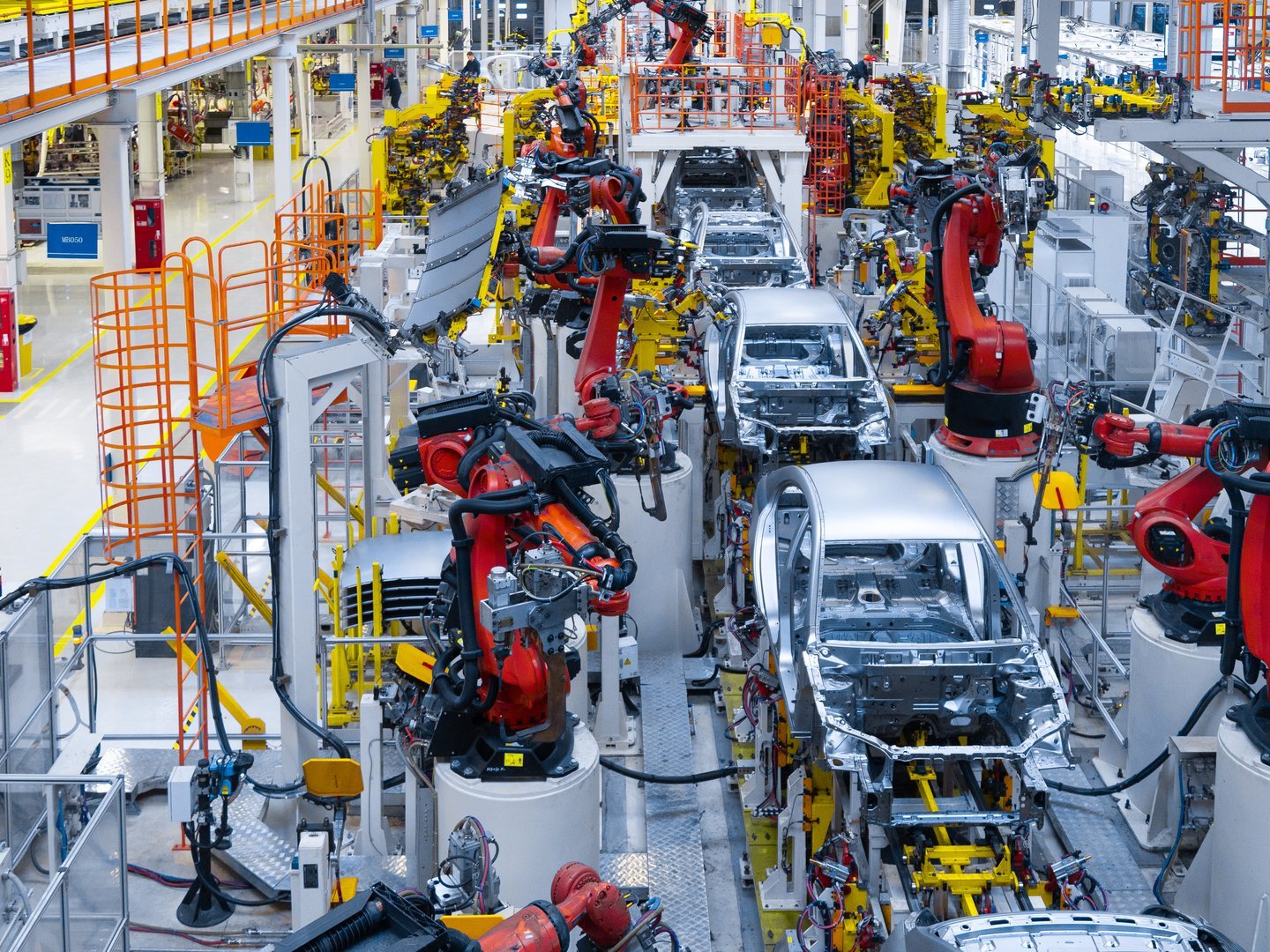
Automotive and transport
Cleaning engine blocks and cylinder heads, wet blasting carbon deposits and automated blasting of series.
View the applications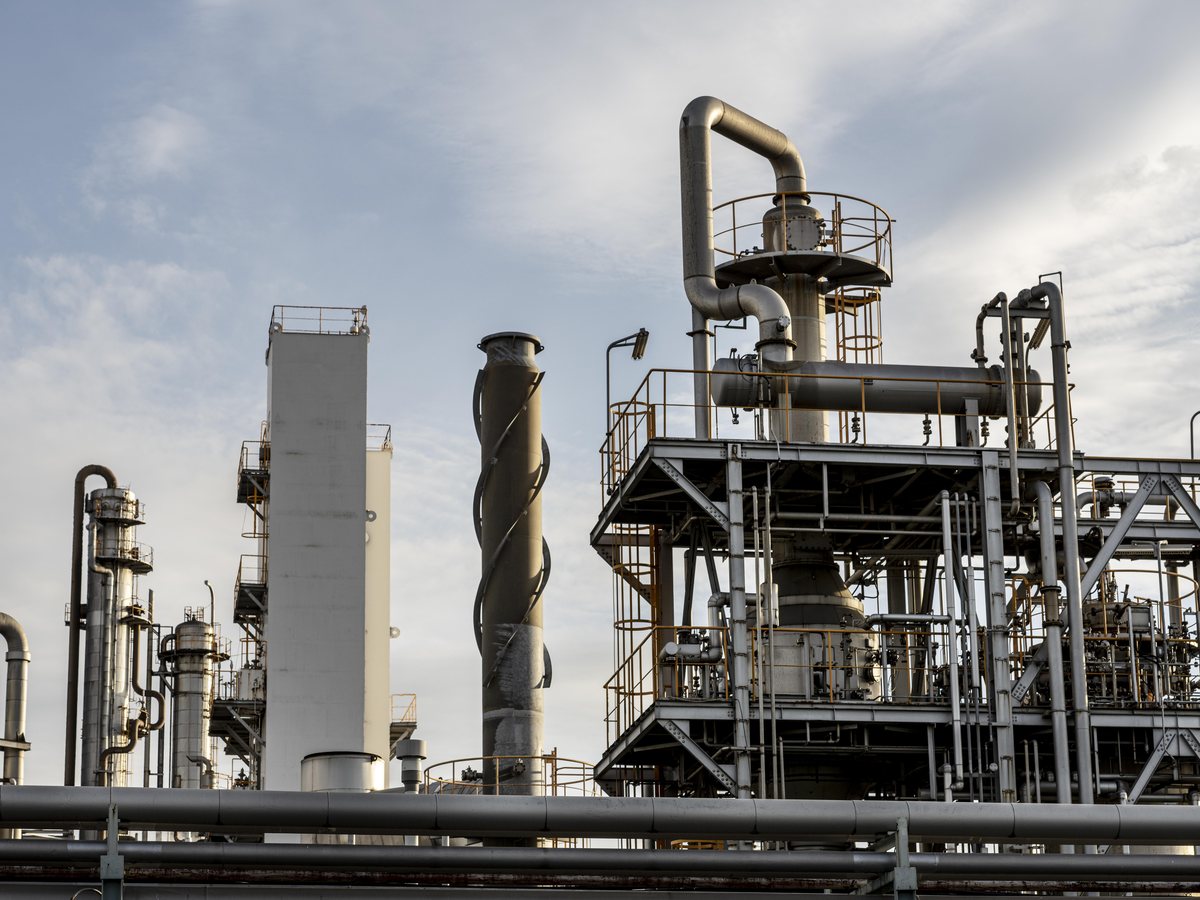
Chemicals and petrochemicals
Overhauling pumps and valves, derusting piping and fittings.
View the applications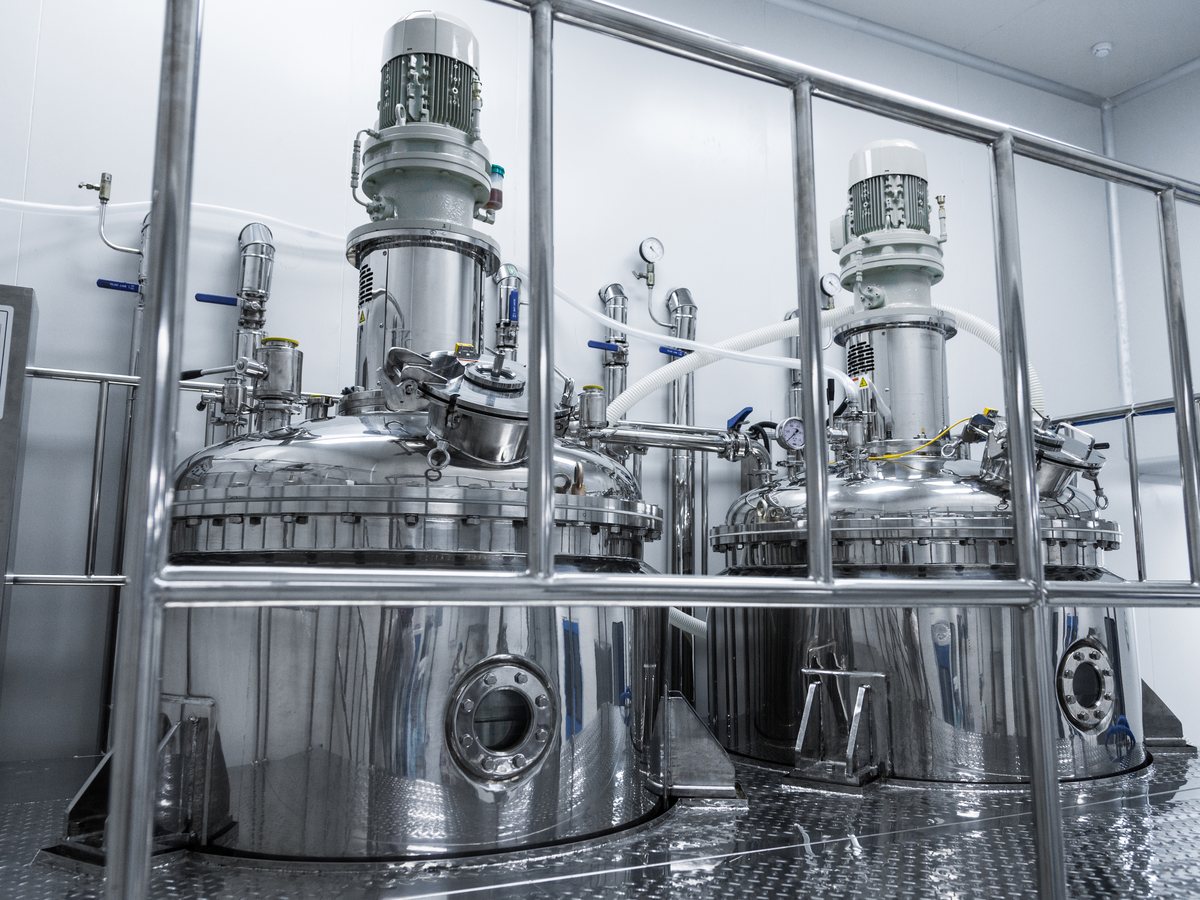
Food, pharma and medical
Removing weld discoloration from stainless steel without acids, washing crates and stainless parts.
View the applications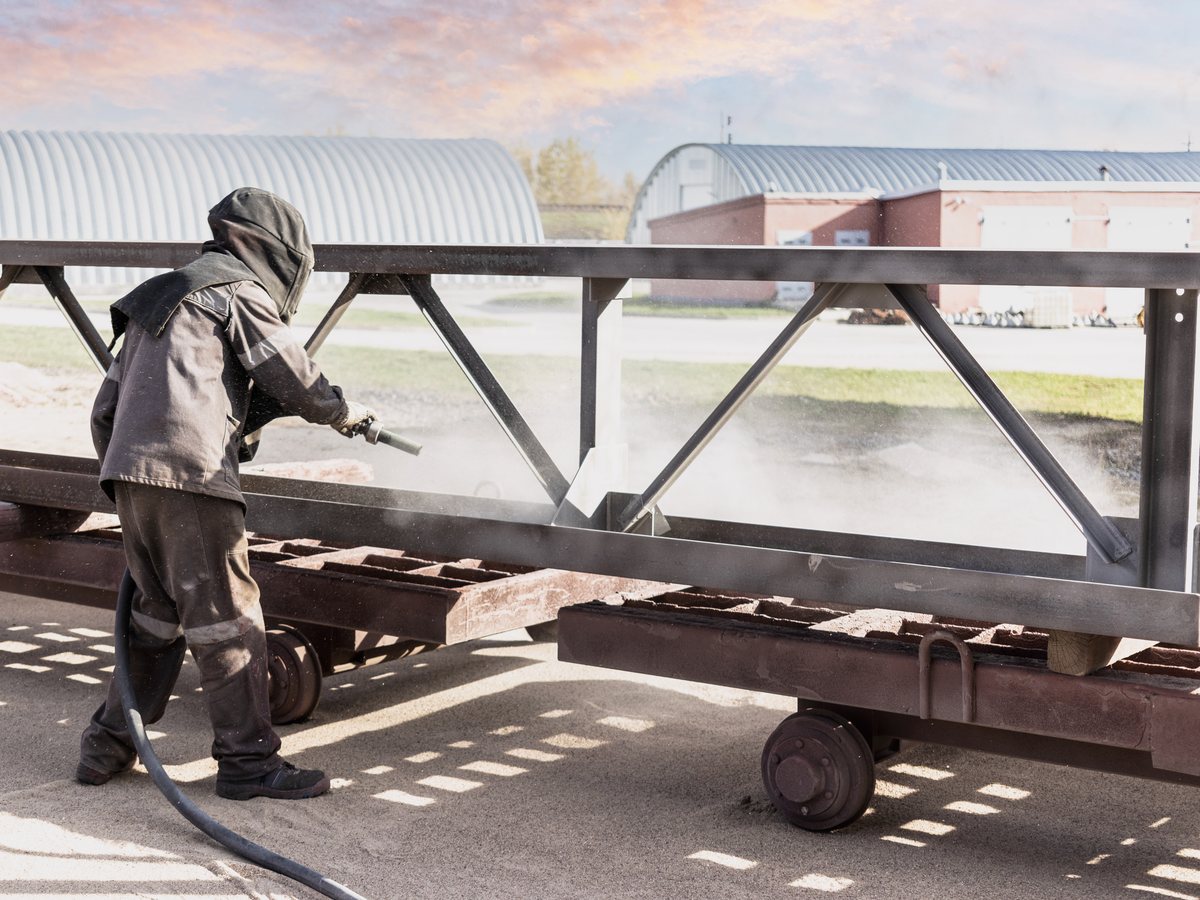
Metals and steel
Blasting off mill scale and rust, treating wire and cable in-line, blacking steel.
View the applications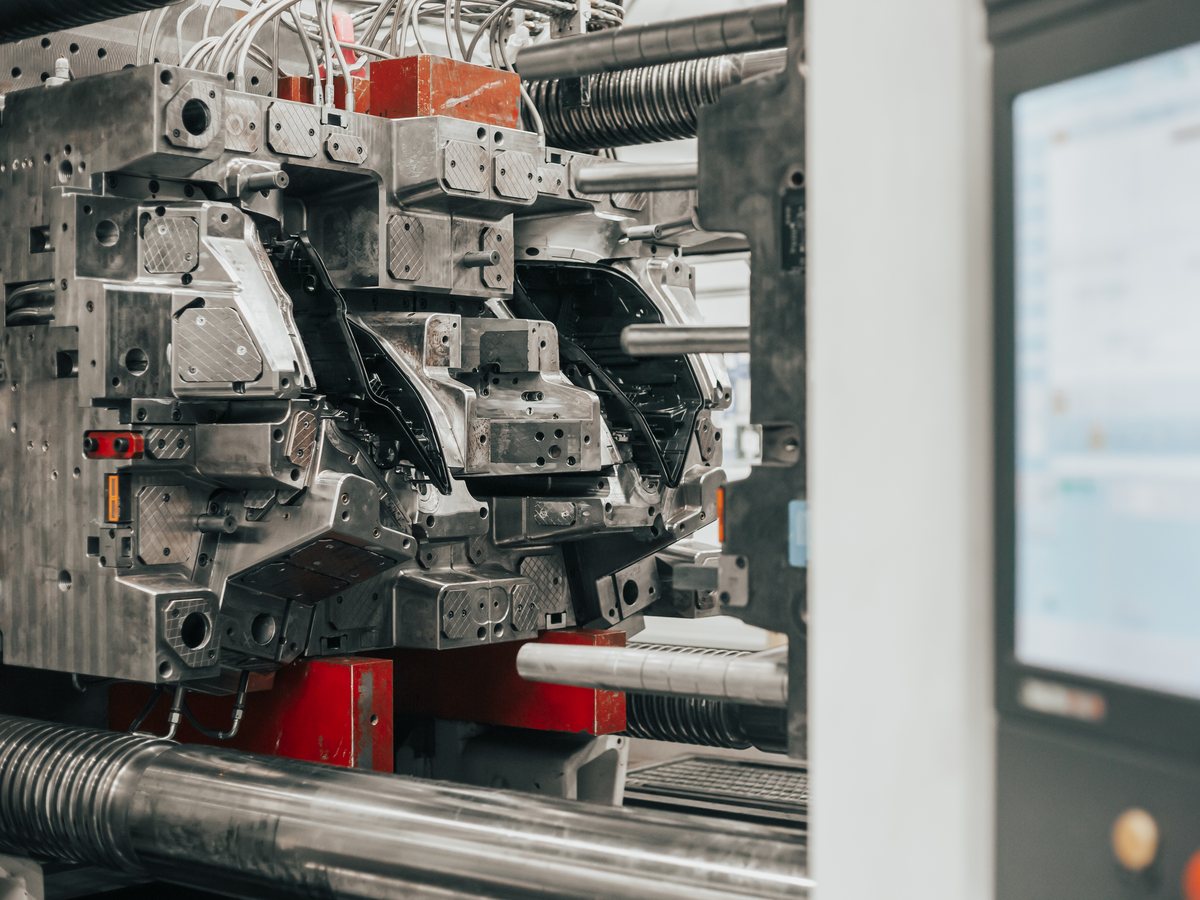
Rubber and plastics
Cleaning blow and injection moulds by wet blasting or ultrasound, roughening composites.
View the applications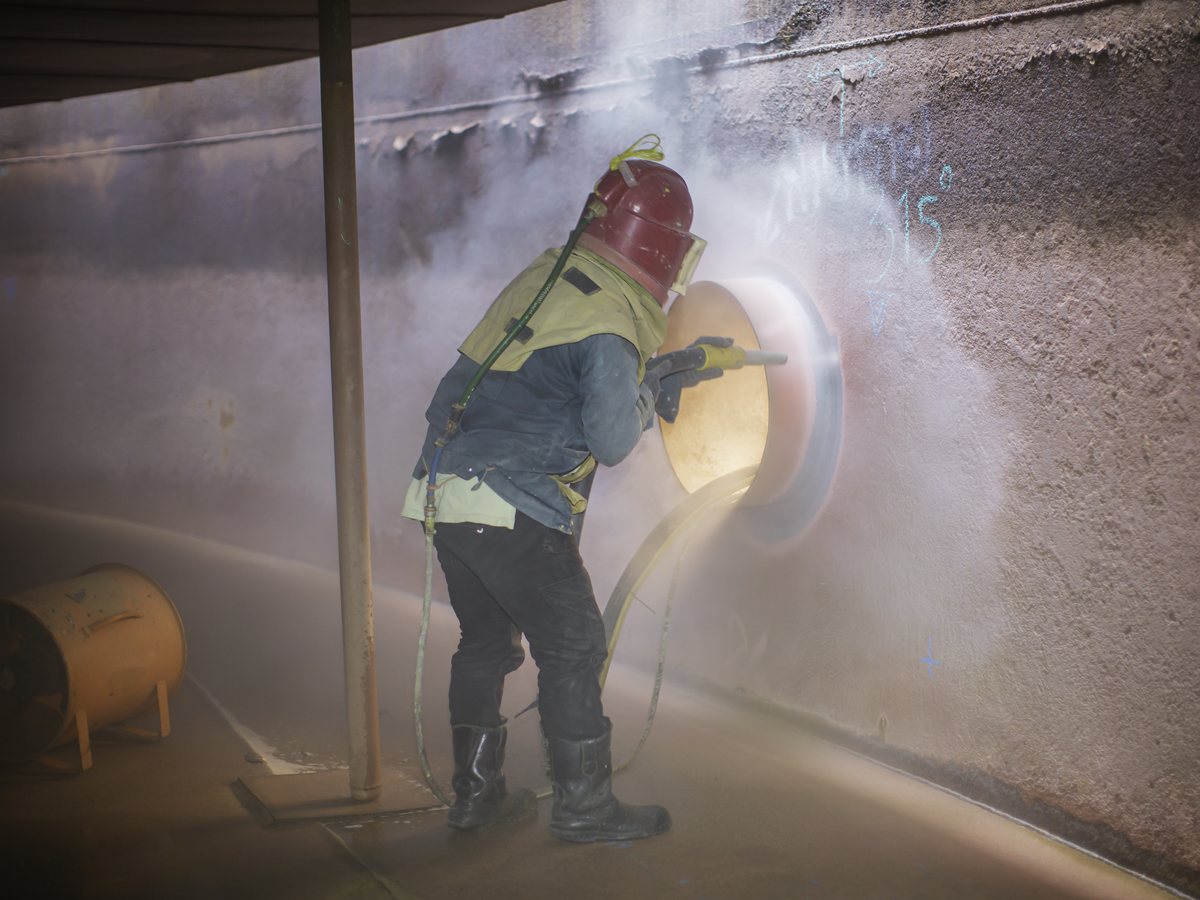
Energy, nuclear and offshore
Cleaning pumps, valves and pipe sections, dust-free blasting of tanks on site.
View the applications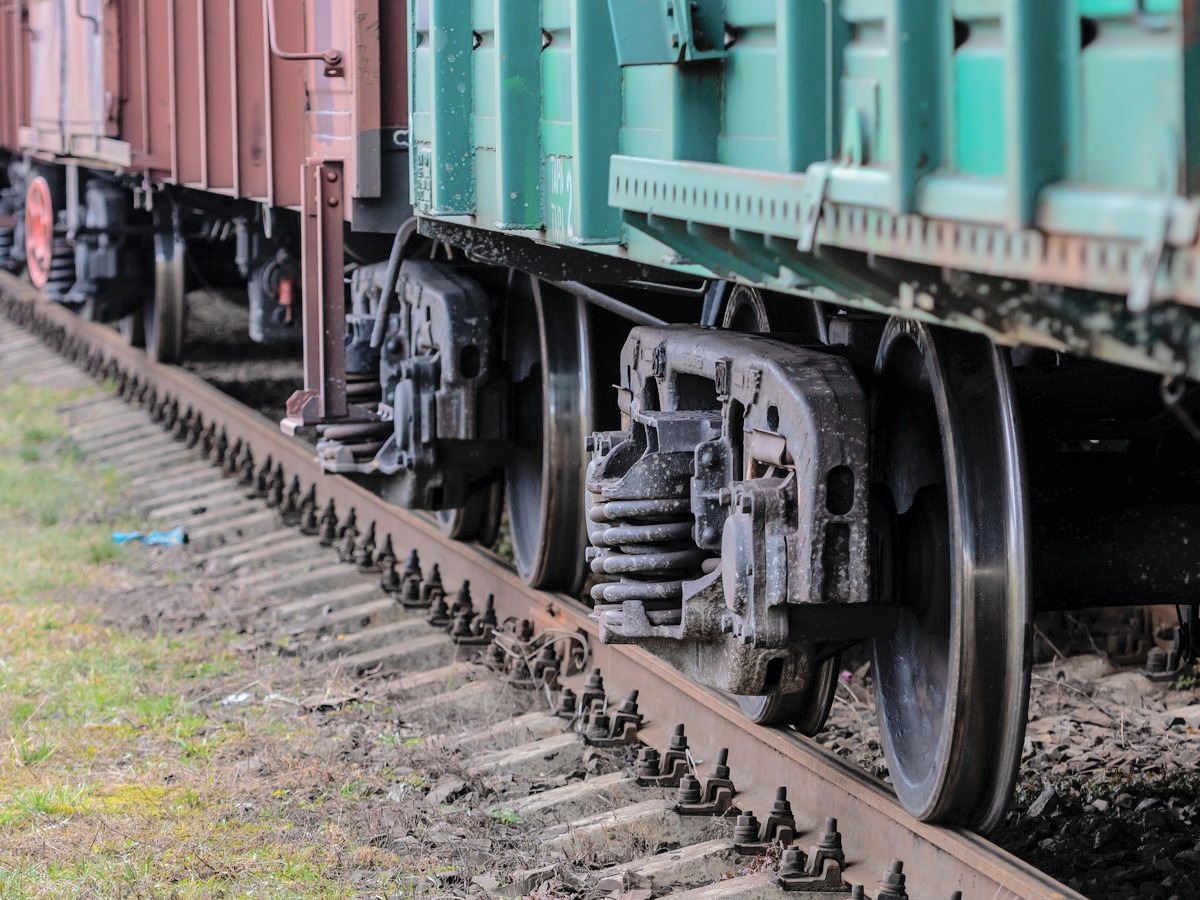
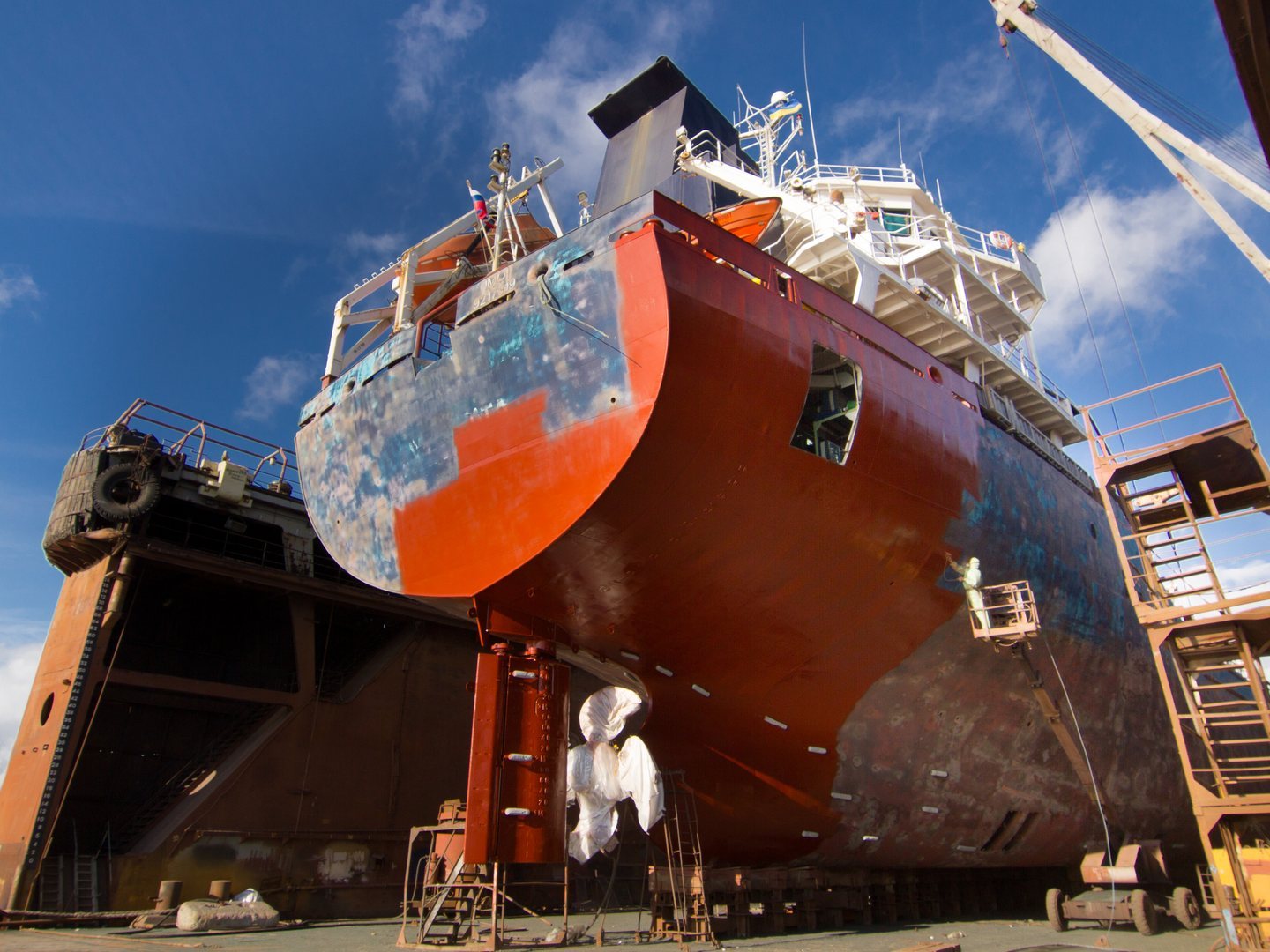
Rail, marine and infrastructure
Blasting bogies during overhaul and structural parts on site.
View the applicationsFrom blast room to mould
For each application: the technique that works and the equipment to do it.
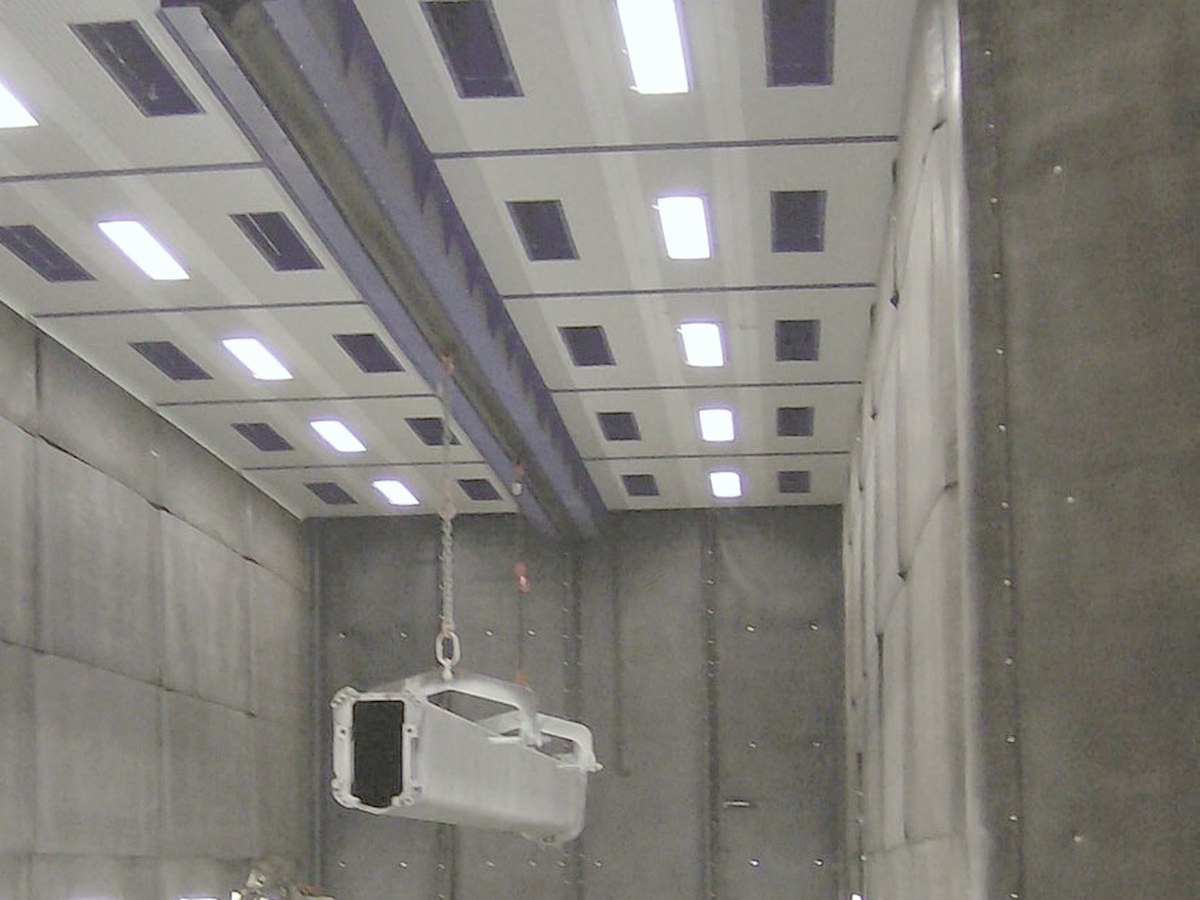
Blast rooms
Blast structural parts, chassis and welded steel structures, with abrasive recovery.
View the equipment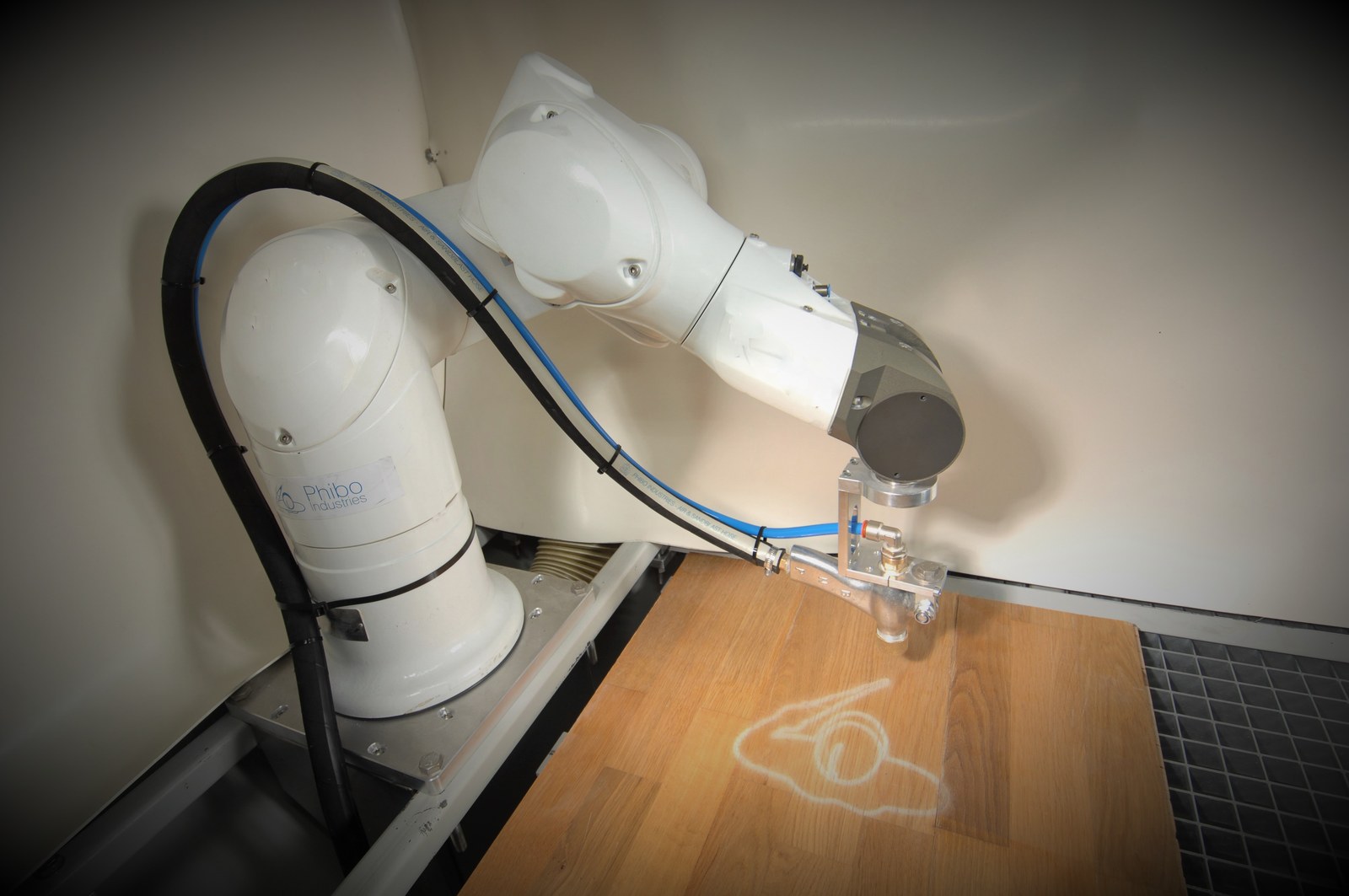
Robotic cells and automated blasting
Every part gets the same path, distance and time, from pass-through systems to a robotic cell.
View the equipment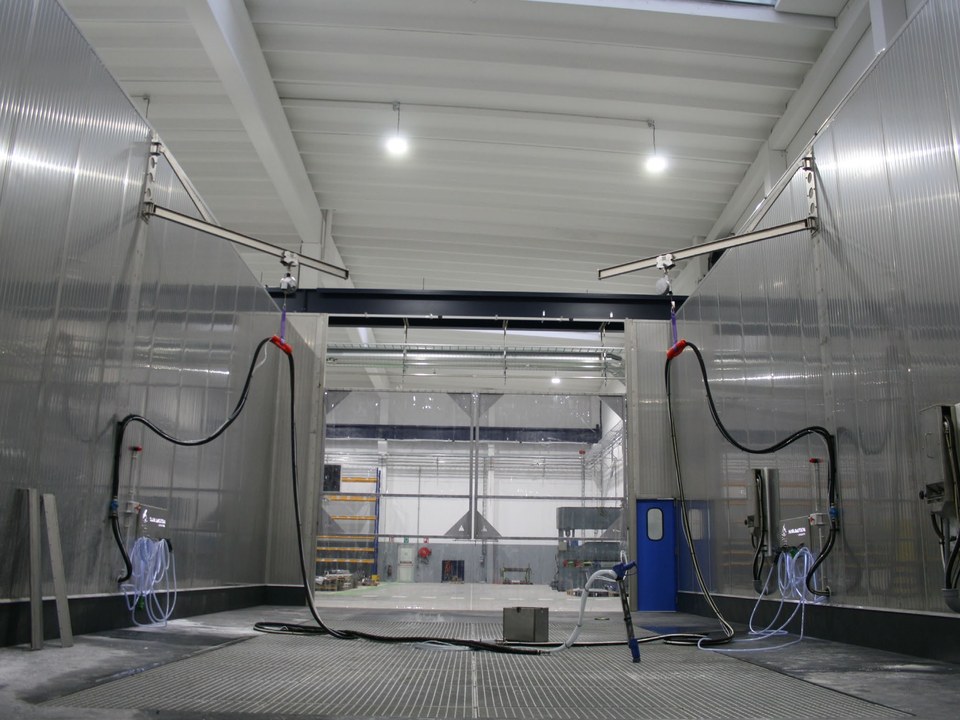
SublimotionProcess® for stainless steel
Hygienic stainless steel surface treatment without acids: dirt and biofilm adhere less.
View the processGlass bead blasting stainless steel
Heat tint and oxide layers removed, for an even matt finish.
View the application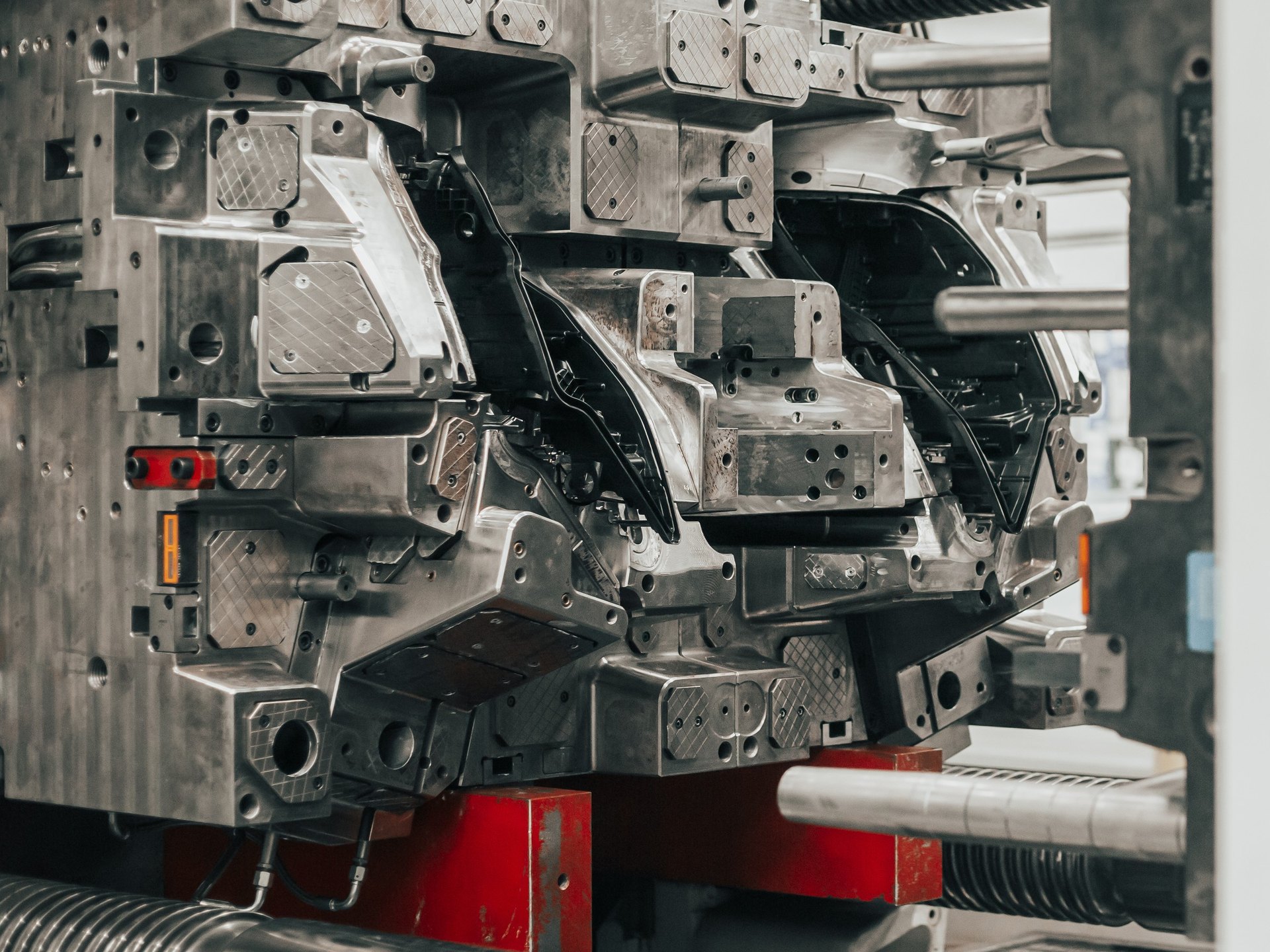
Extrusion die cleaning
Moulds, dies and extruders cleaned without affecting their dimensions.
View the application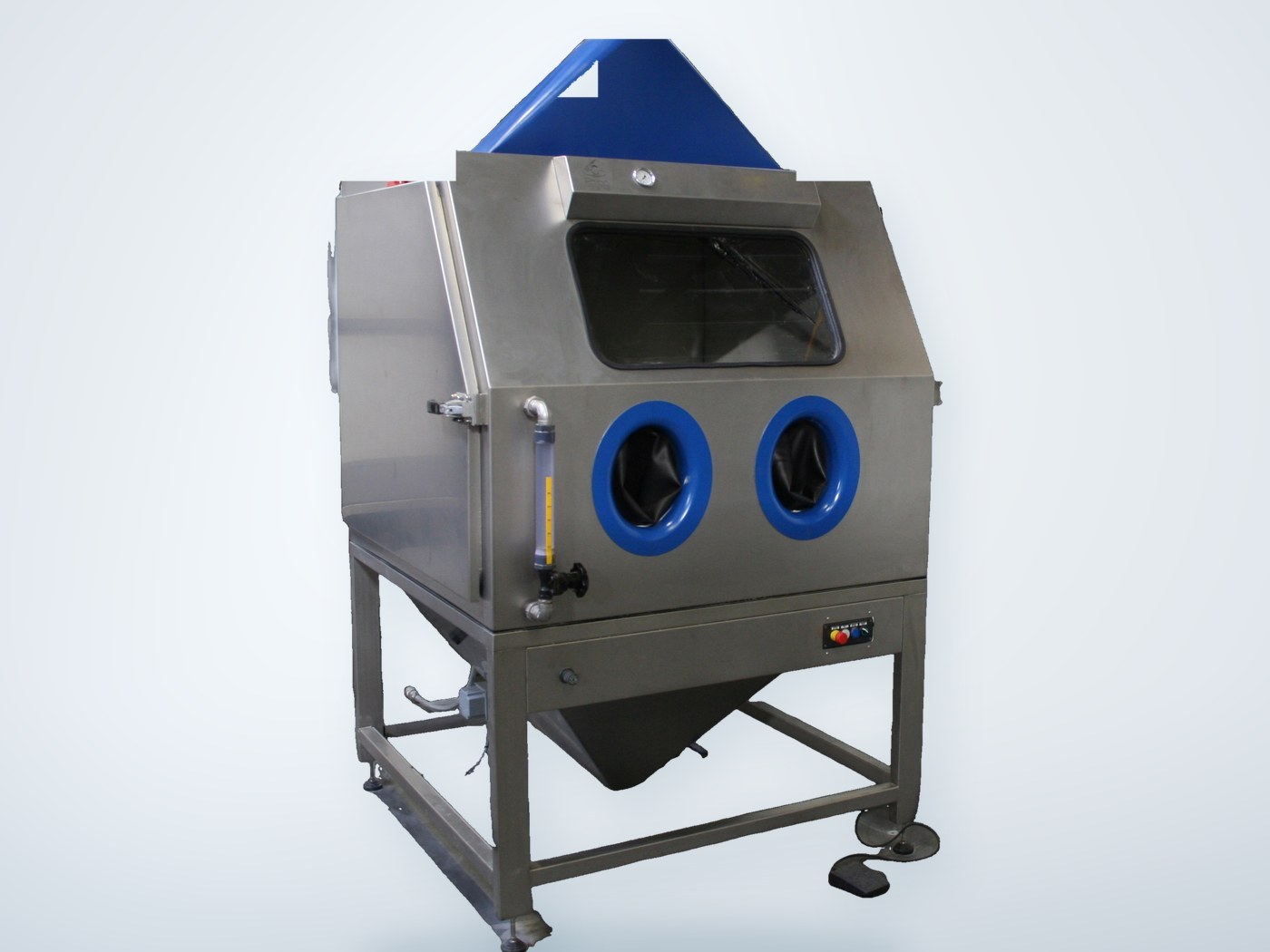
Wet blasting turbine parts
Dust-free, degreased, cleaned and finished in a single treatment.
View the application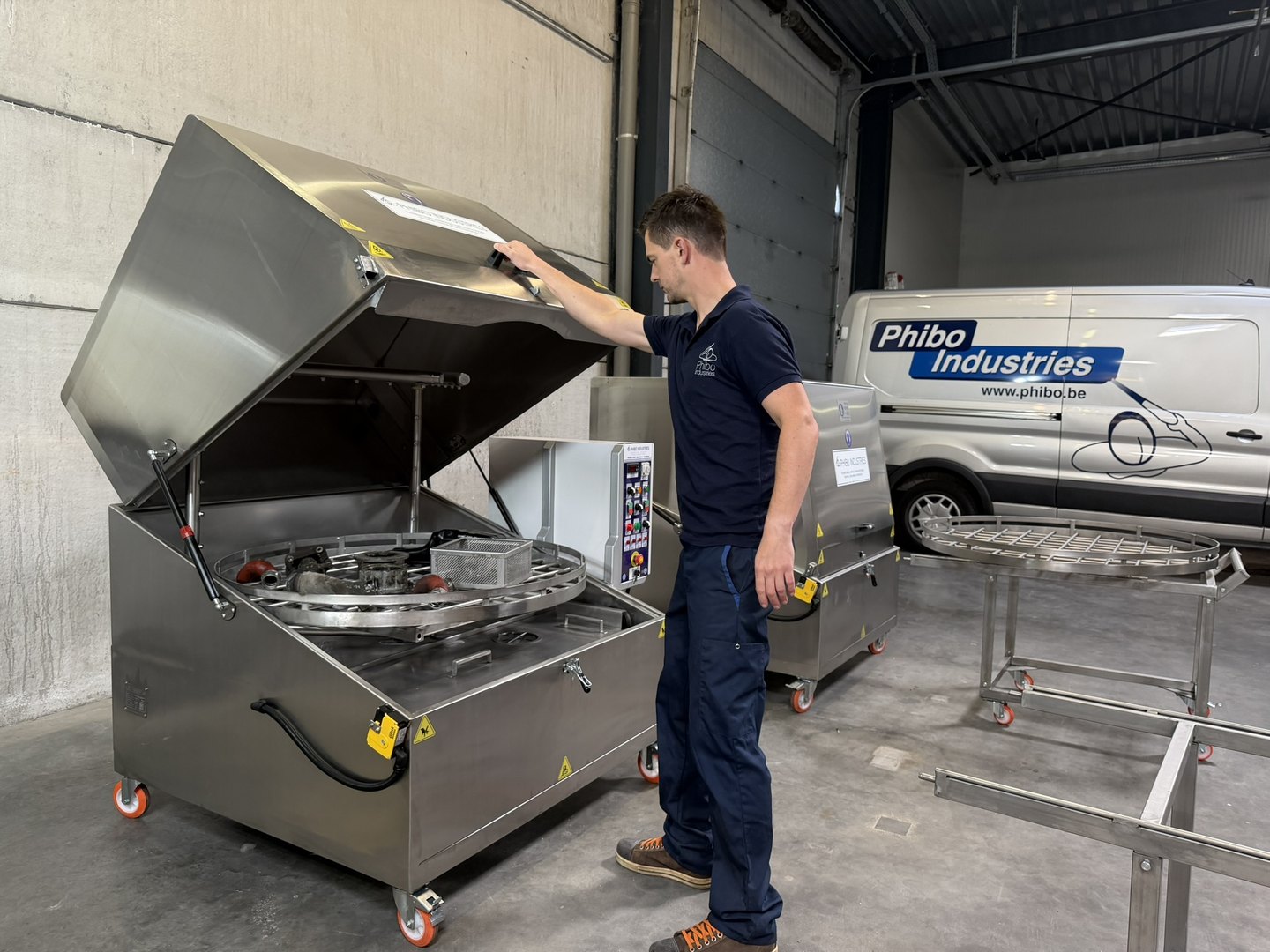
Cleaning cylinder heads and engine blocks
Oil, grease, carbon deposits and chips removed, in a parts washer or by wet blasting.
View the application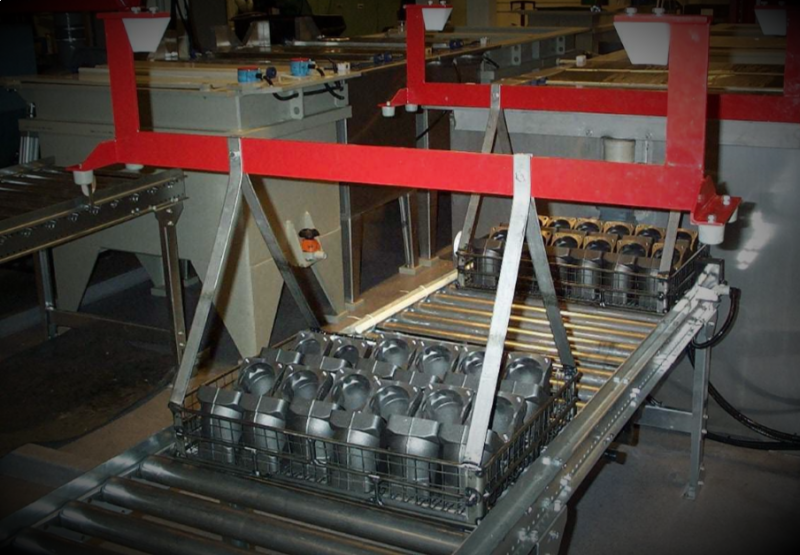
Chemical blacking
Blacking steel and cast iron without a hot bath, by immersion or with blacking paste.
View the application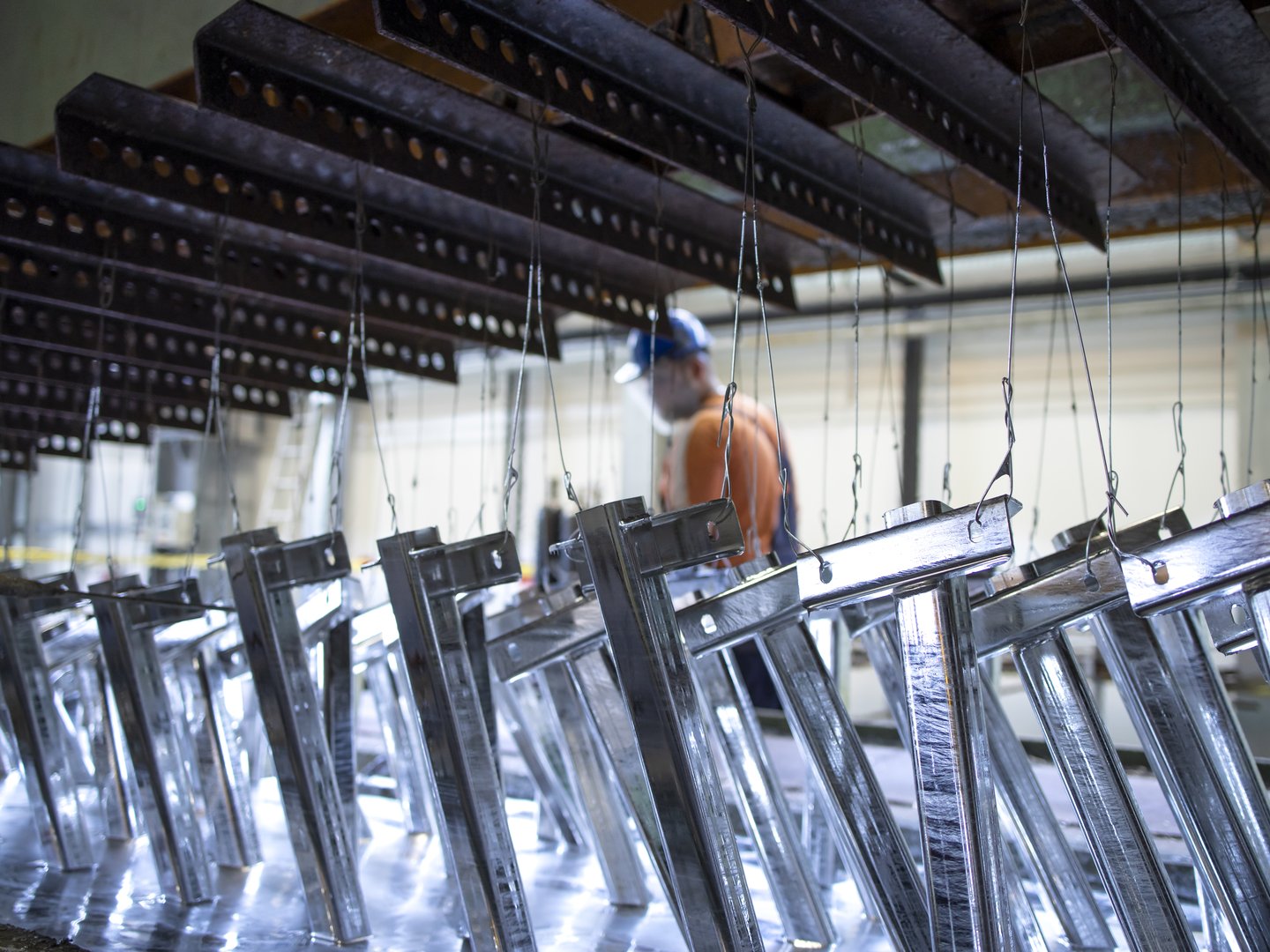
Surface preparation for coating
Preparing the surface for powder coating, paint or another coating.
View the application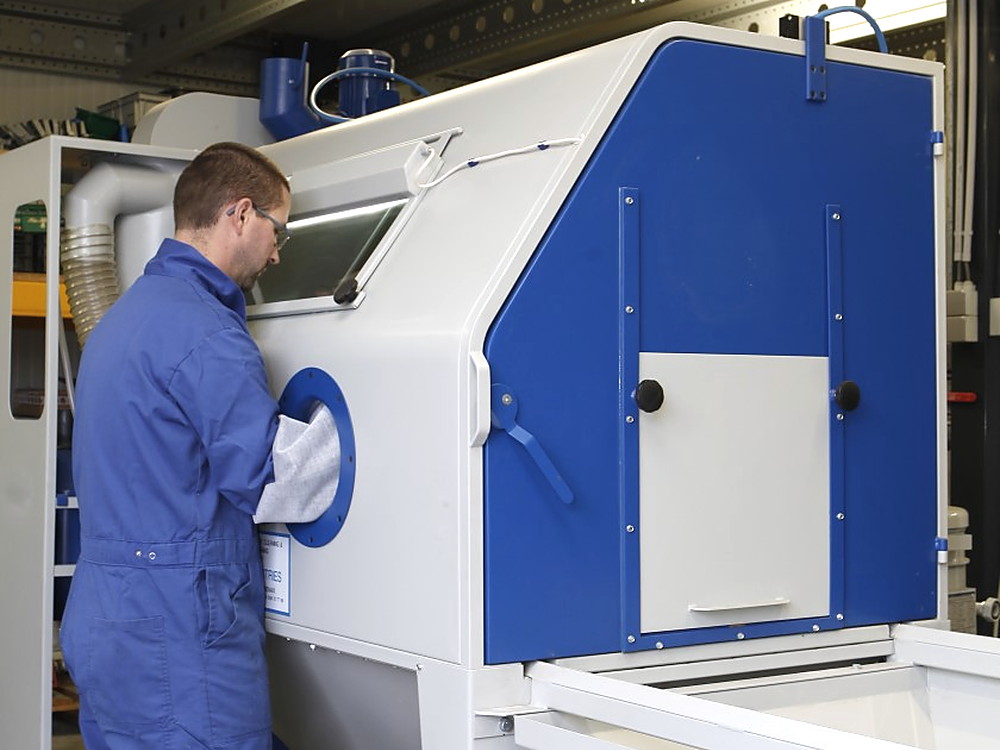
Composite conditioning
Preparing the surface for bonding, between composites and other materials.
View the application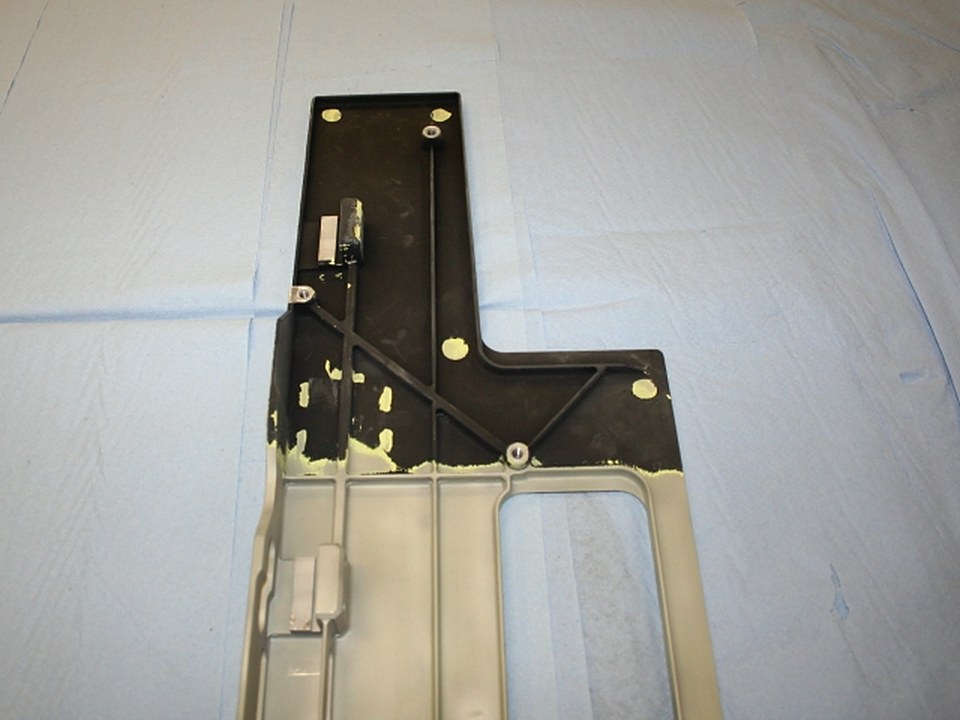
Selective paint removal
Paint and coatings removed from parts, layer by layer where needed.
View the application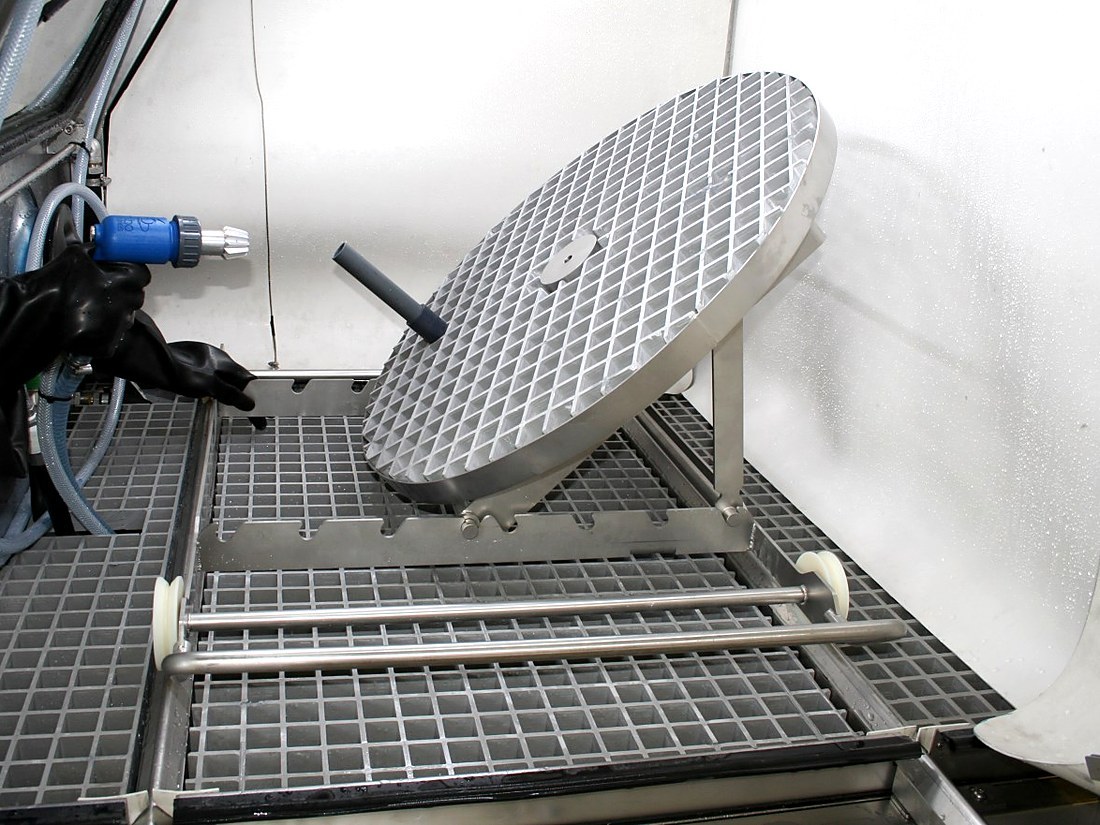
Precise surface cleaning
Post-treating precision parts after machining, without changing their dimensions.
View the application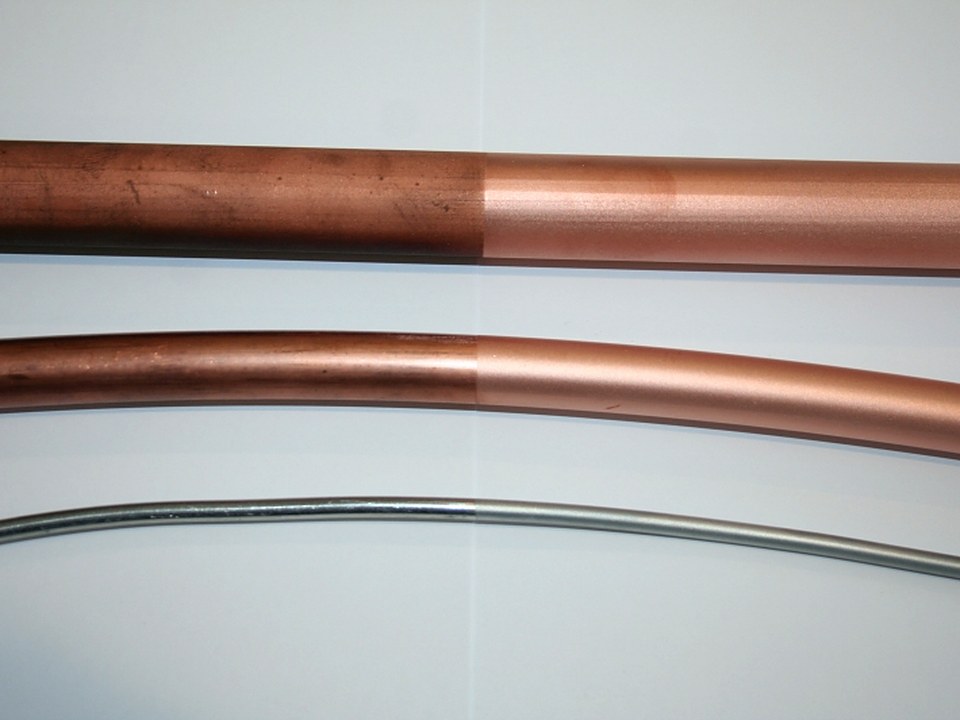
Wire, cable and band in-line
Installations that treat wire, cable and steel band in the production line.
View the applicationOther applications
Buildings, renovation and grounds maintenance
Phibo also supplies the equipment for wood, facades and wrought iron, graffiti, natural stone and glass, and robotic lawn mowers.
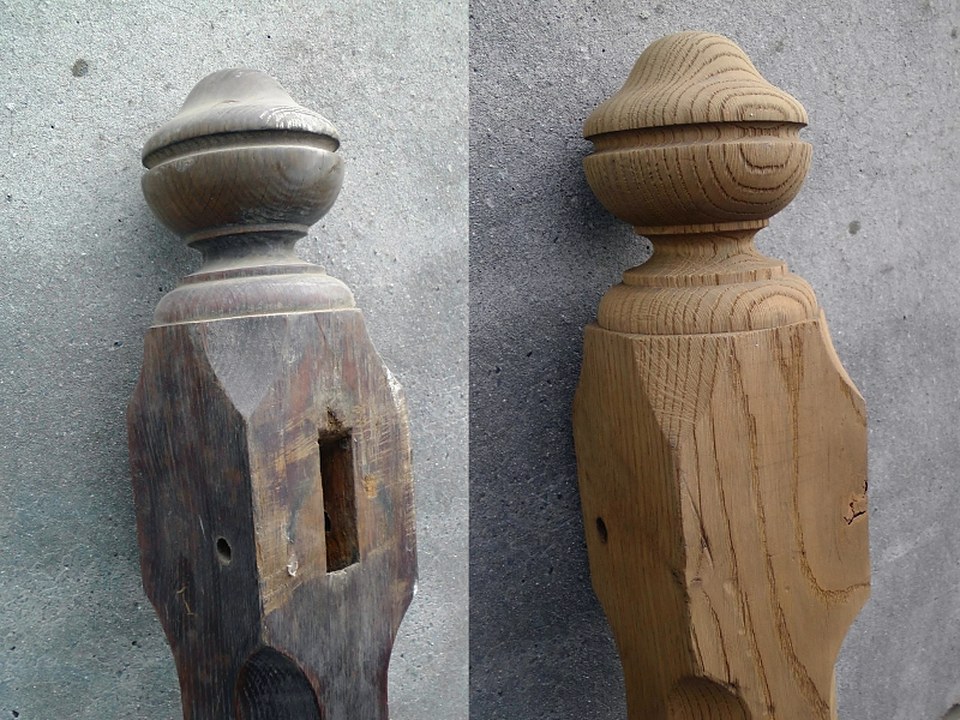
Air-gumming of wood
Paint and varnish off stairs, furniture and beams, at low pressure and without chemicals.
View the application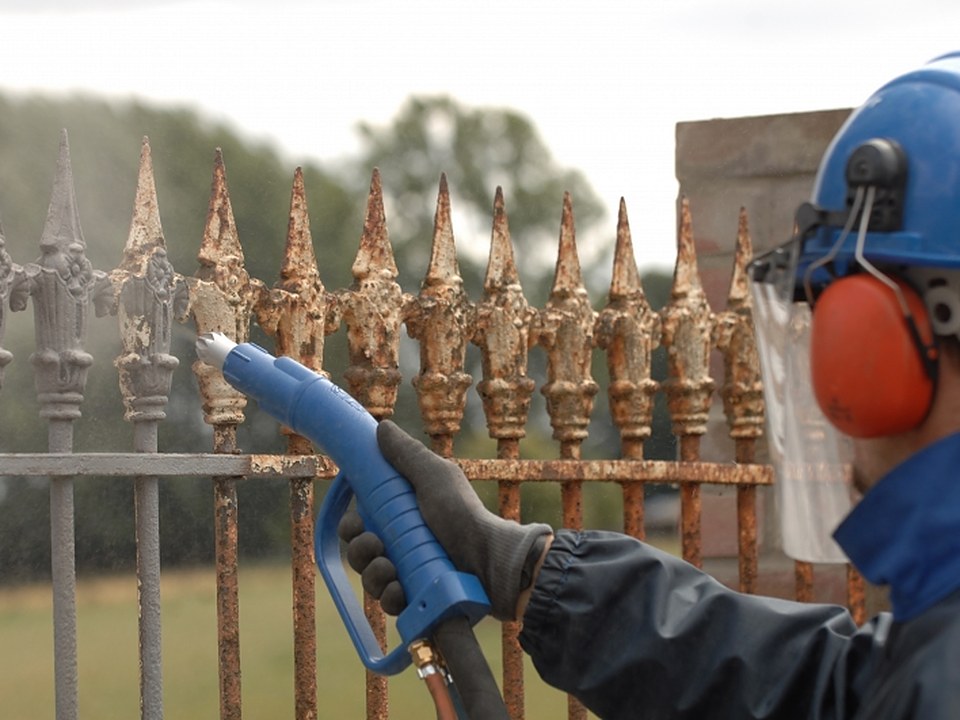
Wrought iron railings
Rust and old paint off gates and railings, down to bare metal.
View the application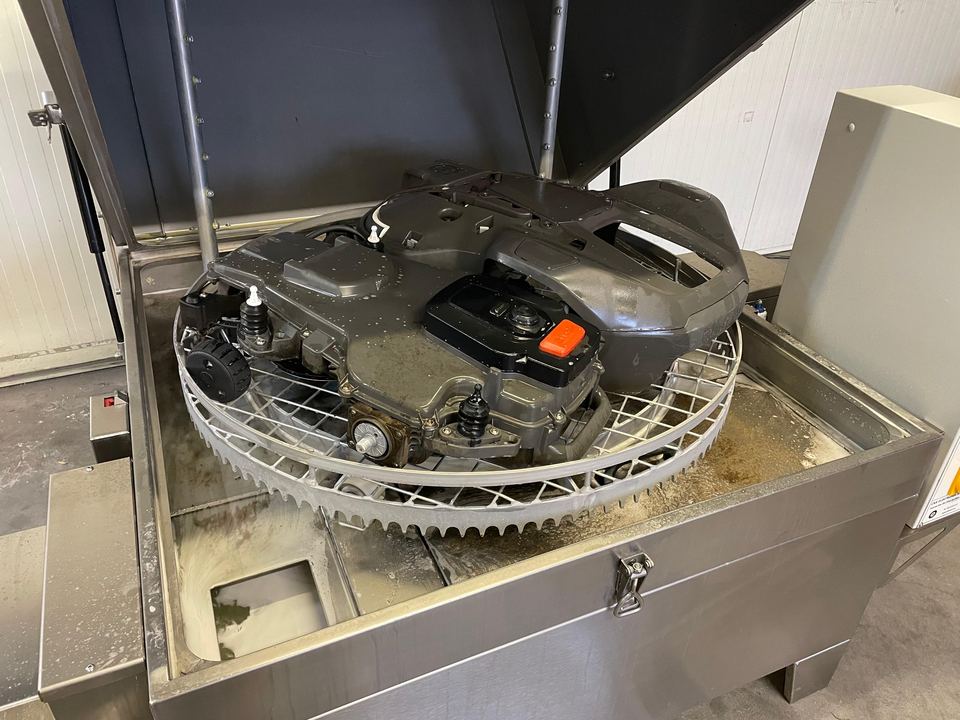
Robotic lawn mower cleaning
Covers and parts cleaned in a top loading parts washer, during winter servicing.
View the application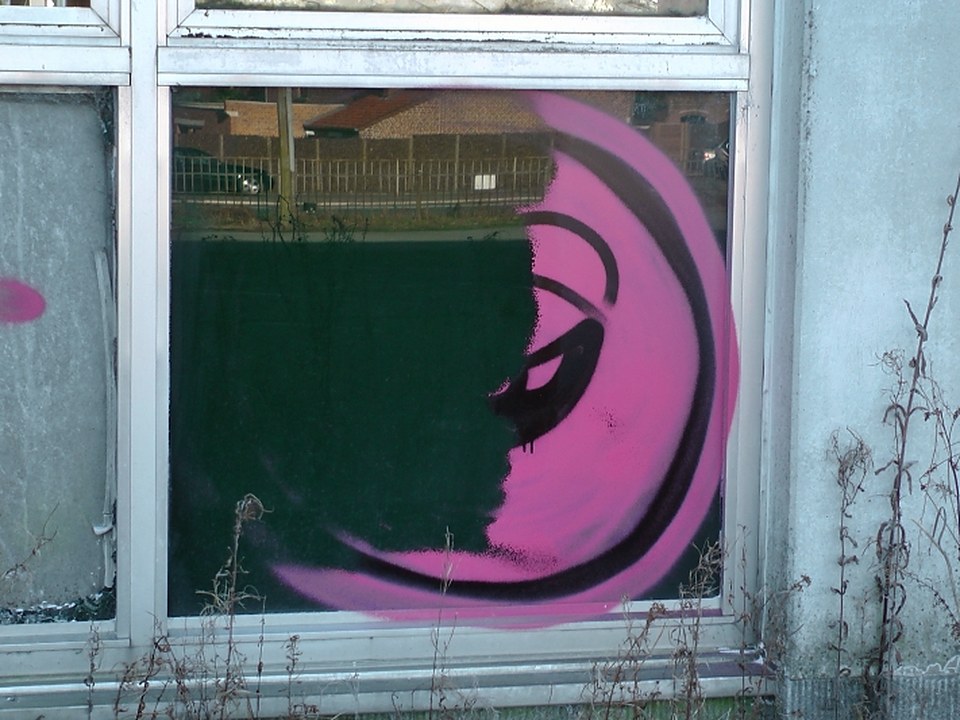
Graffiti removal
Graffiti removed from walls and glass without damaging the surface.
View the application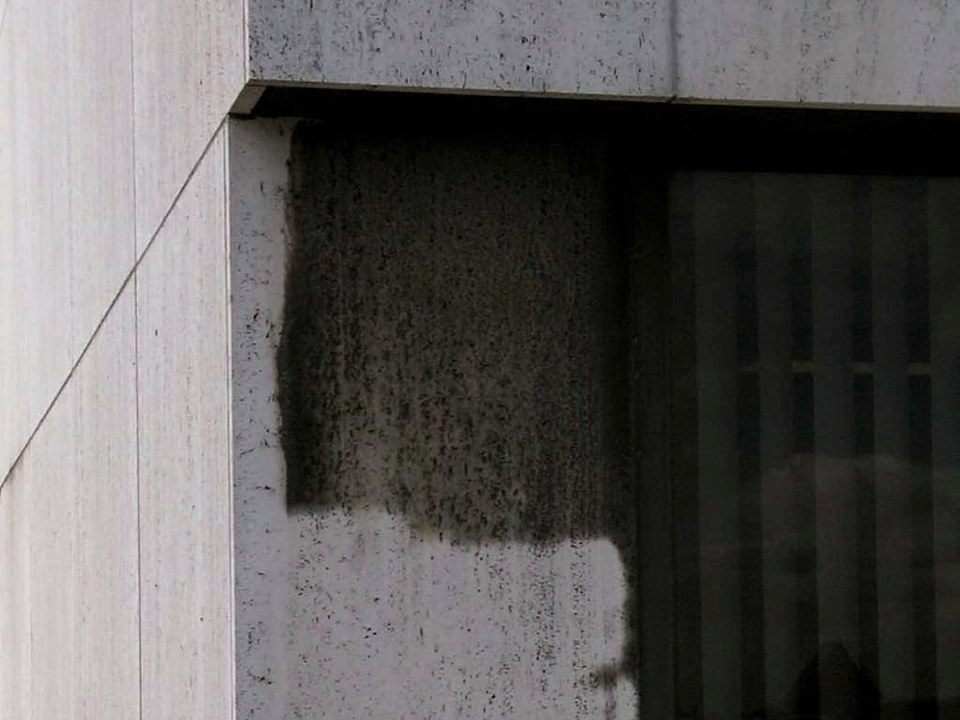
Facade and monument cleaning
Natural stone, brick and floors cleaned in a controlled way, at low pressure.
View the application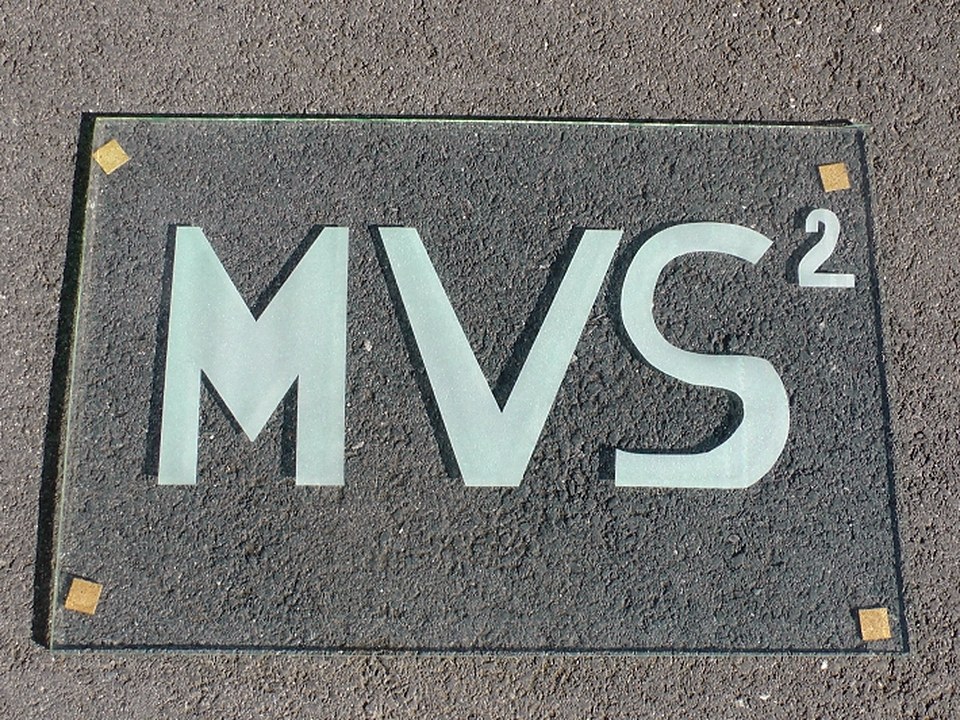
Blasting stone and glass
Two delicate substrates, each with the right blasting method.
View the applicationTechniques
Which technique for which application
Different techniques can work for the same application. This is where each one fits.
| Technique | What it does | Applications |
|---|---|---|
| Dry blasting | Abrasive projected onto the surface under pressure, in a cabinet, a blast room or an automated installation. | Paint removal, surface preparation for coating, glass bead blasting stainless steel, stone and glass, railings, precision parts, composites |
| Wet blasting | Water and abrasive together. Degreasing, cleaning and finishing in one treatment, without dust. | Mould cleaning, precision parts, composites, degreasing, paint removal, surface preparation for coating |
| Air-gumming | Blasting at low pressure with a fine abrasive, mobile on site or in the workshop. | Wood, facades and monuments, graffiti, railings, paint removal |
| Parts washers | Cleaning and degreasing parts with heated water and detergent, in a closed loop. | Degreasing, robotic mowers, moulds, surface preparation for coating |
| Blackfast | Chemical blacking of steel and cast iron at room temperature. | Blacking of parts |
| In-line installations | Machines that treat wire, cable and band in the existing production line. | Wire, cable and band |
Swipe the table to the left to see all columns.
Frequently asked questions
Questions about surface treatment
What is abrasive blasting?
Abrasive blasting is the treatment of a surface with an abrasive that compressed air propels onto the part. In dry blasting only the abrasive hits the surface; in wet blasting water is added. It removes paint, rust, mill scale or deposits, or gives the surface a roughness profile or an even finish.
Which blasting medium for steel and which for aluminium?
On steel, choose an angular medium such as steel grit or aluminium oxide: it removes rust and mill scale and leaves a roughness profile that the coating adheres to. On aluminium, plastic media at low pressure removes the paint and leaves an anodised layer intact. All blasting media at a glance.
Which technique fits my application?
That depends on the material, the contamination or layer to remove, and the finish you want. Often several techniques are possible. Tell us what is on your parts and we propose the installation that fits.
What if my application is not listed?
Then we are happy to look at it with you. Send a photo of your part via WhatsApp or fill in the form below.
When do I choose cleaning instead of blasting?
If only oil, grease or dirt has to come off and the surface must stay as it is, you wash the part in a parts washer: by spraying, immersion or ultrasonics. If rust, mill scale or paint has to come off, or you need a rougher profile for the next layer, you blast. More in degreasing and cleaning parts.
What is the difference between dry and wet blasting?
Dry blasting projects only abrasive with compressed air. Wet blasting adds water: there is no dust, and the part is degreased, cleaned and finished in the same treatment.
Your installation keeps running
Maintenance, repair and spare parts, directly from Phibo, by our own technicians.
Maintenance
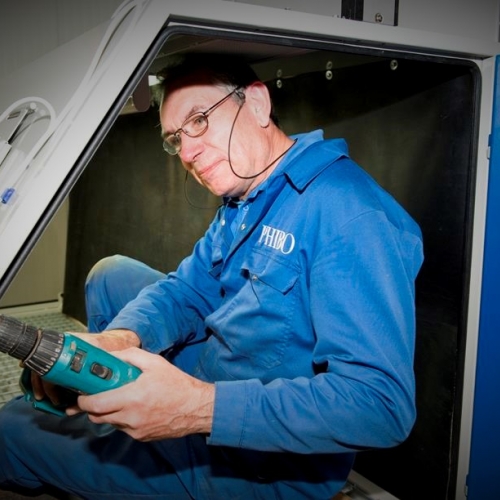
Preventive maintenance in our workshop or at your site. After every service your settings and consumption are reviewed.
More about this service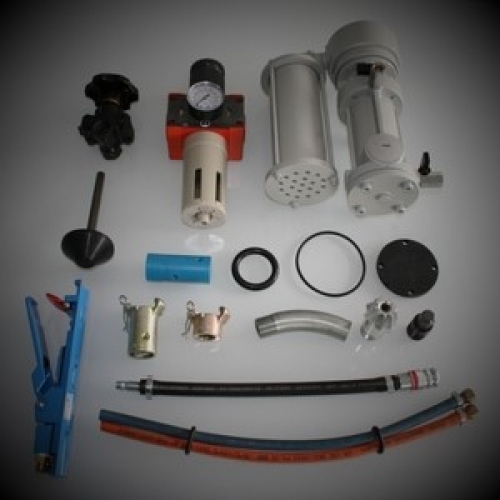
Spare parts
Blast pots, hoses, guns, rubber flaps and filter cartridges from stock. Non-standard parts we make ourselves.
More about this service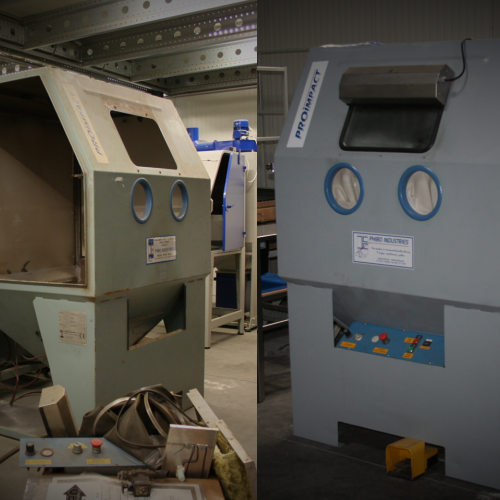
Revision and retrofitting
Modernise an existing installation or convert it to a new process. Revised second-hand installations too.
More about this service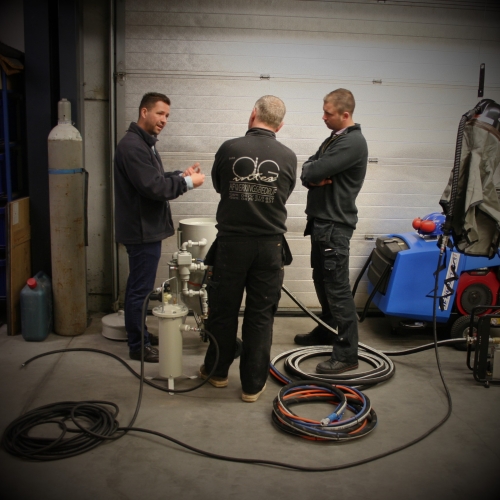
Training
Hands-on training at commissioning, standard with SublimotionProcess® and on request with the other installations. When staff change, we repeat it to suit your team.
More about this serviceRequest
We call you and go through your application
The technique depends on your parts, what is on them and the finish you are after. Fill in what you know below, and we go through the rest together on the phone.
- The material and dimensions of your parts
- The contamination or layer to remove
- A photo, via WhatsApp if you like