
Application for facade restoration, blasting and cleaning contractors
Masonry cleaning for facades and monuments
Masonry cleaning by air-gumming means blasting soiling, deposits and paint off the stone with a fine abrasive at low pressure, so natural stone and brick stay intact. Phibo supplies the mobile MCS² and the dust-free MVS² for detail work, with results on facades and steps.
- Working pressure usually 2.5 to 4 bar
- On natural stone the weathered surface skin is preserved
- Own compressor in the set, fits in a small van
- Surface technology specialist since 1988
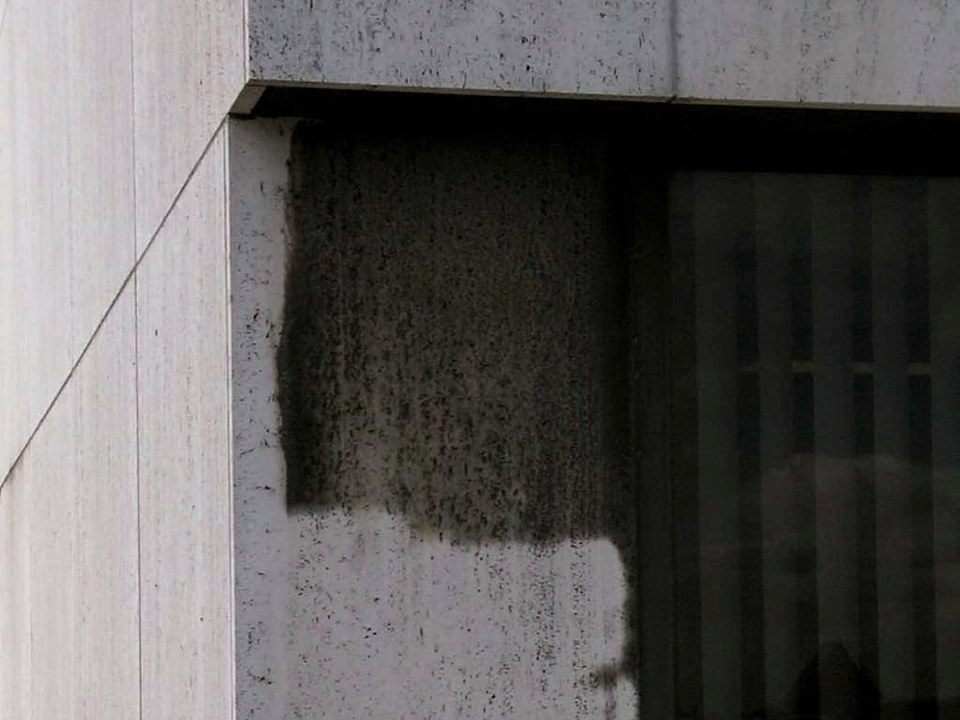
The result
Stone, brick and concrete, cleaned
Monuments, buildings and facades suffer from air pollution. Cleaning them without taking the substrate and the building materials into account damages the stone and its natural protective layer.
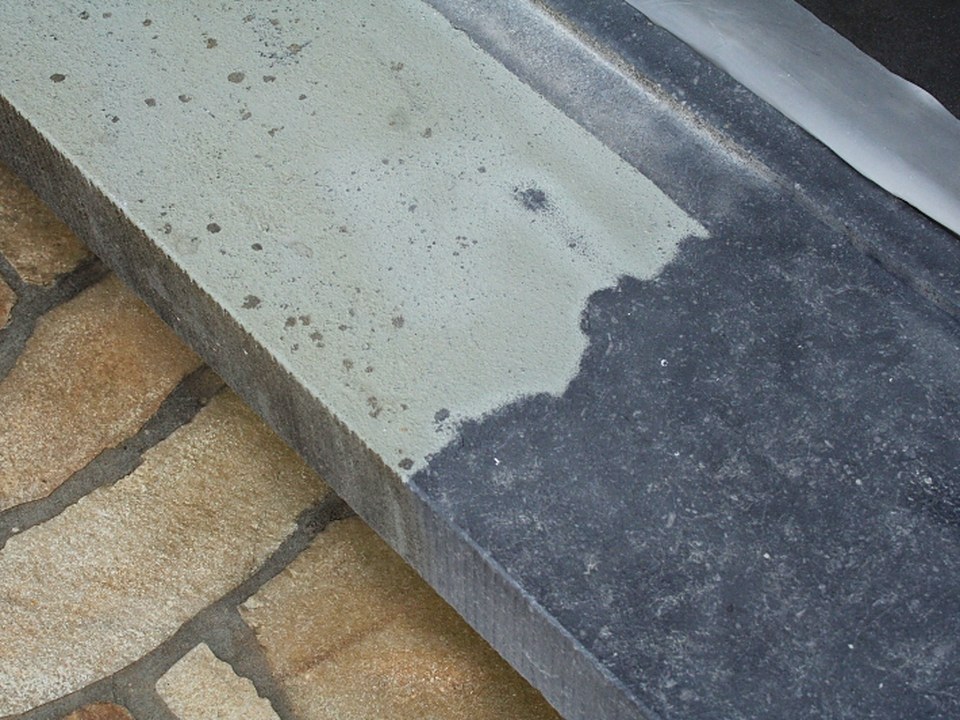
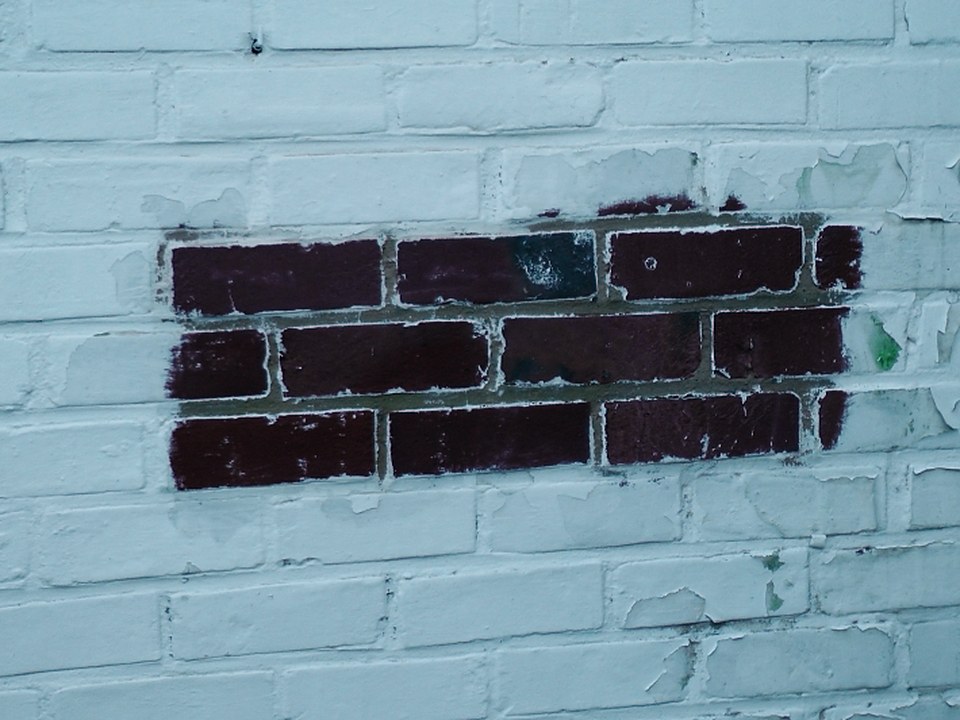
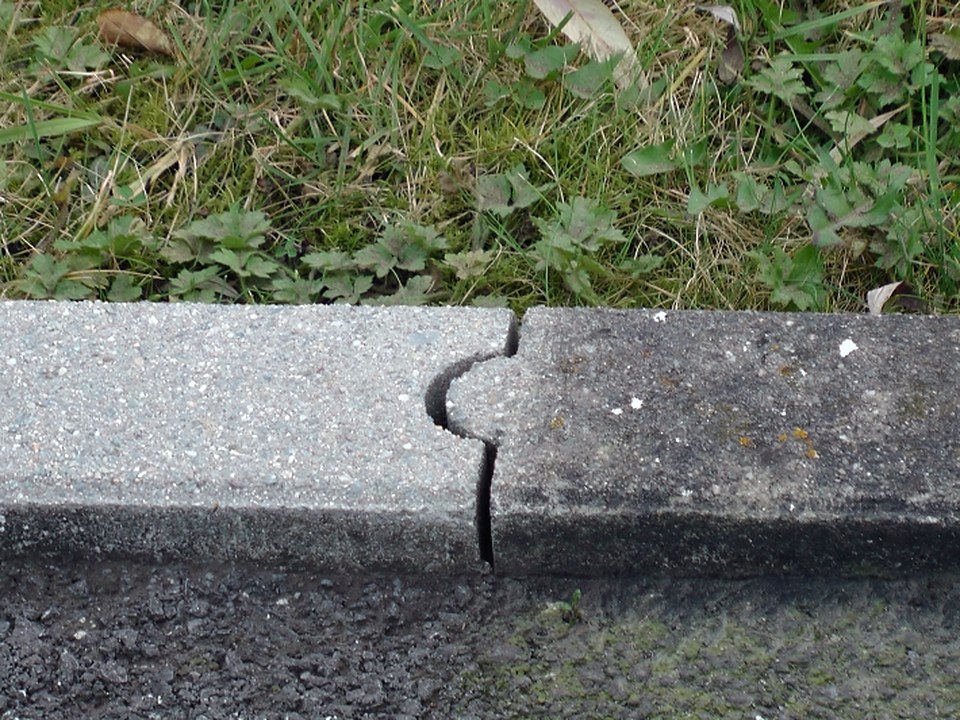
How it works
Cleaning a facade with the MCS²
Masonry cleaning by air-gumming is blasting at low pressure with a fine, homogeneous abrasive. The grain hits the stone at a shallow angle and takes the soiling with it, without attacking the carrier. That is how the weathered surface skin of natural stone is preserved.
Test on a hidden spot
You fix pressure, grain and distance on a spot that is out of sight, before you start on the visible side.
Mask off
Cover whatever has to stay clean, such as windows and doors. With the water option, the MCS² works without dust.
Blast at low pressure
Usually between 2.5 and 4 bar. The filter pressure regulator holds the working pressure steady, and you work with the dead man control on the blasting nozzle.
Clean up
Sweep or vacuum up the abrasive. With the MVS² it stays inside the machine and there is nothing to clean up.
Two machines
Which machine suits which job
Both sets have their own screw compressor up to 1,300 l/min. The difference is the method and the size of the job.
| MCS² | MVS² | |
|---|---|---|
| Method | air-gumming at low pressure | vacuum blasting, projecting and extracting in one movement |
| Working pressure | usually 2.5 to 4 bar | usually 2 to 6 bar |
| Abrasive | pressure vessel of 55 litres, 30 to 70 kg | hopper of 10 litres, in a closed circuit |
| Hose | blasting hose of 8 m | blasting and extraction hose of 5 m |
| Masking | needed, dust-free with the water option | not needed, also usable indoors |
| Suited to | facades and larger surfaces | detail work of a few m² at most |
Swipe the table to the left to see all columns.
Advantages
Why facade cleaners choose air-gumming
The stone stays intact
Low pressure and a fine grain remove the soiling, not the stone.
Indoors as well
The MVS² fits through an ordinary doorway and works in rooms that stay in use.
Works without a mains connection
The compressor runs on its own engine. On a site without power, you simply keep working.
Not sure which machine fits? Send a photo of the facade or the stone. We'll tell you which machine and which abrasive suit it.
References
They already work with Phibo
A selection of Phibo customers, across different industries.






The machines
The installations for facades and monuments
For facades and larger surfaces you air gum with the MCS². For detail work, or where no dust may escape, there is the MVS².
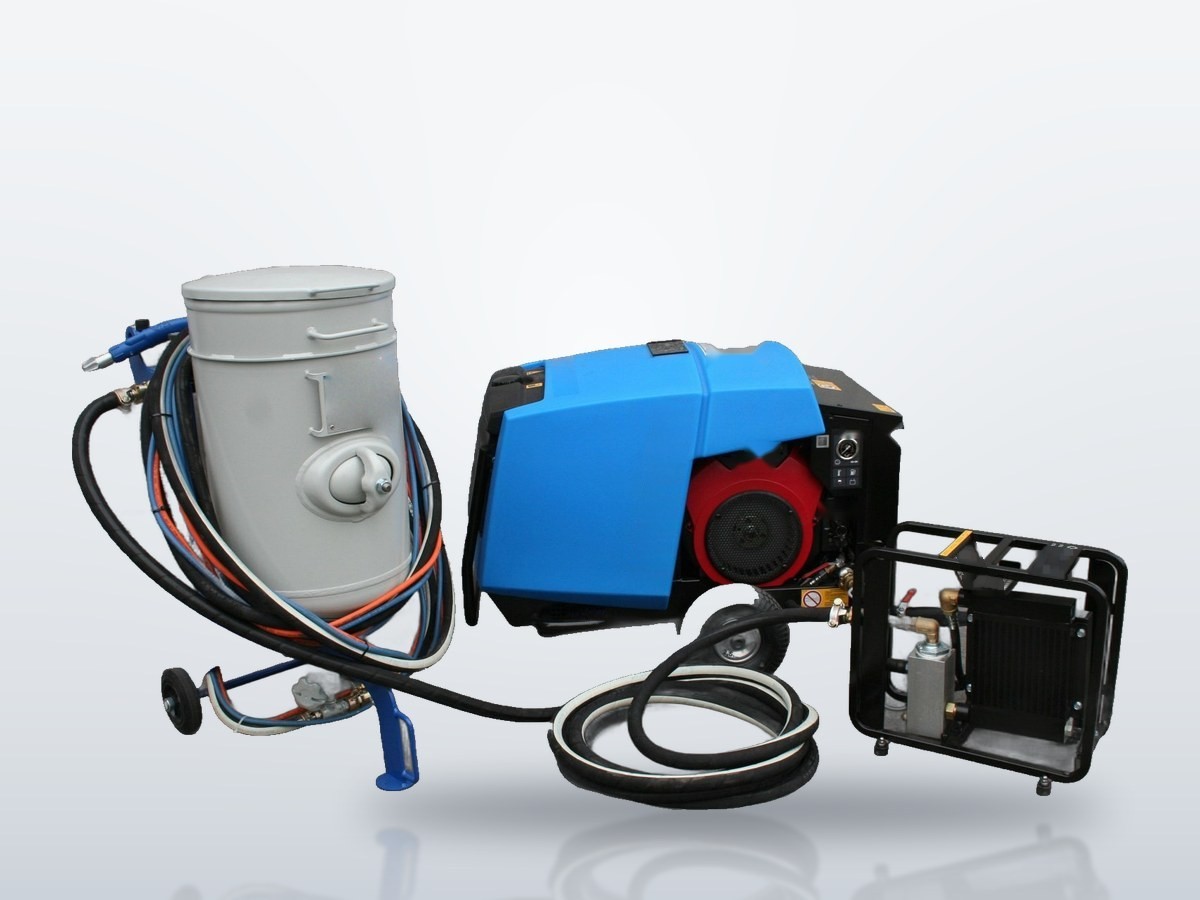
MCS² air-gumming system
Low pressure stripping, with a 55 litre pressure vessel and an 8 metre blasting hose. For facades, natural stone, wood, glass and cast iron.
View the MCS²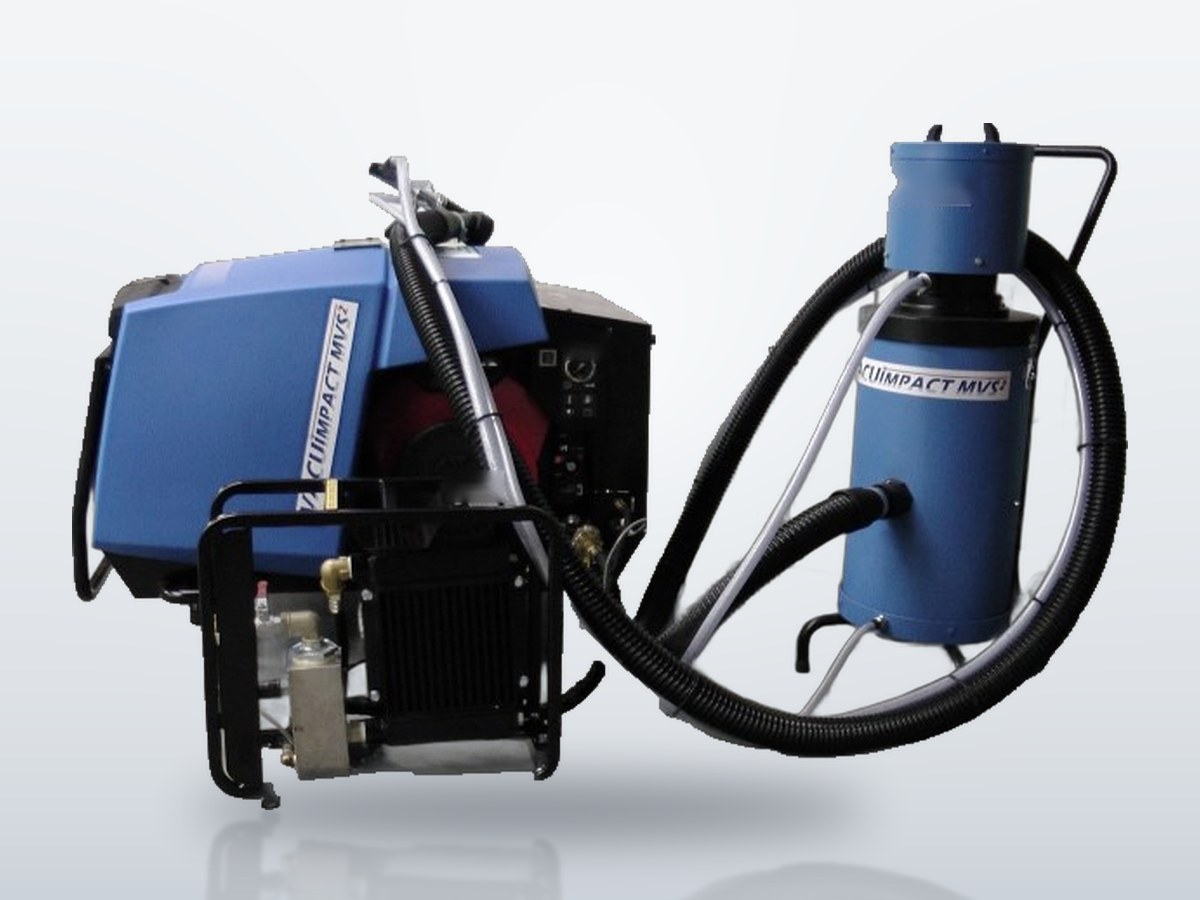
MVS² vacuum blast machine
Vacuum blasting, projecting and extracting in one movement, with a 10 litre hopper and three brushes. No masking beforehand, no clean-up afterwards.
View the MVS²Frequently asked questions
Questions from facade cleaners
Is air-gumming safe for natural stone and historic facades?
Air-gumming works at low pressure, usually between 2.5 and 4 bar, with a fine grain that hits the stone at a shallow angle. On natural stone the weathered surface skin is preserved that way. Always fix the setting on a spot that is out of sight first.
What is the difference between air-gumming and sandblasting for a facade?
Air-gumming works at low pressure, with a fine grain and limited use of compressed air and abrasive. Conventional sandblasting needs higher pressure, more compressed air and more abrasive. More in Air-gumming versus sandblasting.
Can a facade be cleaned without dust?
With the water option, the MCS² works without dust. If no abrasive may escape at all, the MVS² extracts everything in the same movement, for smaller surfaces.
Can I also clean natural stone steps and floors?
Yes. With the same machines you also clean steps, sills and floors in natural stone. If you work inside a building, the MVS² keeps the abrasive inside the machine. Blasting or working natural stone in the workshop? See blasting stone and glass.
Do I need a separate compressor?
No. The MCS² and the MVS² each have their own screw compressor with engine, up to 1,300 l/min, and an aftercooler for condensate free air.
Consumables
Get the abrasive from Phibo too
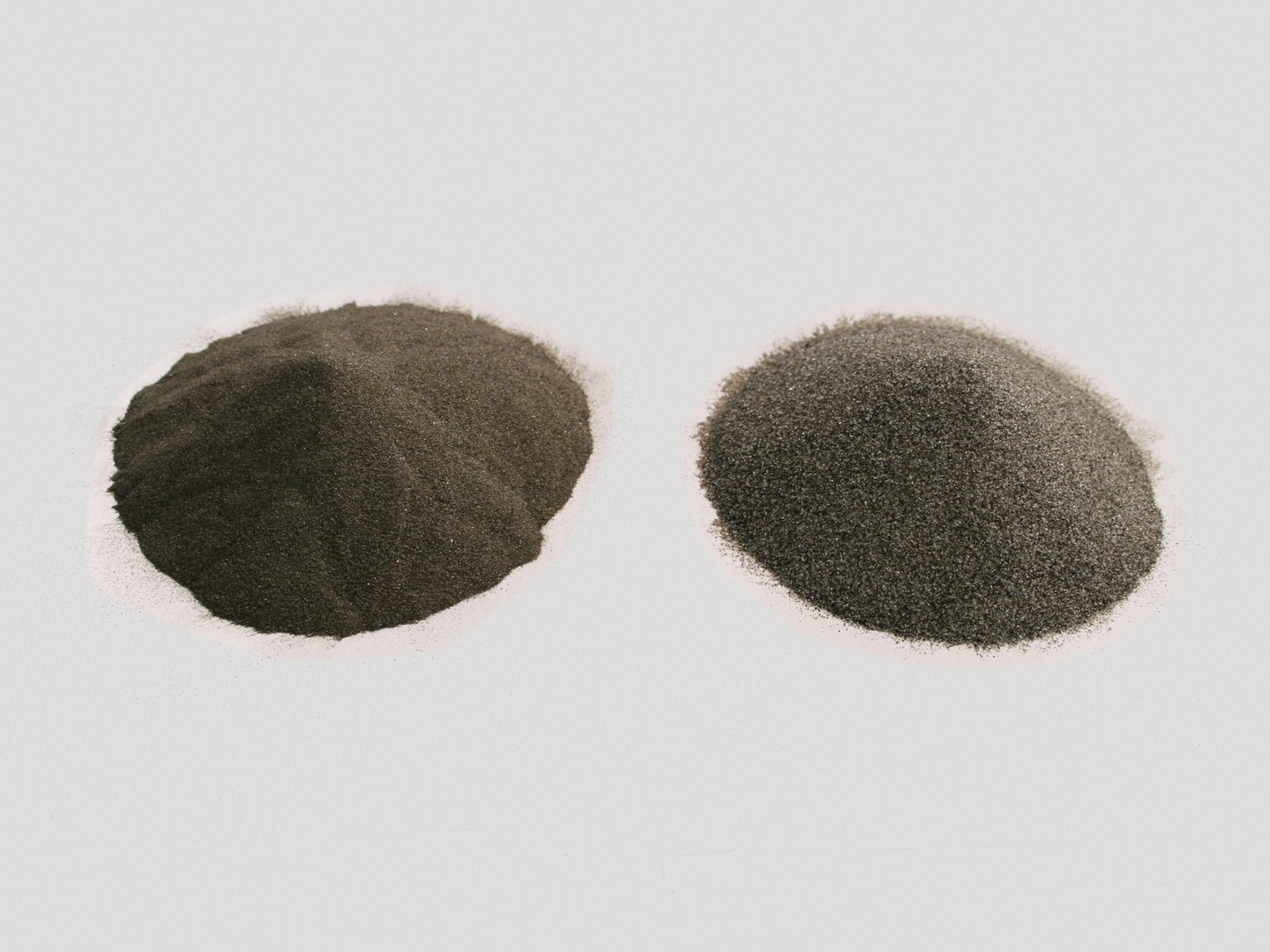
On natural stone the grain decides the result. Phibo supplies soft media for natural stone, including Gommalite®, a blend we compose for delicate air-gumming. Our media contain no free crystalline silica. We help you choose the grain that suits your stone.
Your installation keeps running
Maintenance, repair and spare parts, directly from Phibo, by our own technicians.
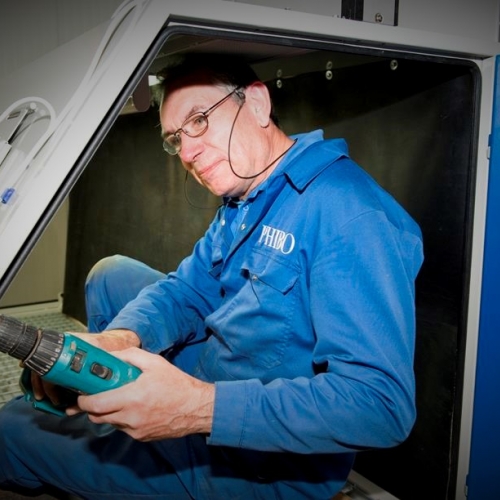
Maintenance
Preventive maintenance in our workshop or at your site. After every service your settings and consumption are reviewed.
More about this service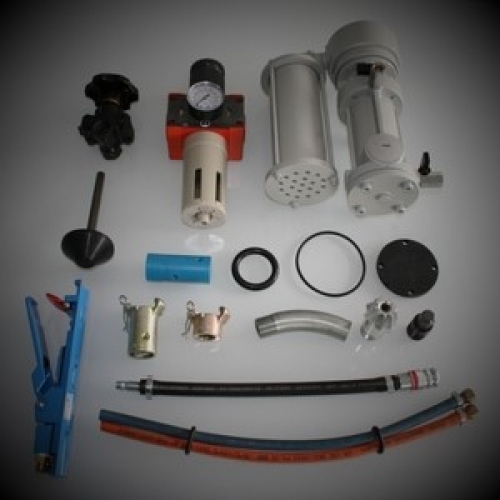
Spare parts
Blast pots, hoses, guns, rubber flaps and filter cartridges from stock. Non-standard parts we make ourselves.
More about this service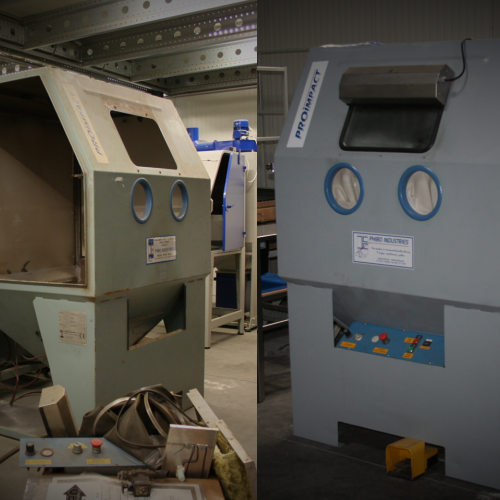
Revision and retrofitting
Modernise an existing installation or convert it to a new process. Revised second-hand installations too.
More about this service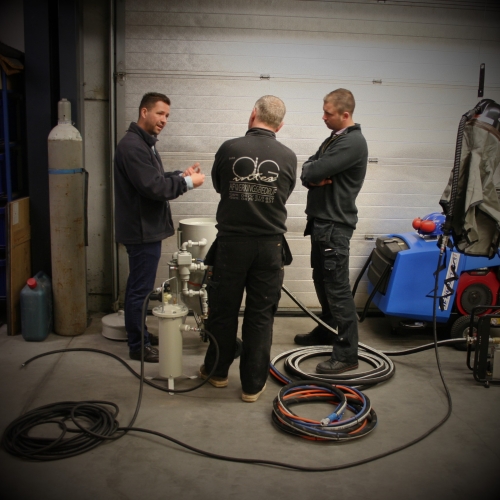
Training
Hands-on training at commissioning, standard with SublimotionProcess® and on request with the other installations. When staff change, we repeat it to suit your team.
More about this serviceRequest
We call you and go through your application
Fill in what you know below, and we go through the rest together on the phone.
- Which stone you clean: natural stone, brick or concrete
- What has to come off: soiling, deposits, paint or graffiti
- How many m² per site, and whether you work indoors or outdoors
- A photo of the facade, via WhatsApp if you like