
Application for restoration and blasting contractors
Wood blasting with low pressure air-gumming
Air-gumming is a gentle form of wood blasting that takes paint, varnish and dirt off the wood with a fine abrasive at low pressure, without wearing away the grain or the mouldings. Phibo supplies the mobile MCS² and the air-gumming hall, with results on stairs and furniture.
- Working pressure usually 2.5 to 4 bar
- Abrasive up to 250 microns for soft substrates
- Mobile, with its own compressor up to 1,300 l/min
- Surface technology specialist since 1988
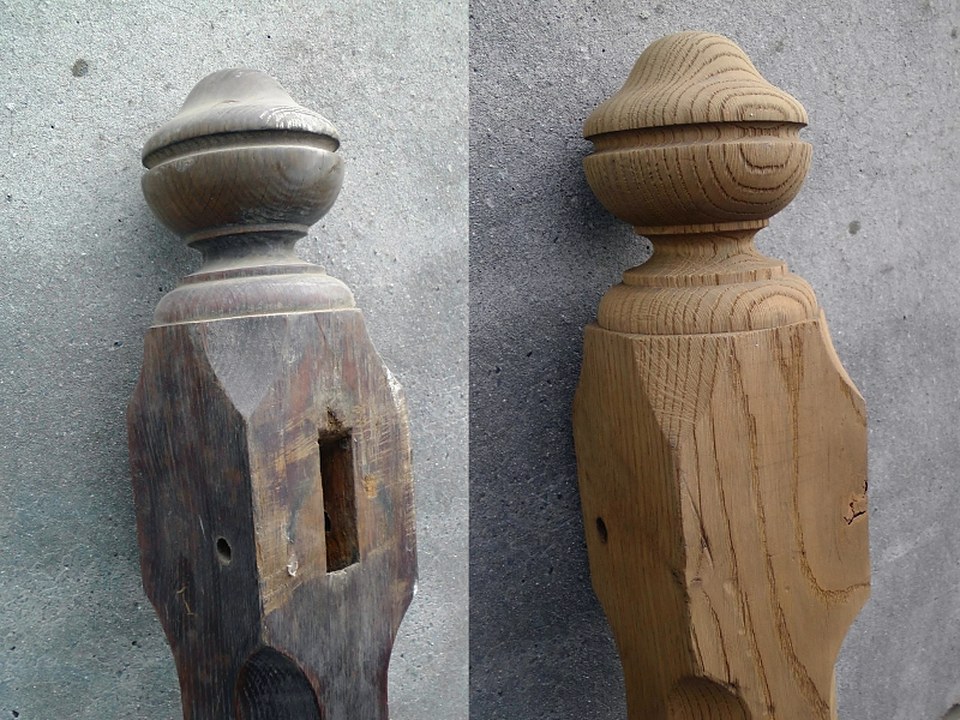
The result
The old paint comes off, the grain stays
To restore a staircase, a piece of furniture or a beam, the old layer has to come off first. After air-gumming, the grain, the mouldings and the turned work stay visible.
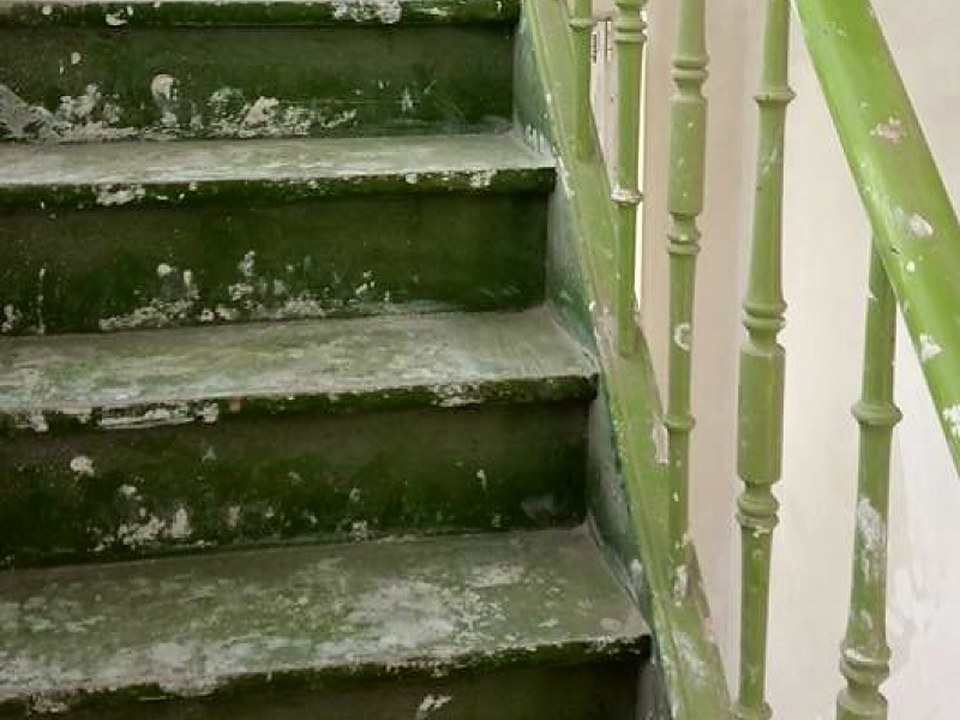
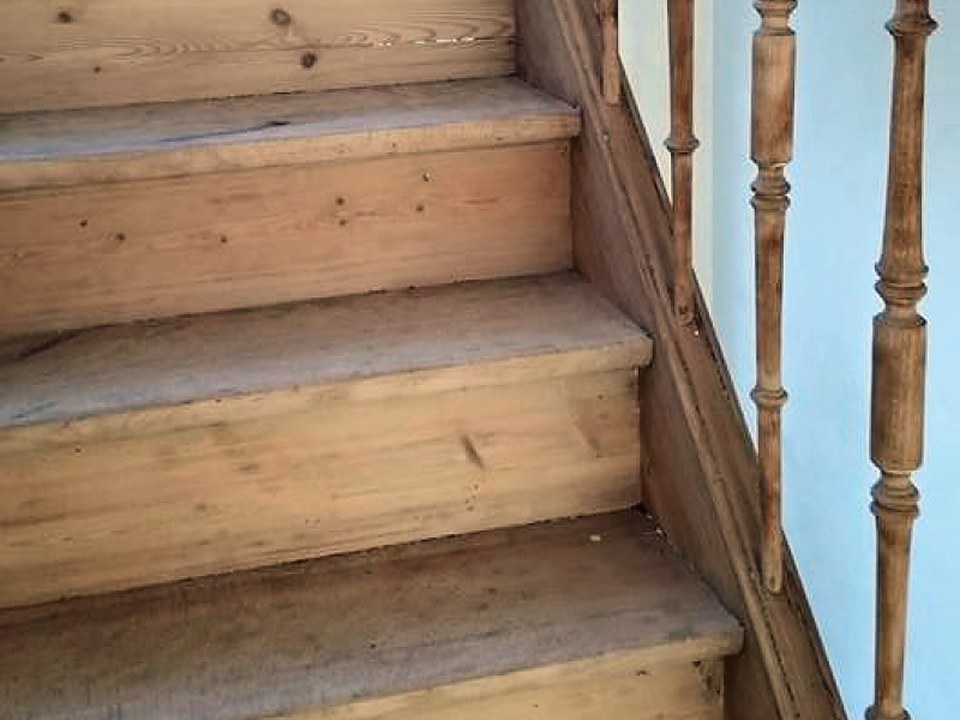
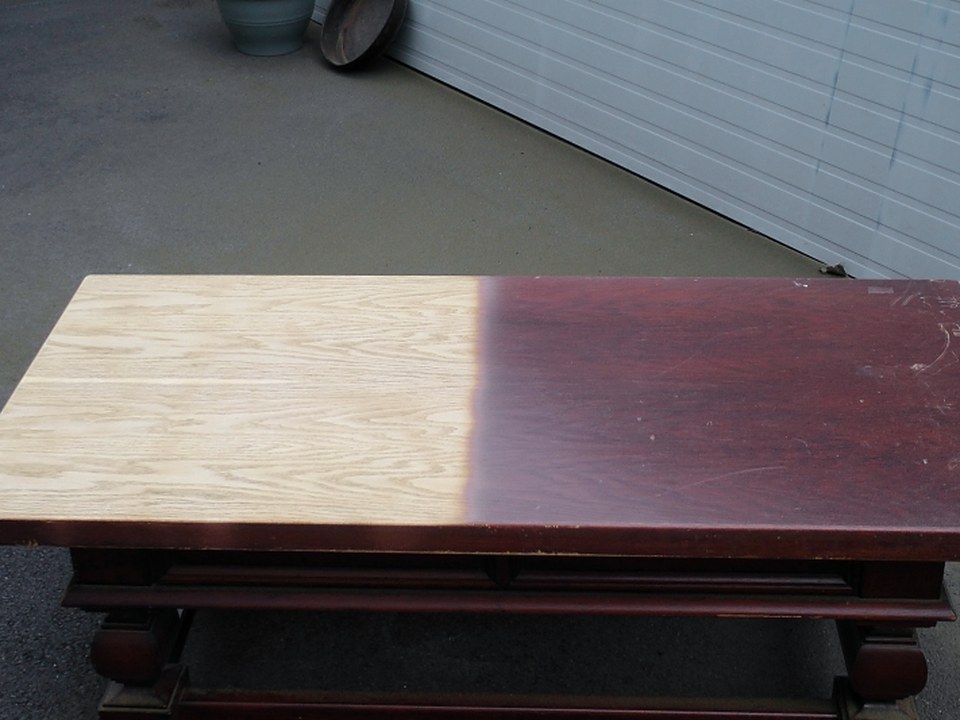
How it works
How air-gumming works with the MCS²
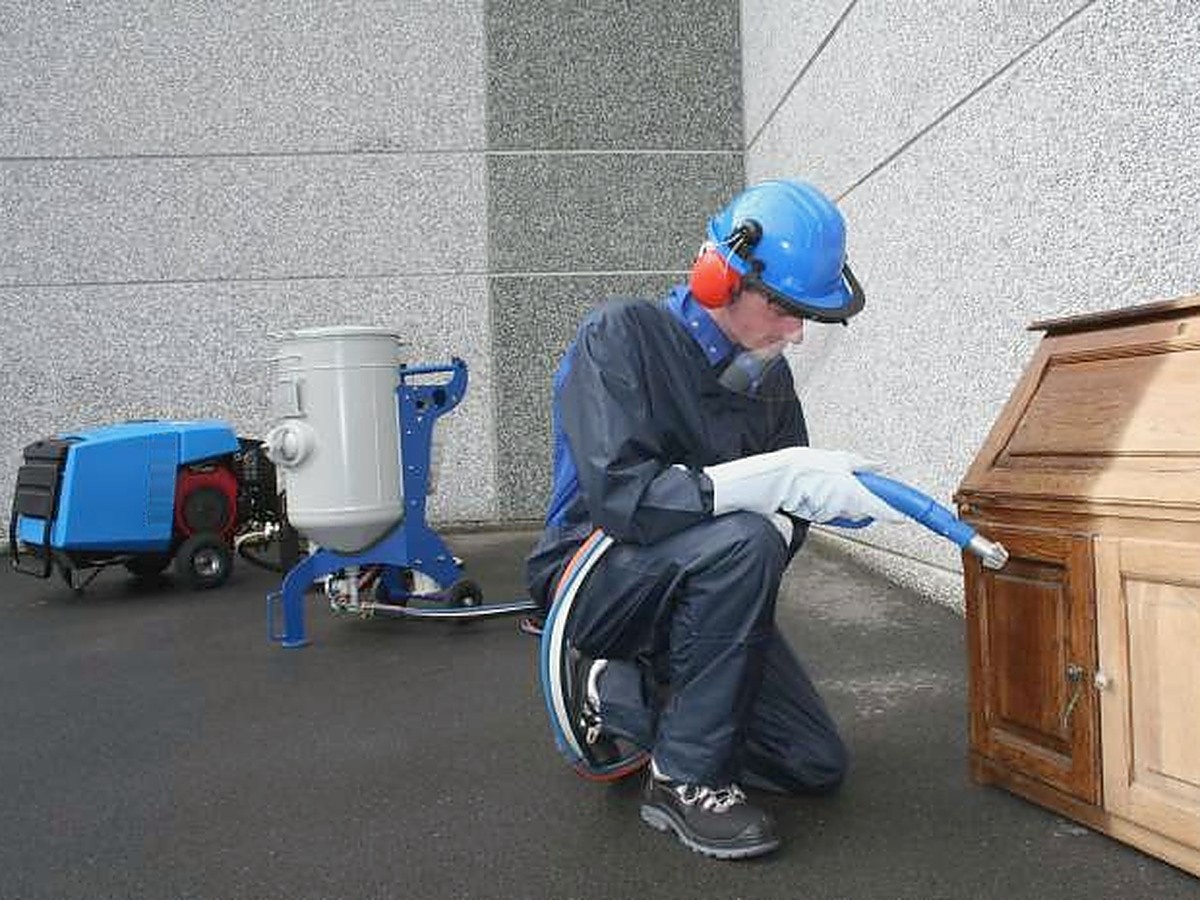
Air-gumming of wood is blasting at low pressure with a fine, homogeneous abrasive. The grain hits the wood at a shallow angle and takes the paint or dirt with it, without attacking the carrier. That is how the natural wood grain stays in place.
Mask off
Cover whatever has to stay clean. The abrasive spreads through the room.
Test on a hidden spot
A fine grain for soft wood, a slightly coarser one for thick layers of paint. Fix pressure, grain and distance on a spot that is out of sight.
Blast
Usually between 2.5 and 4 bar. On soft wood you lower the pressure so the grain does not wear away. You work with the dead man control on the blasting nozzle.
Clean up and finish
Sweep or vacuum up the abrasive, then lacquer, oil or stain.
Methods compared
Four ways to strip old paint from wood
Each method has its place. Here is how they compare.
| Method | Advantage | Drawback |
|---|---|---|
| Sanding | Cheap, and you do it yourself. | Many hours. Mouldings and corners are hard to reach. The wood can be damaged. |
| Chemical stripping | Works on several layers of paint at once. | Chemicals on site. The wood can discolour. Waste to dispose of. |
| Sandblasting | Fast, at high pressure. | Too harsh for wood. Dry blasting with sand is banned in Belgium. |
| Air-gumming | Low pressure, fine abrasive, mouldings preserved, no chemicals. | Needs a dedicated machine and some experience. |
Swipe the table to the left to see all columns.
Dry blasting with sand, or with abrasive containing more than 1% free crystalline silica, is banned in Belgium (Belgian Code on Well-being at Work). Air-gumming is done with abrasive that contains no free crystalline silica.
Other work too
Not just wood
With the same MCS² you work all year round, on site and in the workshop.
Cast iron and wrought iron
Balusters, bench legs and railings, derusted and stripped.
Natural stone and brick
Facades and stairs, at low pressure, so the stone is spared as much as possible.
Graffiti
Graffiti removal from facades and window frames, at a low pressure that spares the surface.
Metal and bodywork
Paint and rust off parts, ready for restoration.
Not sure your wood is suitable? Send a photo of the wood you want to treat. We'll tell you which abrasive and which setting suit it.
Advantages
Why professionals choose air-gumming with the MCS²
Low working pressure
Usually 2.5 to 4 bar, depending on the application. Gentle enough for wood, strong enough for paint.
One abrasive per substrate
Grains up to 250 microns for soft substrates such as wood, coarser grains for paint and harder surfaces.
No chemicals
No stripper, no rinse water, no chemical waste on site.
Mouldings stay crisp
Mouldings, corners and turned work come out clean without being sanded away.
Mobile
The MCS² fits in a small van. Stairs and beams stay where they are.
Works without a mains connection
The screw compressor runs on its own engine. On a site without power, you simply keep working.
References
They already work with Phibo
A selection of Phibo customers, across different industries.






The machines
On site or in your own workshop
The MCS² goes with you to the customer. If you mostly air gum in the workshop, you set it up in an air-gumming hall with extraction and recovery.
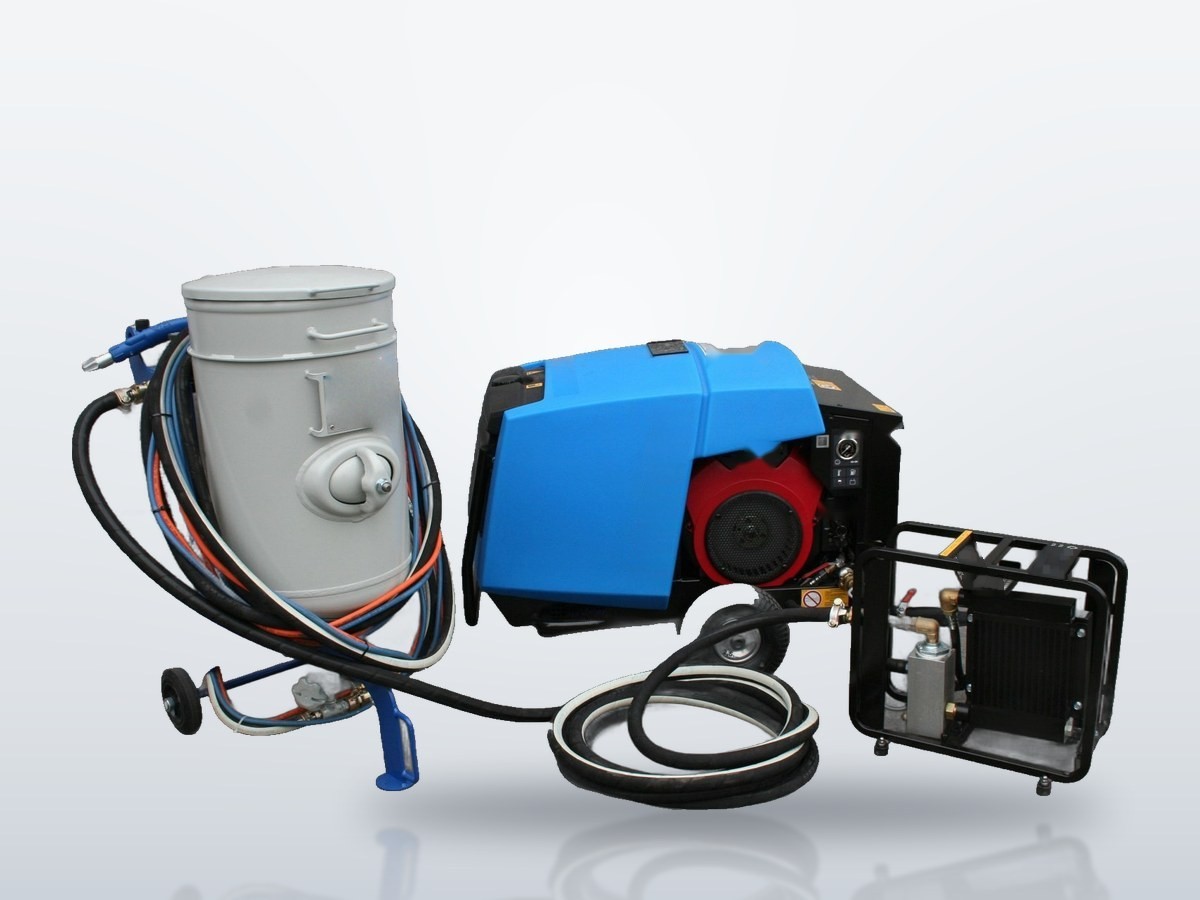
MCS² air-gumming system
Pressure vessel of 55 litres, blasting hose of 8 metres and its own screw compressor. Blast generator, compressor and aftercooler in one set.
View the MCS²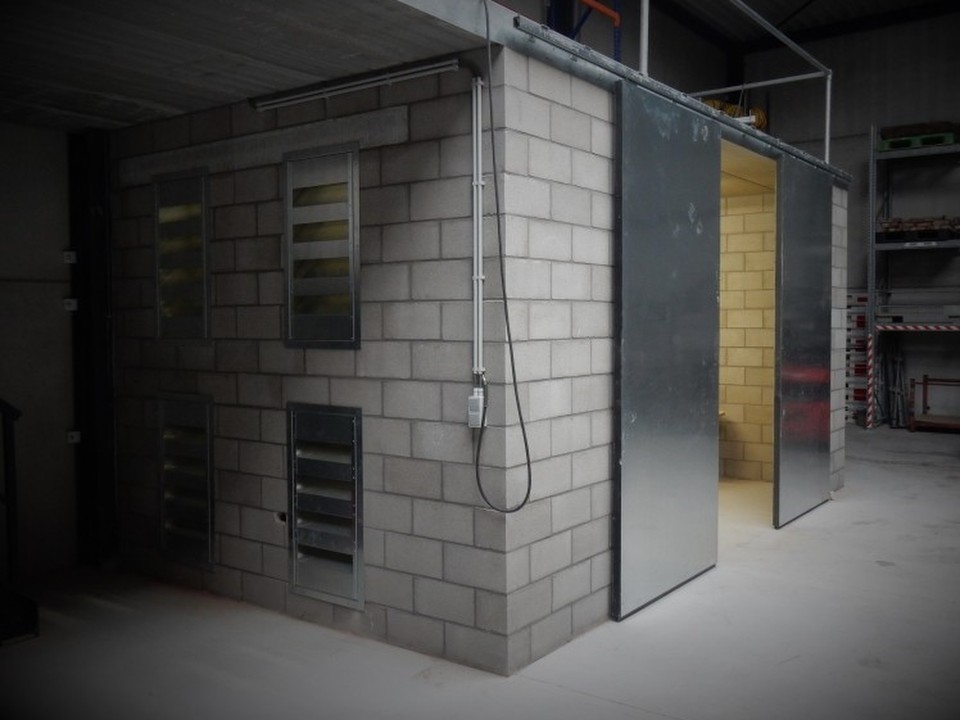
Air-gumming hall
An enclosed space built to size. Phibo calculates and draws the hall, then supplies and connects the ventilation, the transport and the recovery.
View the air-gumming hallThe MCS²: all technical data
| MCS² | |
|---|---|
| Pressure vessel | 55 litres |
| Abrasive content | 30 to 70 kg, depending on the bulk density |
| Working pressure | usually 2.5 to 4 bar, depending on the application |
| Blasting nozzle | boron carbide |
| Controls | pneumatic dead man remote control, with start and stop button in the nozzle holder |
| Blasting hose | 8 m |
| Air hose | 10 m, with safety couplings |
| Compressor | screw compressor with its own engine, up to 1,300 l/min |
| Engine power | 15.5 kW (petrol engine) |
| Compressed air | external aftercooler for condensate free air |
| Grain size | up to 250 microns for soft substrates, above 250 microns for paint and harder surfaces |
| Conformity | EC declaration of conformity for the complete system |
Swipe the table to the left to see all columns.
Frequently asked questions
Questions about air-gumming wood
Does air-gumming damage the wood grain?
It should not, provided the pressure and grain suit the wood. Air-gumming works at low pressure, usually between 2.5 and 4 bar, with a fine grain that hits the wood at a shallow angle. On soft wood you lower the pressure. Always fix the setting on a hidden spot first.
What is the difference between air-gumming and sandblasting?
Air-gumming works with low pressure and a fine abrasive. Sandblasting uses high pressure and harder grains. In Belgium, dry blasting with sand is also banned. More in Air-gumming versus sandblasting.
Which abrasive do you use for wood?
A fine grain, up to 250 microns for soft substrates, with no free crystalline silica. The right grain depends on the wood and the layer that has to come off. Phibo advises you on the choice.
Can I air gum veneer?
Always test on a hidden piece first, at low pressure. That way you see what the veneer can take before you start on the visible side.
How much compressed air do I need to air gum wood?
The MCS² has its own screw compressor, up to 1,300 l/min. So you do not need a separate compressor.
Do I need to sand the wood afterwards?
Usually lightly, yes. A light sanding is enough before you lacquer, oil or stain. Air-gumming leaves the wood structure visible.
What about the dust?
The abrasive spreads through the room. Cover whatever has to stay clean and wear the right protective equipment. With the water option, the MCS² works without dust. In the workshop, an air-gumming hall captures the dust with extraction.
Consumables
Get the abrasive from Phibo too
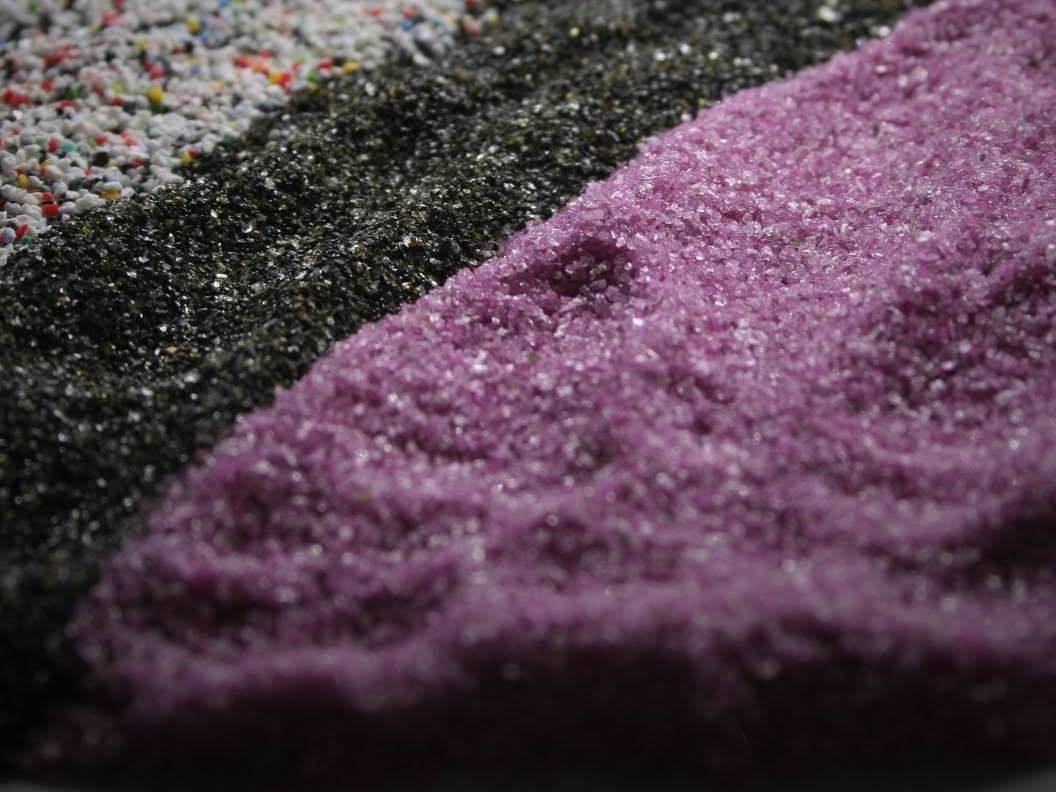
Which grain suits which substrate depends on the wood, the layer that has to come off and the finish you want. Phibo supplies abrasives from its own range, with no free crystalline silica, and advises you on the choice.
Your installation keeps running
Maintenance, repair and spare parts, directly from Phibo, by our own technicians.
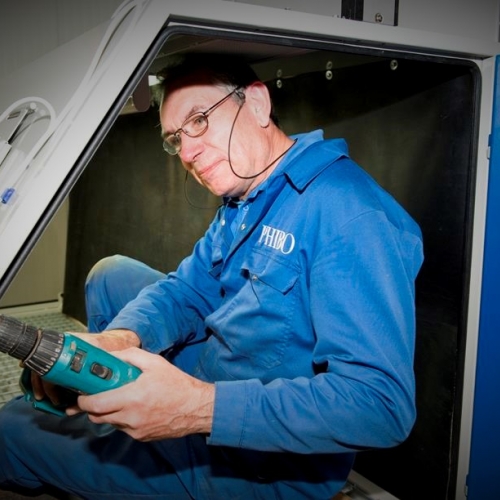
Maintenance
Preventive maintenance in our workshop or at your site. After every service your settings and consumption are reviewed.
More about this service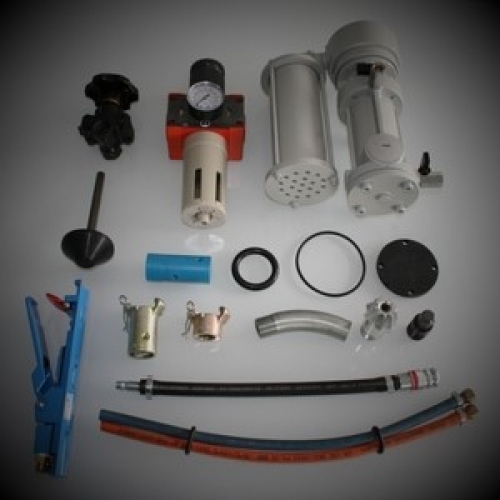
Spare parts
Blast pots, hoses, guns, rubber flaps and filter cartridges from stock. Non-standard parts we make ourselves.
More about this service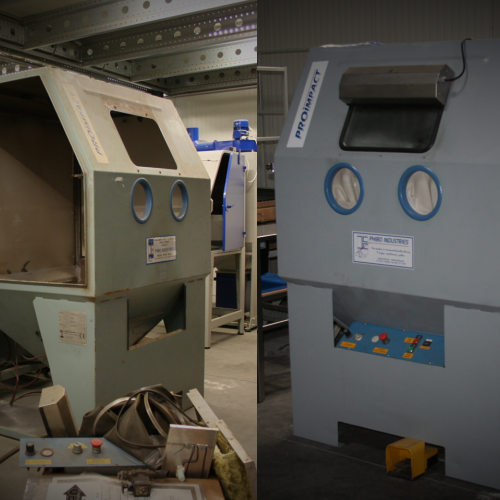
Revision and retrofitting
Modernise an existing installation or convert it to a new process. Revised second-hand installations too.
More about this service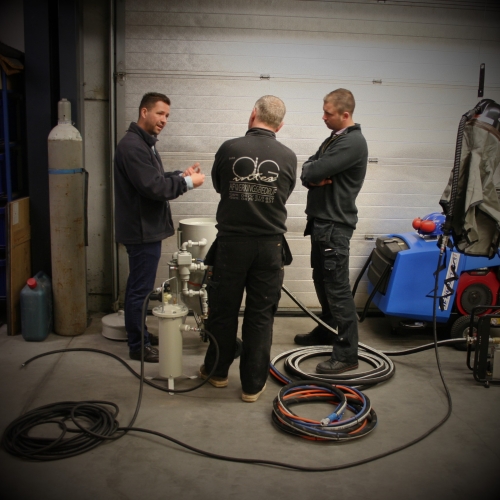
Training
Hands-on training at commissioning, standard with SublimotionProcess® and on request with the other installations. When staff change, we repeat it to suit your team.
More about this serviceRequest
We call you and go through your application
Fill in what you know below, and we go through the rest together on the phone.
- What you want to air gum: stairs, furniture, beams, doors or facades
- How many m² or pieces per week
- Which layer has to come off: paint, lacquer, varnish or dirt
- Whether you work on site or in your own workshop