Surface technology specialist since 1988
References, industry by industry
Surface technology covers the cleaning, blasting and protection of a surface, so that a part can withstand the next operation or its final application. We supply the installations that do it, with the blasting media, the cleaners and the service.
- Nine categories of parts washers, seven types of dry blasting installation
- Customers from Benelux to Poland and Romania
- Our own service technicians and our own spare parts warehouse
- Full specifications for every model, down to the connected load
They rely on Phibo surface technology
For each industry, a selection of the companies where our installations run, and what has to come off the parts there.
Aerospace and defence
Taking oil, grease and oxidation off engine, structural and landing gear parts, within fixed process parameters. Usually an aqueous parts washer or a manual blast cabinet with glass beads.





Automotive and transport
Engine blocks, drive shafts, brake and body parts covered in oil, grease, cutting fluid and swarf, one by one or in series. From top loader to conveyor washer.





Chemicals and petrochemicals
Cleaning and blasting pipework, valves and reactor parts, with corrosion inhibiting cleaners. A blast cabinet or a blast room, depending on the part.




Food, pharma and medical
Taking product residue, grease and deposits off tanks, pipework and machine parts in stainless steel. For this industry there is SublimotionProcess®, against discolouration, bacterial growth and corrosion.


Metals and steel
Taking mill scale, rust and swarf off moulds, rolling mill parts, wire and profiles. From microblasting equipment to a full blast room.




Rubber and plastics
Cleaning moulds and formed parts without attacking the surface, with plastic media, glass beads or ultrasonics.


Energy, nuclear and offshore
Taking rust, oil and grease off pumps, valves, pipe sections and structural parts, in installations with the extraction and filtration required.



Rail, marine and infrastructure
Derusting and blasting structural parts, spare parts and bogies, fixed in the workshop or mobile on site.





Mechanical engineering and the finishing and renovation sector also run Phibo installations.
These companies vet their suppliers, Phibo supplies them
The range runs from a manual blast cabinet and a top loader from 150 kg per load up to a full blast room.
The installations that do that work
The right installation depends on three things: what soiling has to come off, on which parts, and at what rate.
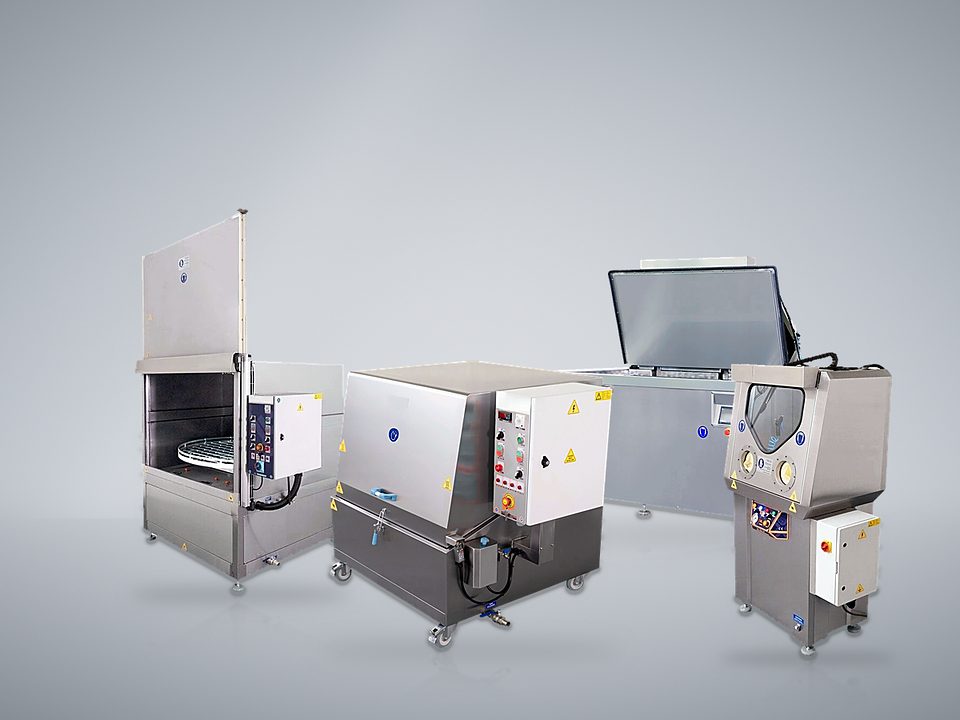
Industrial parts washers
Top loaders, front loaders, high-pressure parts washer cabinets, manual parts washers, conveyor and immersion parts washers, from 50 to 1000 kg per load.
View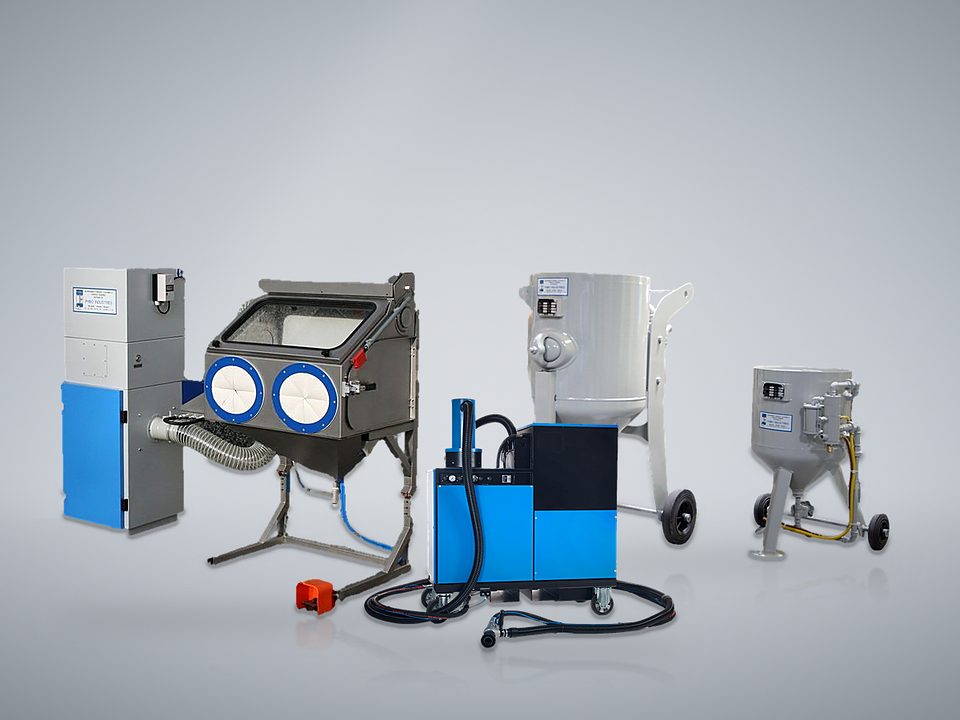
Dry blasting installations
Manual blast cabinets, blast rooms, blast pots and microblasting equipment.
View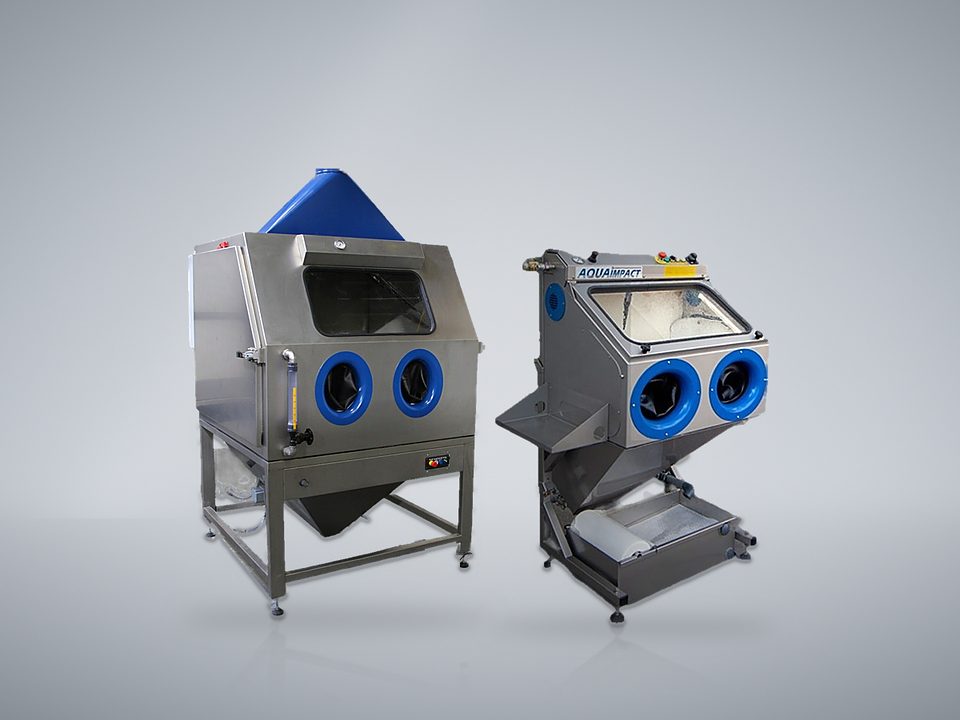
Wet blasting cabinets
Blasting with water and abrasive together. The water binds the dust and gives a finer finish.
View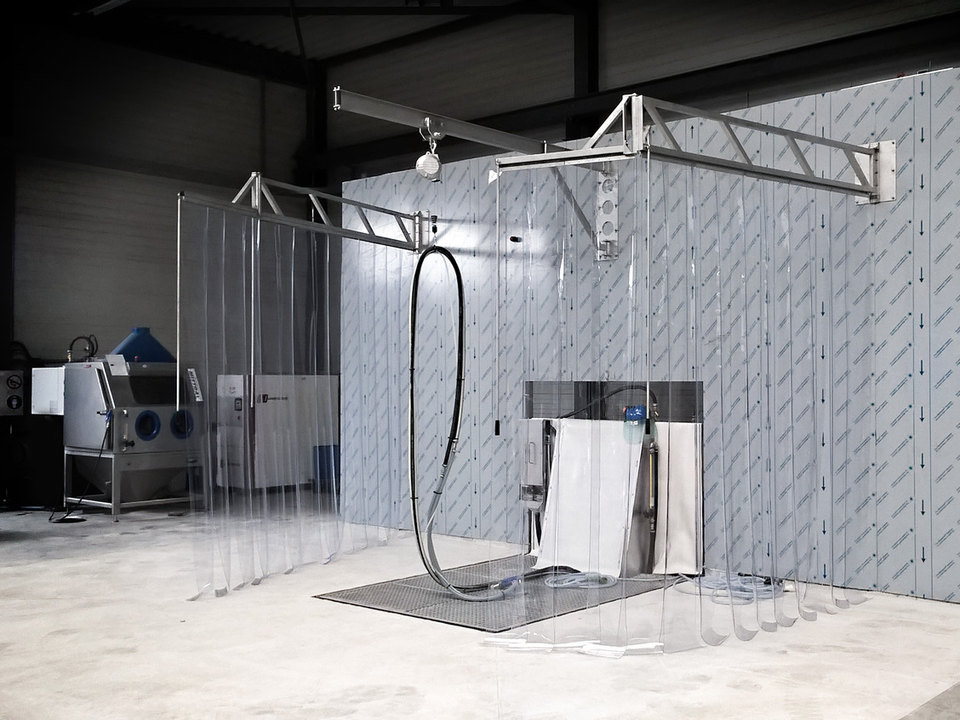
SublimotionProcess®
Patented treatment that protects stainless steel against discolouration, bacterial growth and corrosion.
ViewWhat goes into the machine, from our own warehouse
Blasting media, cleaners and protective equipment are ordered directly from us, in the same delivery as your spare parts.
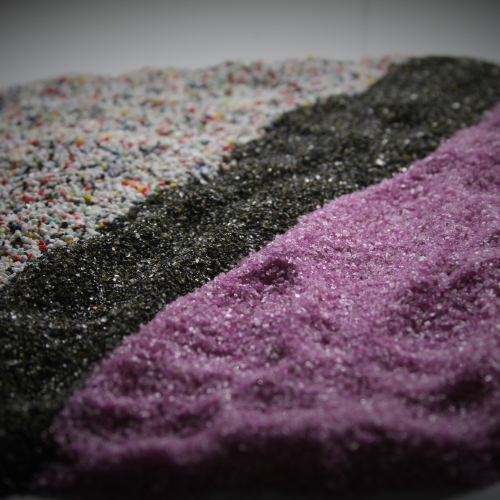
Blasting media
Glass beads, ceramic beads, plastic media, brown, white and rose aluminium oxide, steel shot and grit, walnut shell and soda.
View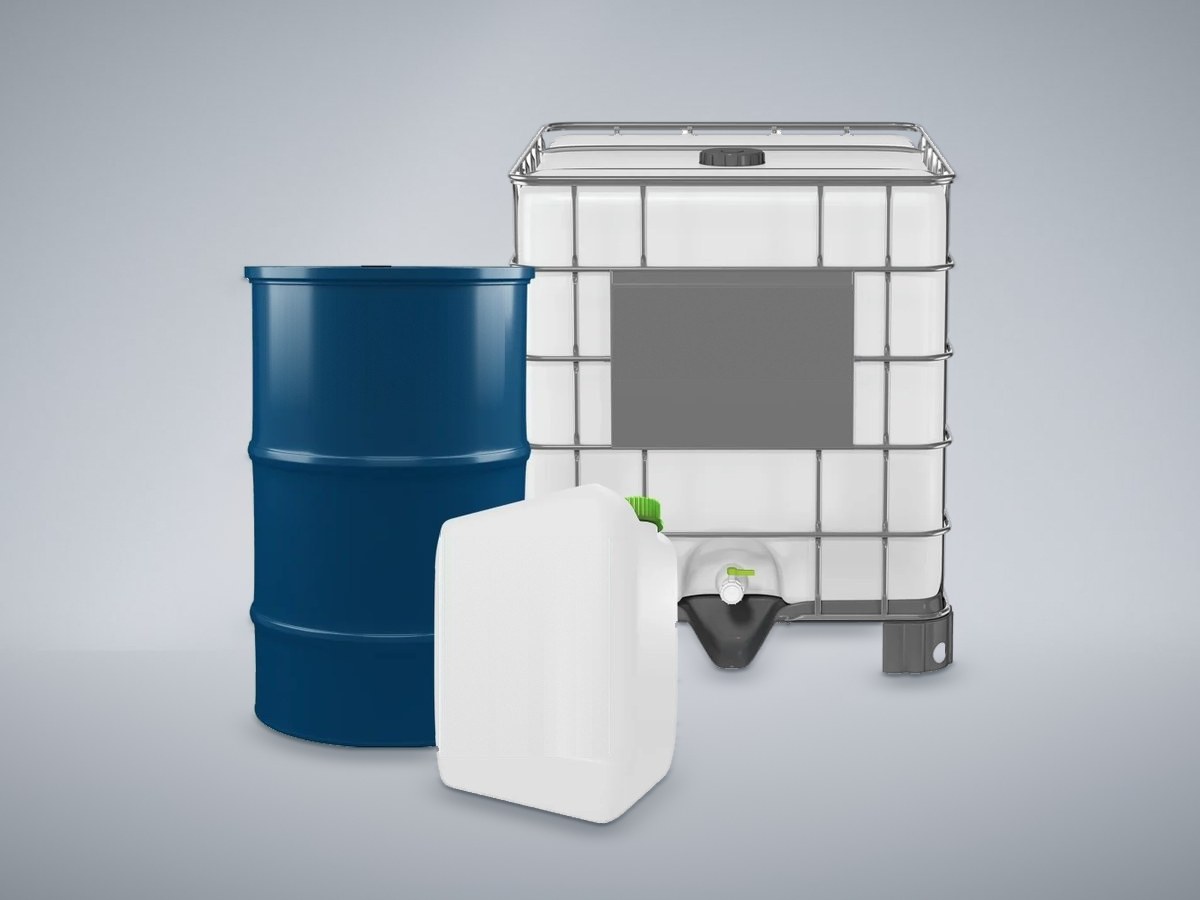
Cleaners and process fluids
Corrosion inhibiting cleaners, defoamers, disinfectants and the fluids for blacking.
View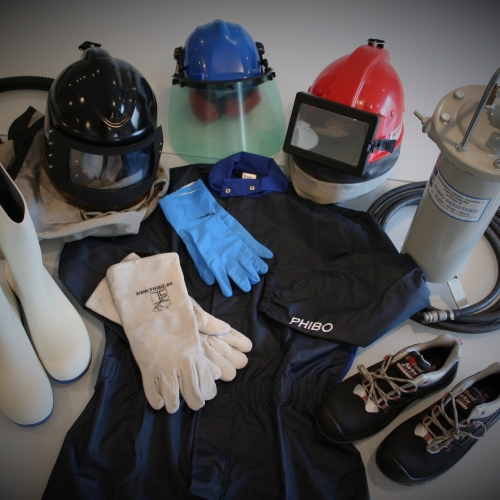
Protective equipment
Blast helmets, breathing air filters, climate control, blast suits, gloves and safety footwear. CE marked.
ViewA maintenance contract on your installation
Servicing, repair and spare parts are arranged directly with Phibo, by our own service technicians. Ask what a maintenance contract covers for your installation.
Tell us what gets dirty at your plant
Tell us which parts get dirty at your plant, what soiling sits on them (oil, grease, cutting fluid, swarf or mill scale) and how many parts a day. We call you and go through your application. You then receive a proposal with the full specifications.