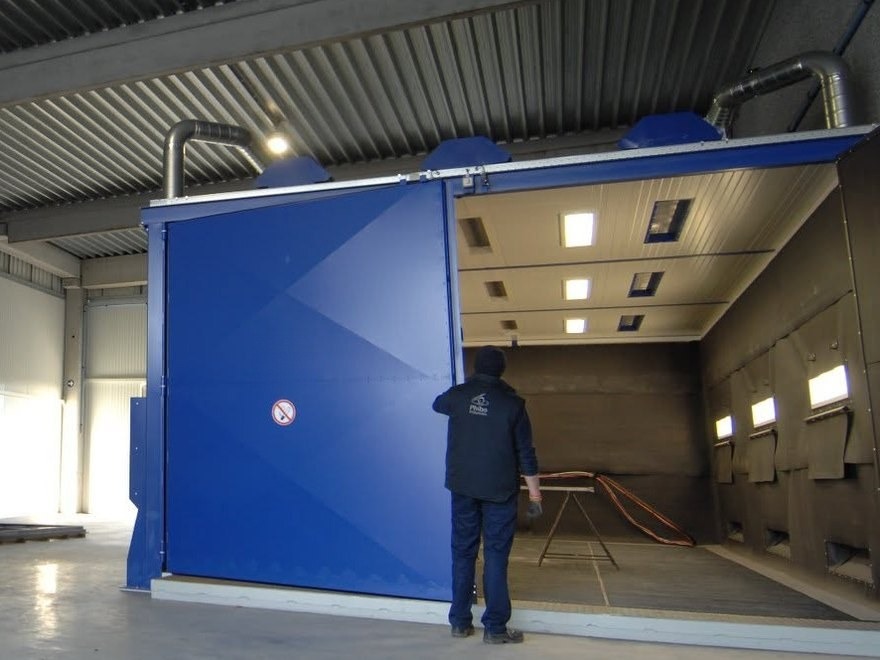
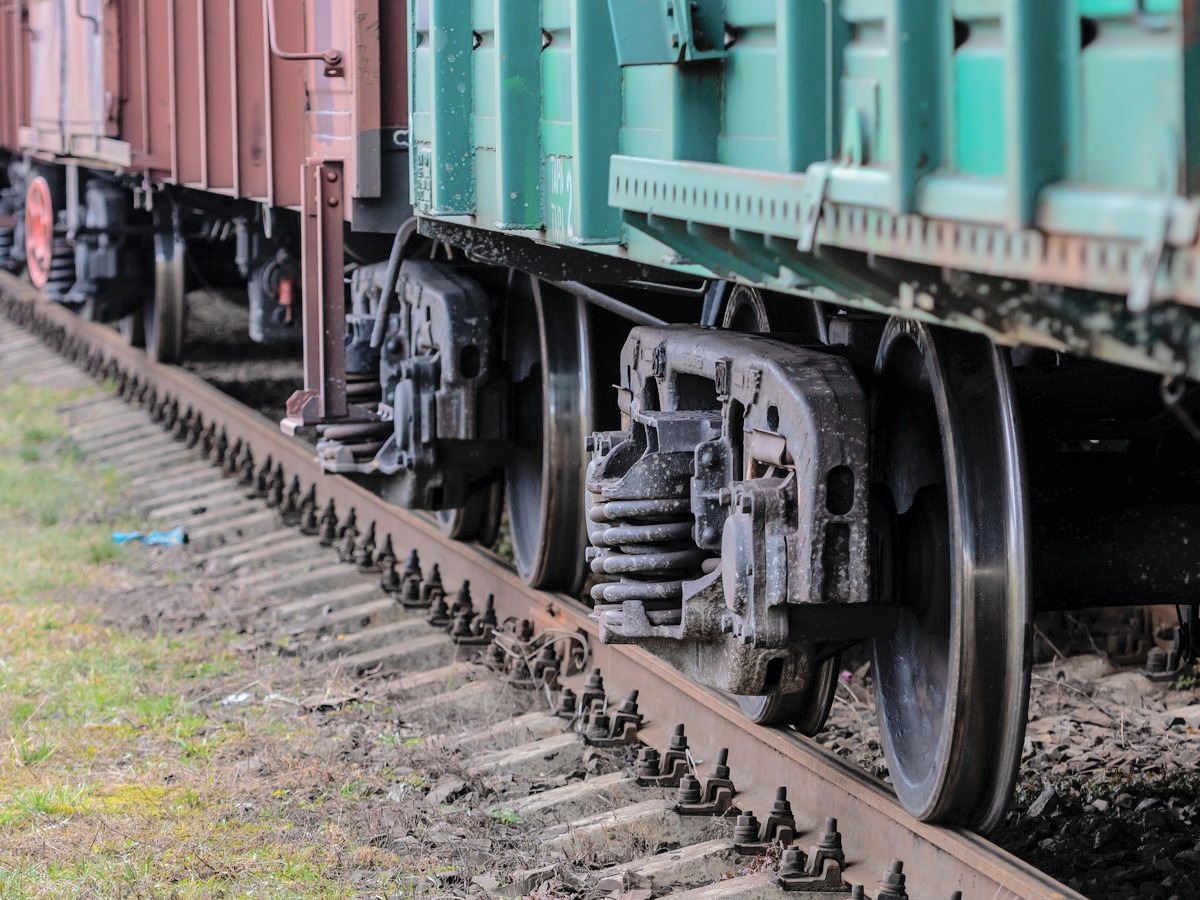
Where do you blast a bogie during overhaul?
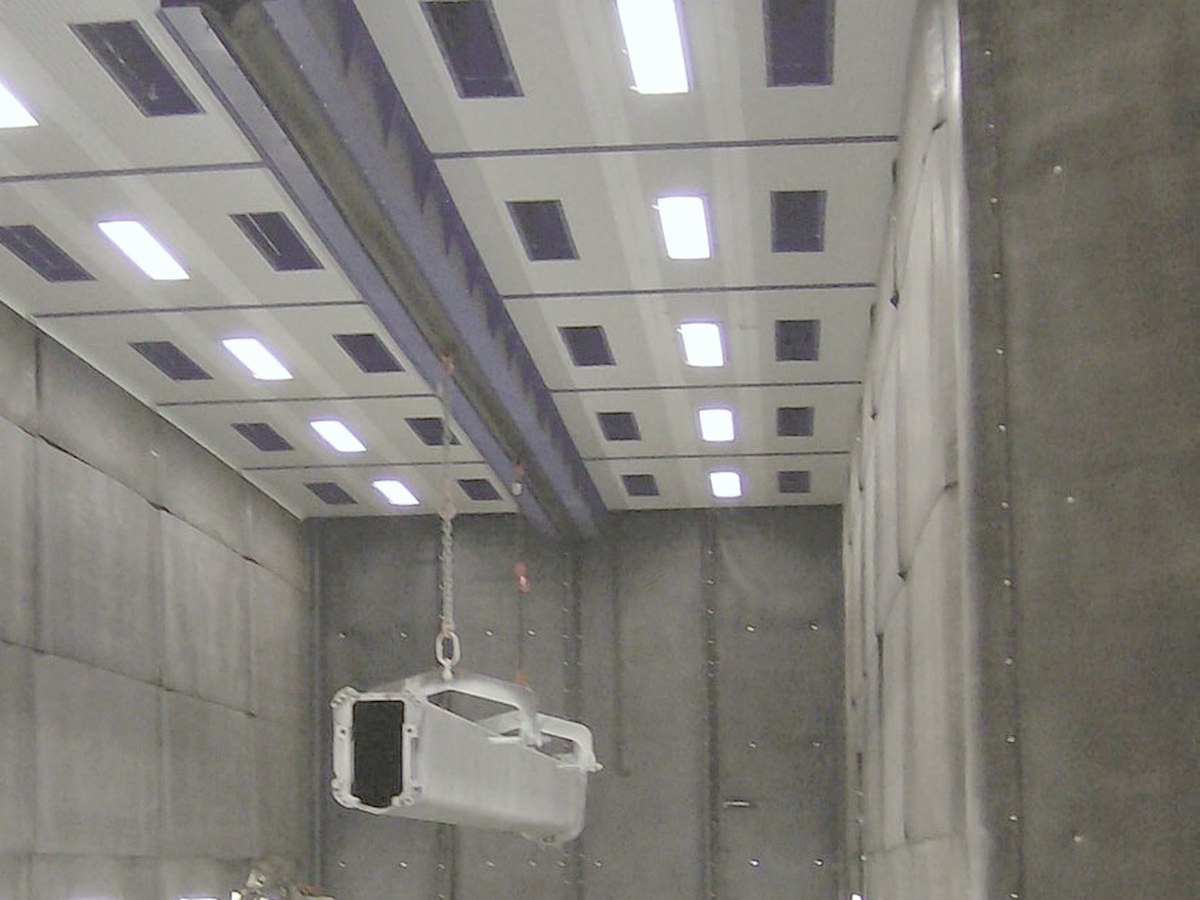
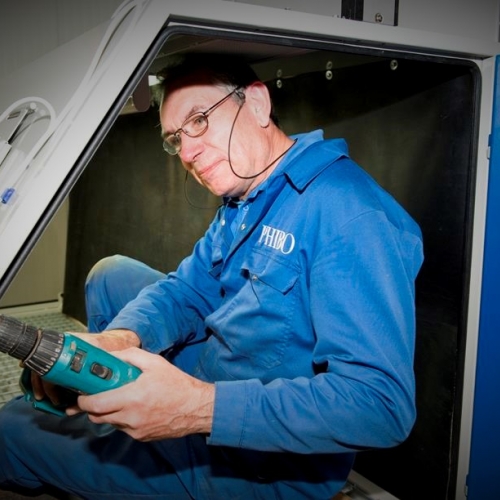
In a blast room or a walk-in cabin, which the operator steps into. The size follows from the largest part, with at least 1.20 m of free space all round, and from the number of operators blasting at the same time. The scraper strips fit between rails, and heavy parts stand directly on heavy duty gratings.
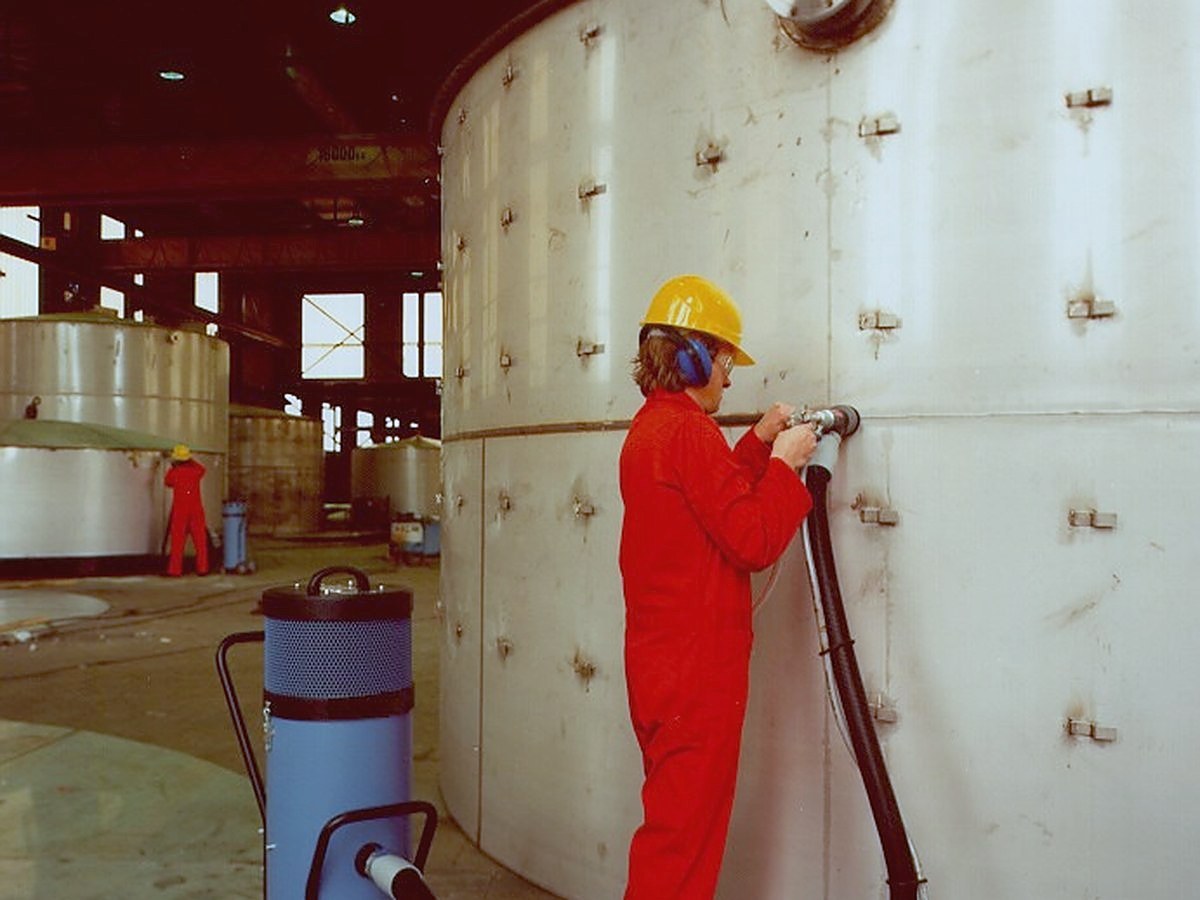
Can a steel structure be blasted on site without dust?
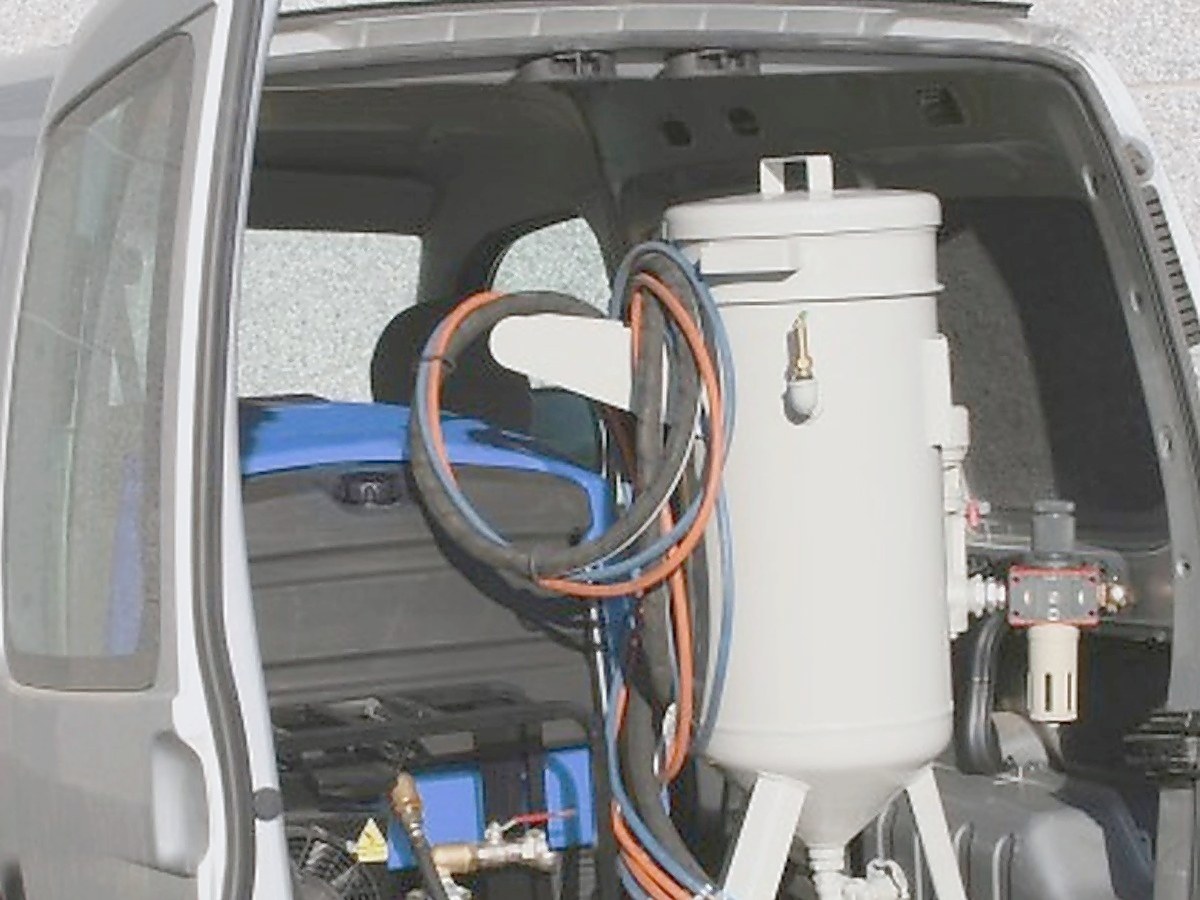
Yes, with vacuum blasting in a closed circuit. The blast head projects the abrasive and draws it back in at the same time, so the abrasive and the loosened dirt stay in the machine. You do not cover the surroundings and you leave the floor clean.
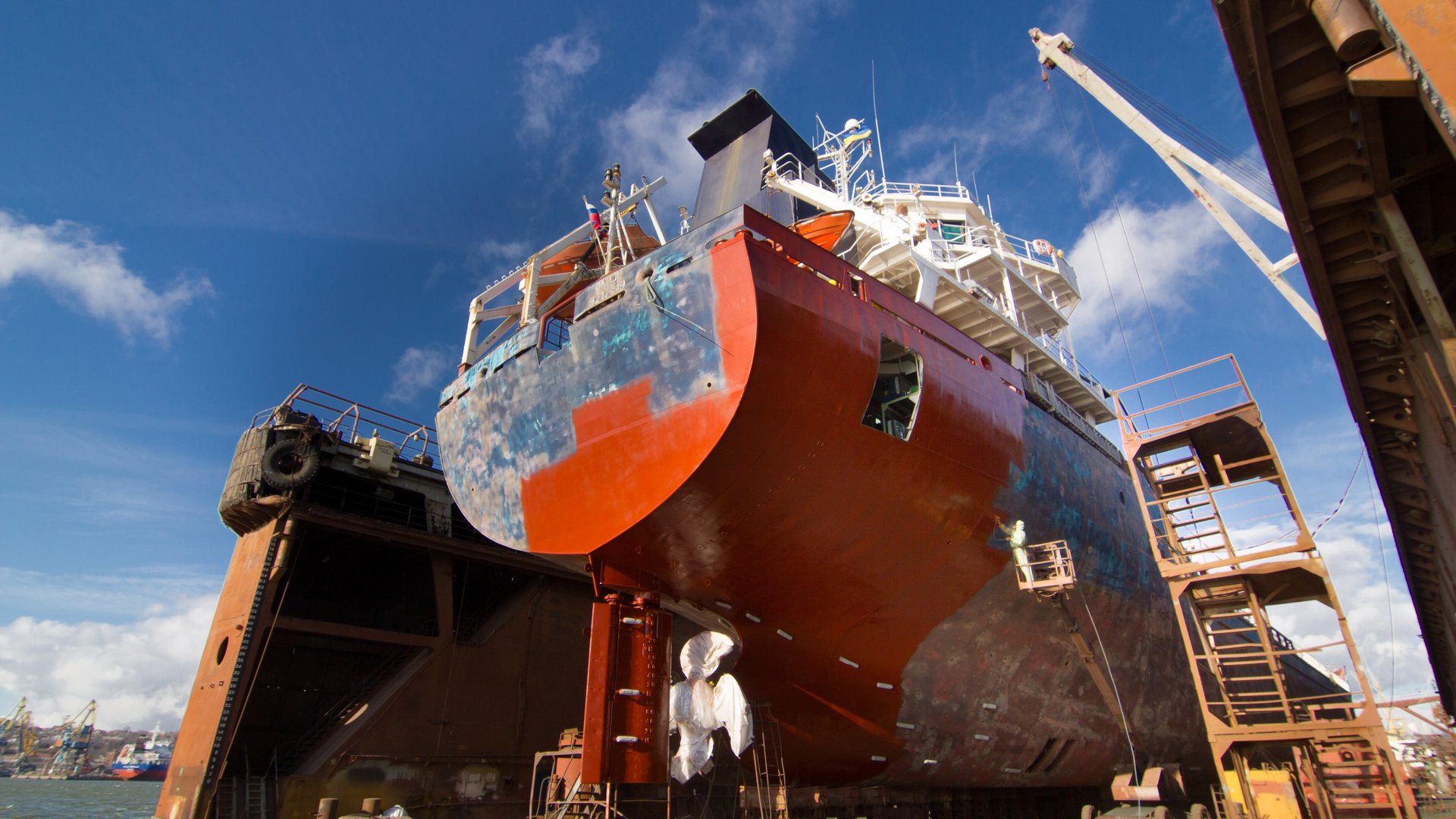
Which blasting equipment do shipyards use for steel plates and hulls?
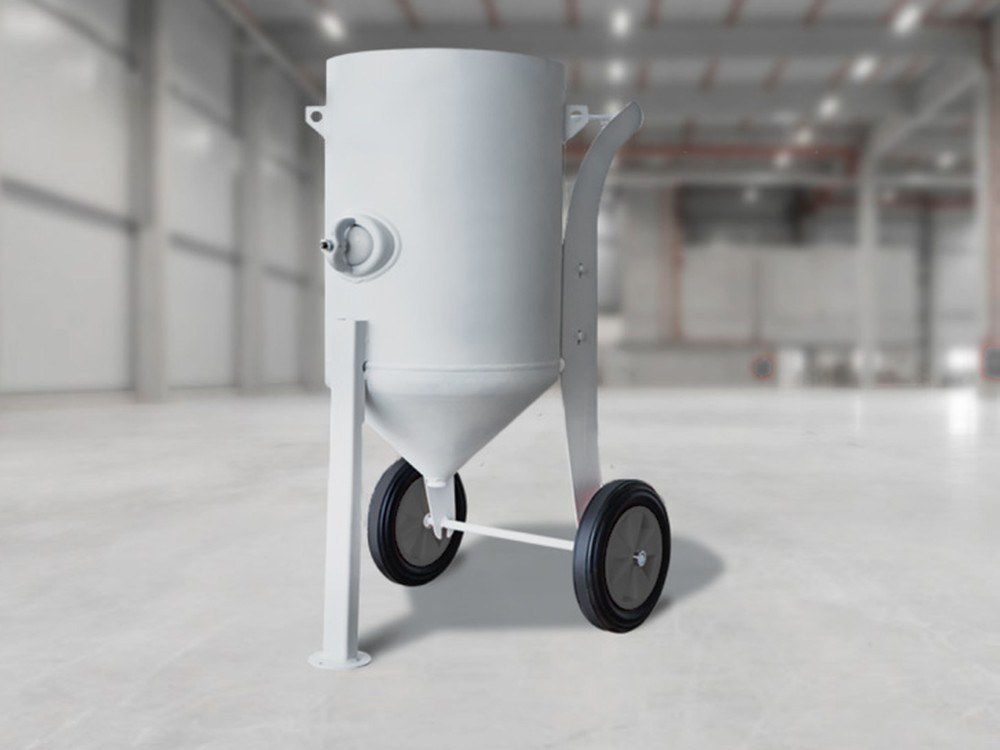
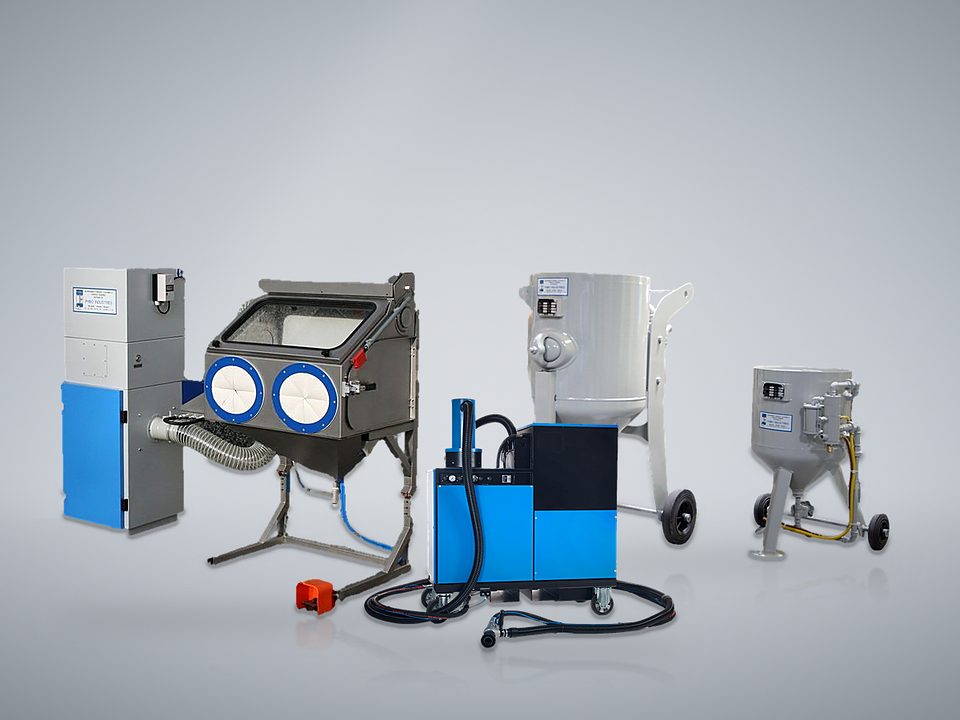
Shipyards blast steel plates and hulls with a blast pot, mobile on a wheeled chassis or fixed on legs. Phibo supplies them from 20 to 300 litres, for the workshop and for the large surfaces at shipyards. Large parts that can go to the workshop are blasted in a blast room.
Is sandblasting still allowed?
Not in Belgium. Dry blasting with sand or with an abrasive containing more than 1% free crystalline silica is banned there (Belgian Code on Well-being at Work), also in a closed installation. Phibo blasting media such as steel grit and aluminium oxide contain no free crystalline silica.
Can I blast on a site without power?
Yes. On the MCS² and MVS² the compressor runs on its own engine. The vacuum blasting machines come in a fully pneumatic version, depending on whether you have power on site.
Which companies work with Phibo in rail, marine and infrastructure?
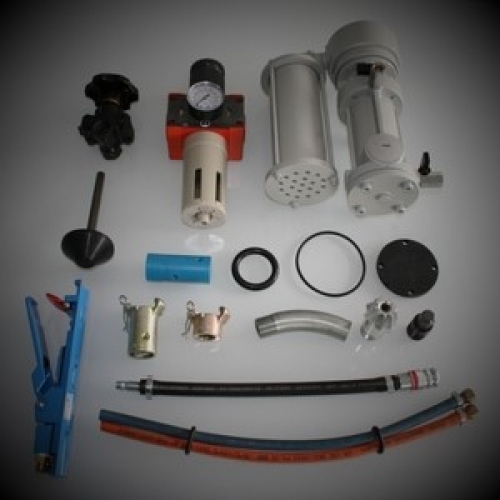
NMBS/SNCB, De Lijn, Aquafin, Bolier and TVH, among others. Since 1988 Phibo has supplied surface treatment installations from Ronse, Belgium, with its own service technicians and its own spare parts warehouse.