Skip to content
Specialist since 1988

Applications by industry

Automotive surface treatment and cleaning

Automotive surface treatment covers cleaning engine blocks and cylinder heads, wet blasting carbon deposits off valves and pistons, selective paint stripping and automated blasting of large batches. Phibo supplies the parts washers, wet blast cabinets, blast cabinets and robot cells for automotive and transport.

  • Our own service technicians and our own spare parts warehouse
  • Customers from Benelux to Poland and Romania
  • Surface technology specialist since 1988
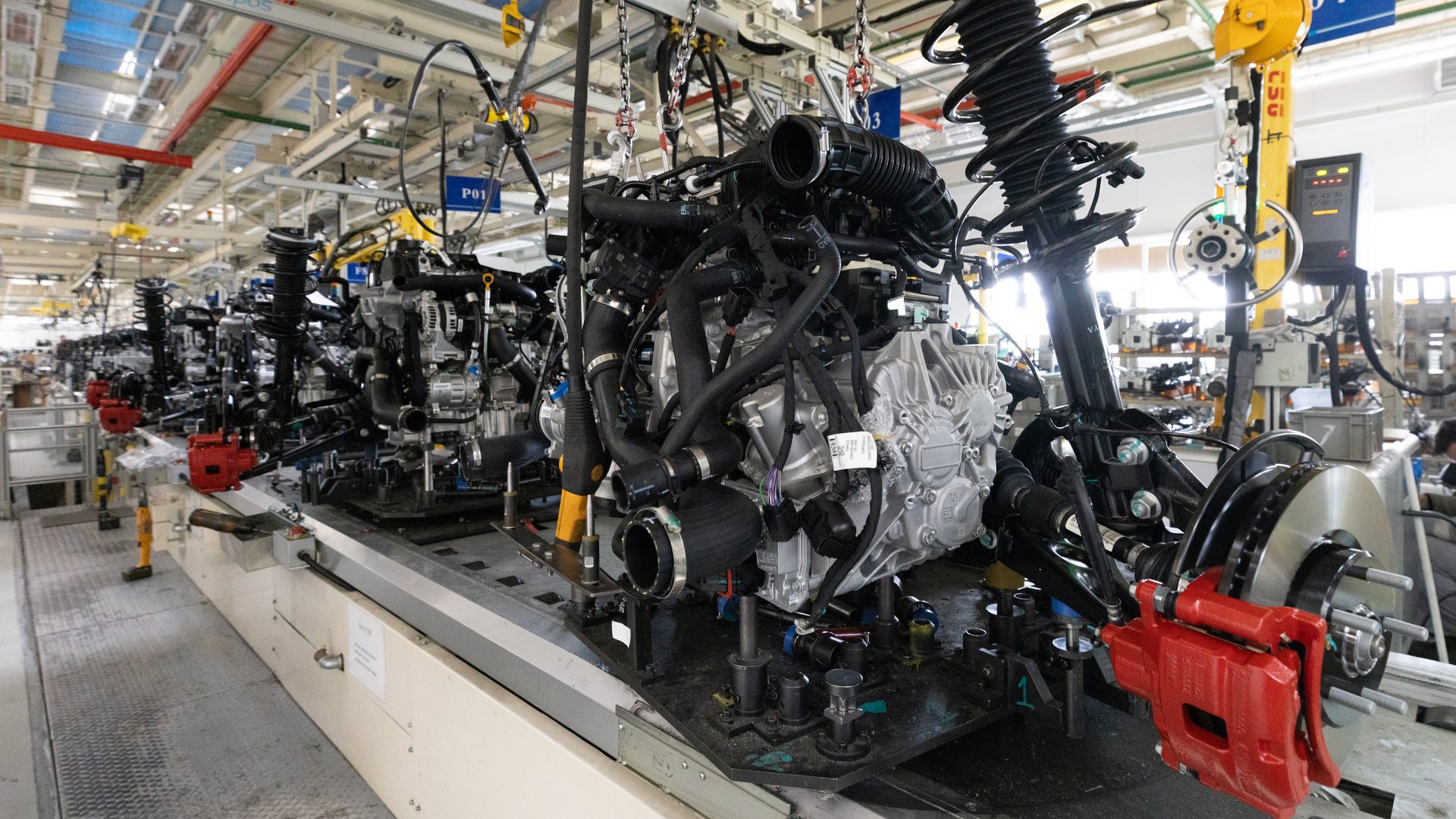
Powertrains with engine, gearbox and brake disc on an assembly line

These automotive and transport companies work with Phibo

ScaniaZFBraemC&C PartsUDF Automotive

What gets treated in automotive and transport

In automotive and transport, it comes down to three things. Removing oil, grease and carbon deposits from engine parts, stripping paint and coatings selectively, and blasting series of identical parts the same way every time, before assembly, overhaul or coating.

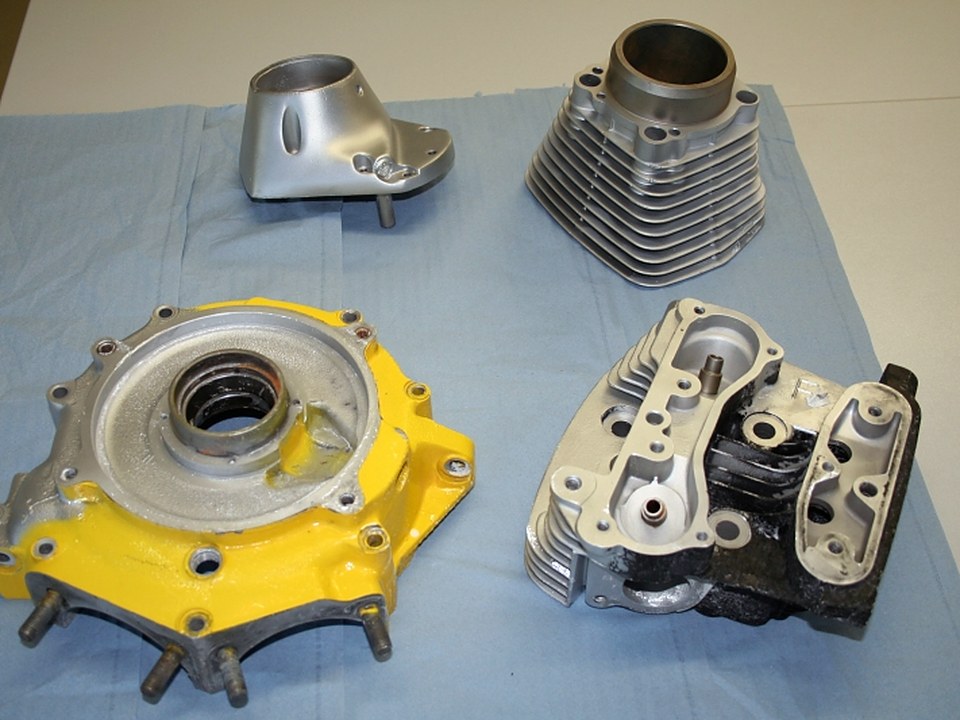
Engine parts partly cleaned, partly still with paint and carbon deposits

Aqueous cleaning

Cleaning engine blocks and cylinder heads

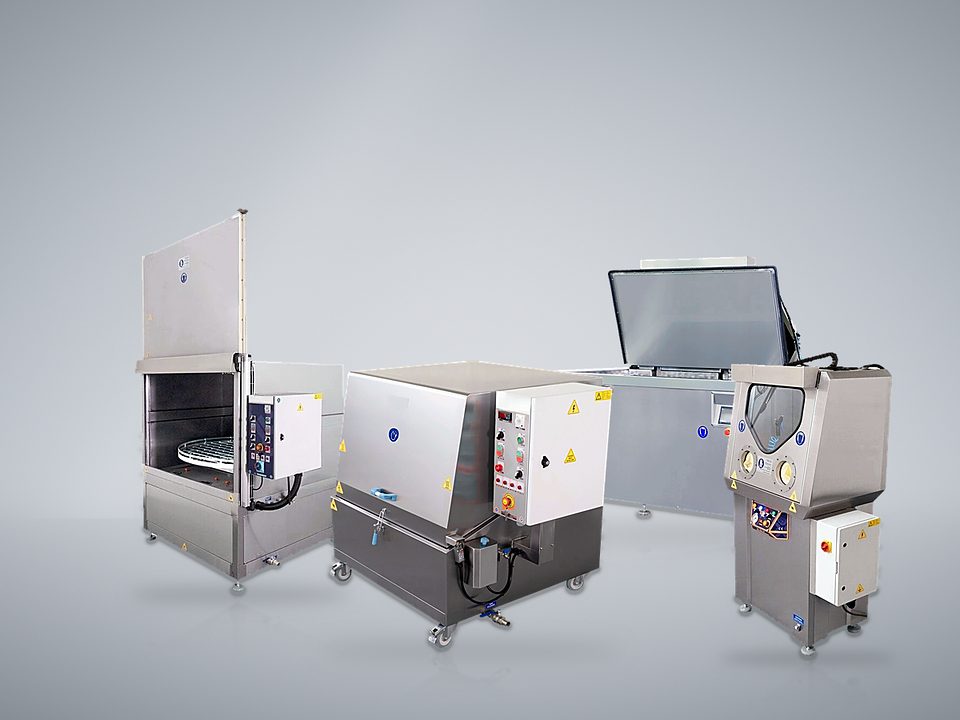
Oil, grease, coolant and chips come off in a parts washer, part by part or in series. The part sits on a rotating basket and is sprayed from all sides with heated water and detergent. Heavy blocks go into a front loader that you load with a crane or forklift.

EquipmentTop loading parts washersFront loading parts washers

View the application →

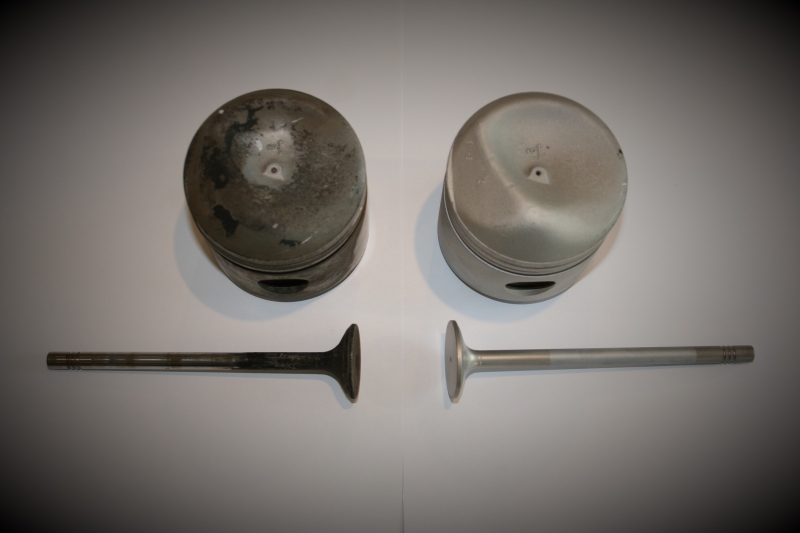
Piston and valve with carbon deposits next to a wet blasted piston and valve

Wet blasting

Removing carbon deposits from valves and pistons

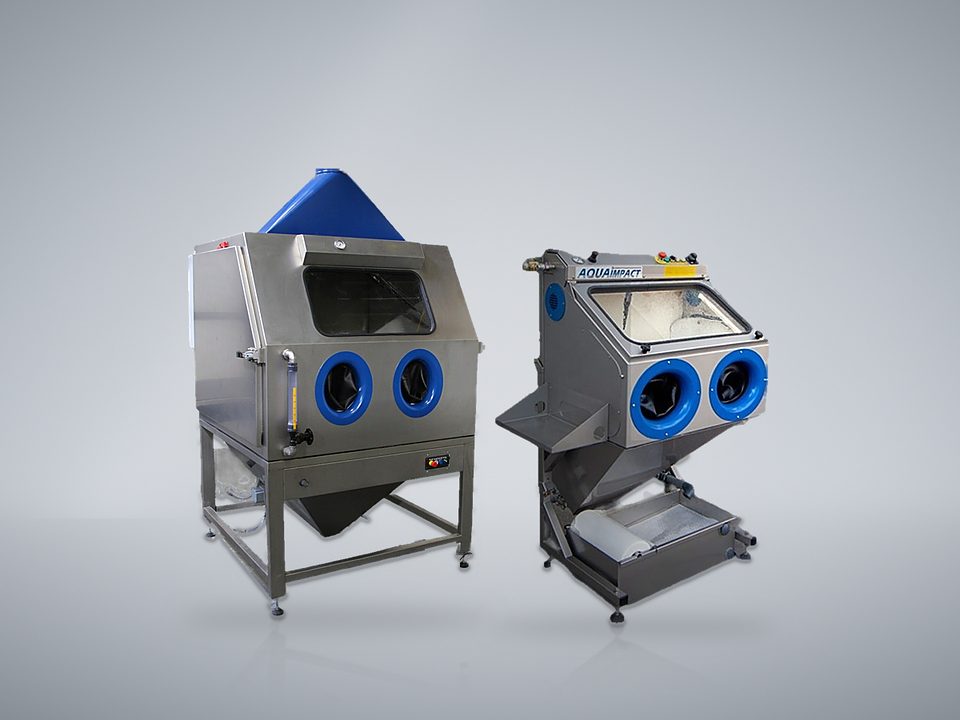
Wet blasting removes carbon deposits from valves, pistons and cylinder heads, and also from alternators, brake calipers and starters. The part is degreased and cleaned in the same treatment, without dust.

EquipmentWet blast cabinets

View the application →

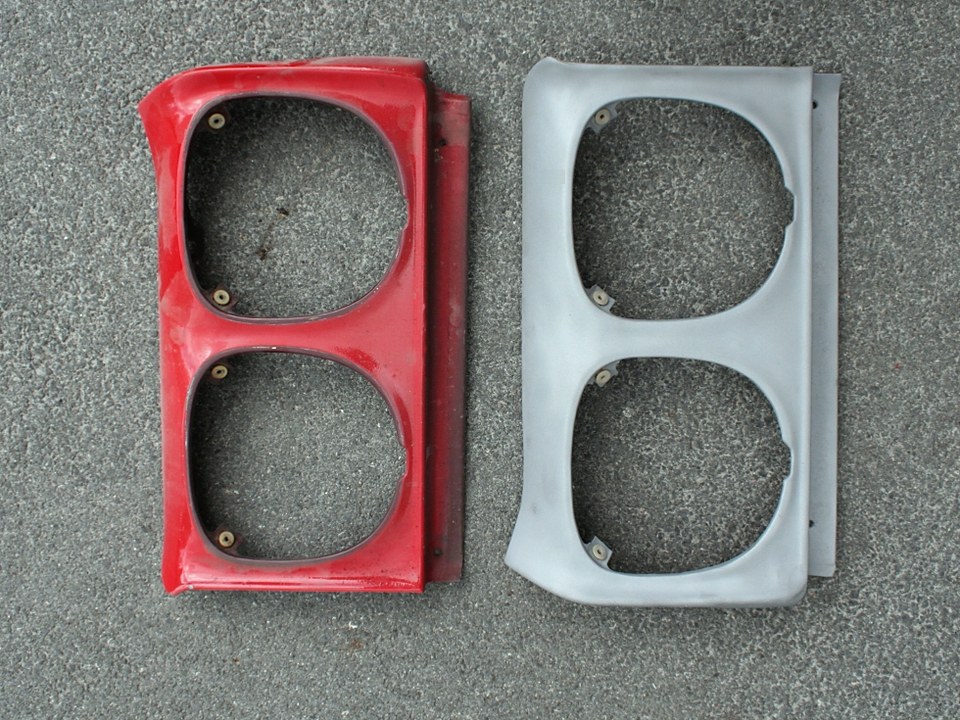
Red painted headlamp surround next to the same surround after paint stripping

Dry or wet blasting

Selective paint and coating stripping

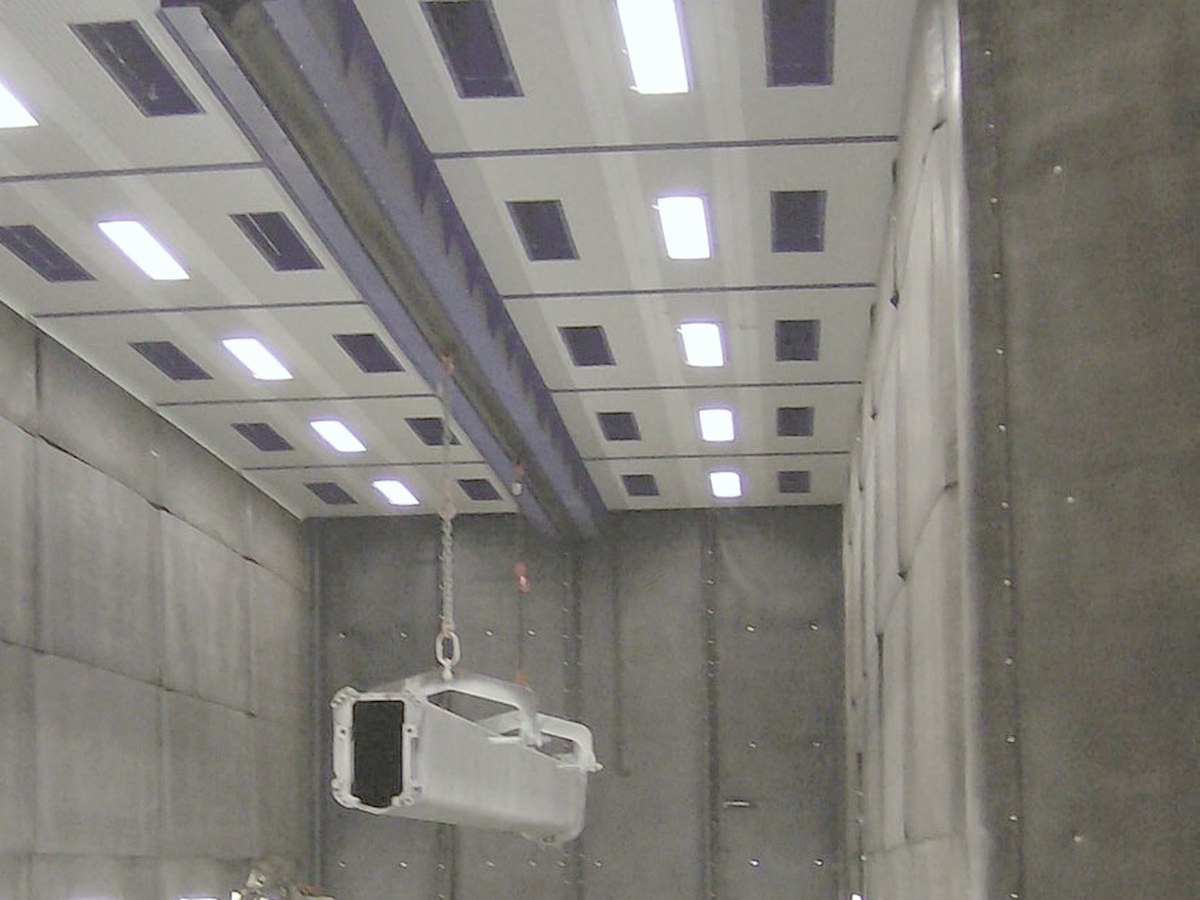
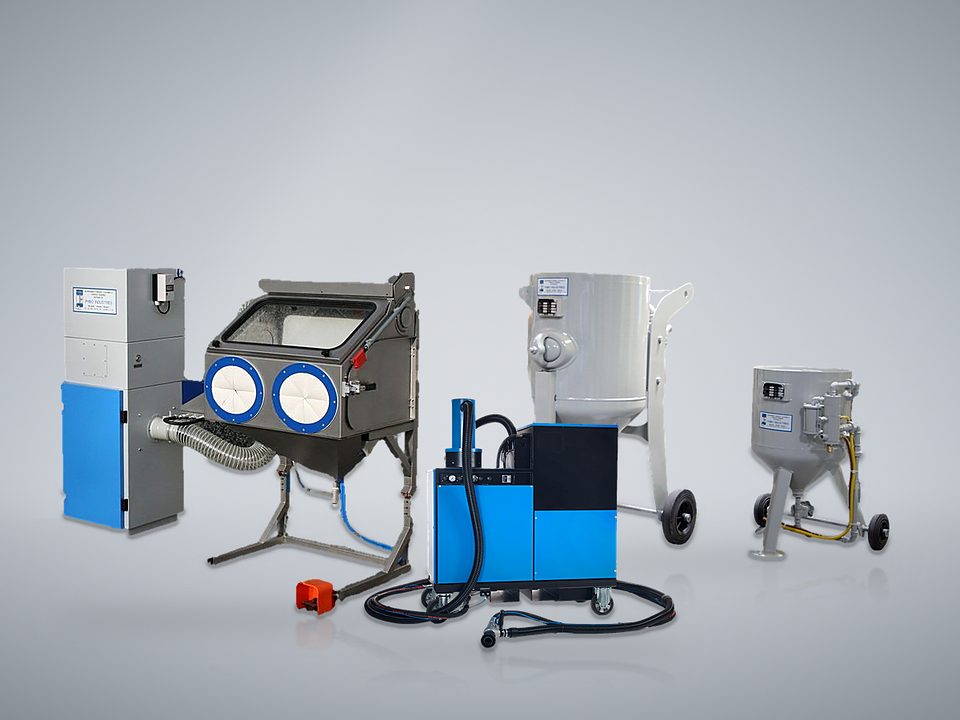
Paint and coatings come off in a controlled way, layer by layer where needed, without damaging the part. Dry in a blast cabinet or wet in a wet blast cabinet, with a soft or hard blasting medium depending on the substrate.

EquipmentBlast cabinetsWet blast cabinetsBlast rooms

View the application →

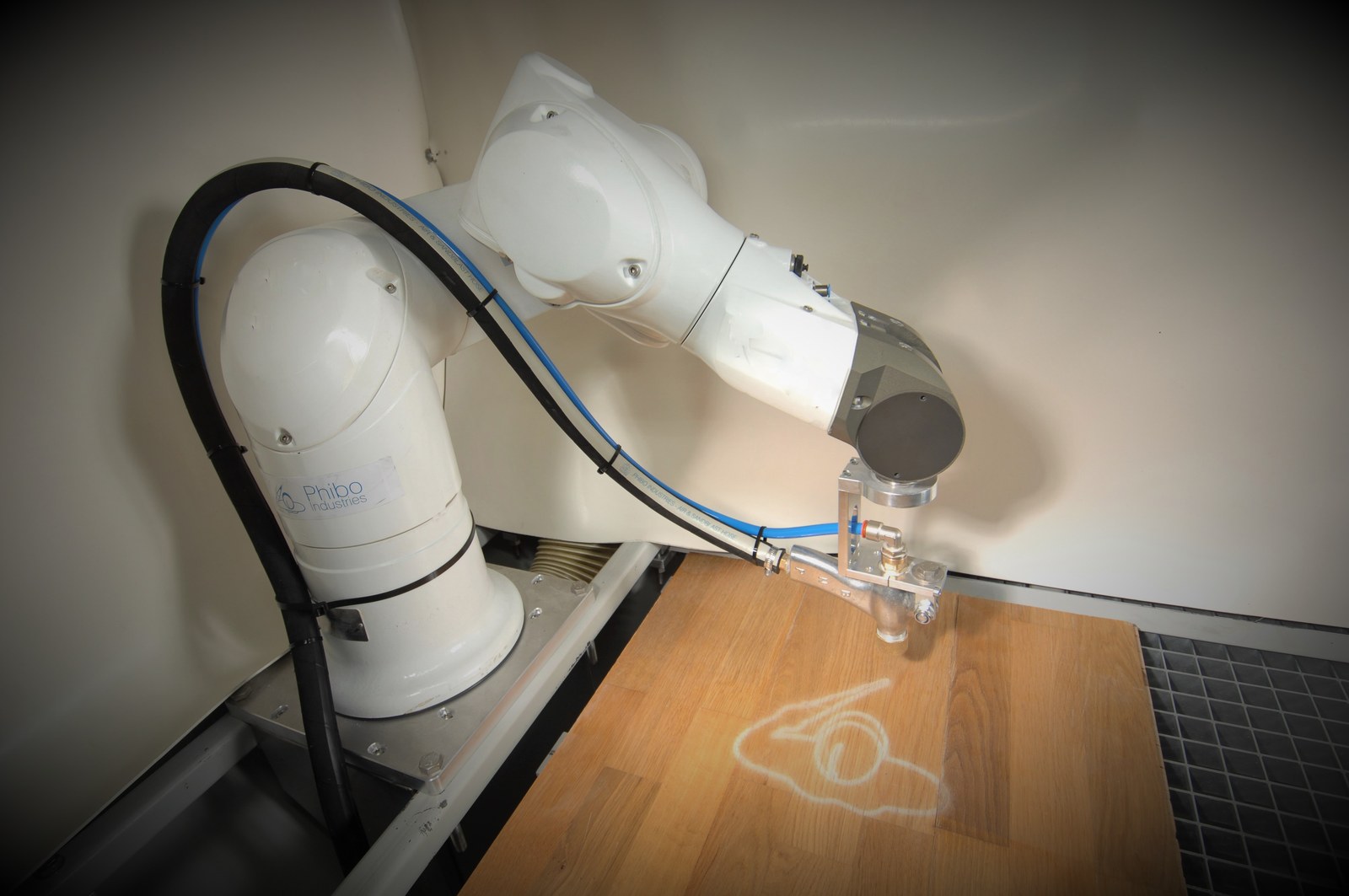
Robot arm with blasting nozzle in a closed blasting cell, with a workpiece on the table

Automated dry blasting

Blasting series of identical parts automatically

An automated installation or a robot cell gives every part the same path, the same distance and the same time, so the result is always the same. A robot cell records the parameters, so you can show for each part how it was treated.

EquipmentAutomated installations

View the application →

Frequently asked questions

Questions about automotive and transport applications

How do you clean an engine block in industry?

In an industrial parts washer. The engine block sits on a rotating basket and is sprayed from all sides with heated water and detergent, in a closed circuit. Heavy blocks go into a front loader that you load with a crane or forklift.

Which machine cleans parts before assembly or coating?

A wash, rinse and dry machine. It washes, rinses and dries in one cycle, so no detergent stays on the part. For a continuous flow of parts, choose a conveyor parts washer.

Wet or dry blasting for engine parts?

Wet blasting for valves, pistons and cylinder heads with carbon deposits, because it degreases and cleans in one treatment, without dust. Dry blasting for paint, rust or mill scale on larger parts, or when the surface needs a rougher profile for a coating.

Who supplies an industrial parts washer for engine blocks and cylinder heads in Europe?

Phibo Industries in Ronse, Belgium, a surface technology specialist since 1988, supplies top loaders and front loaders for engine parts, plus wet blast cabinets for carbon deposits, with its own service technicians and its own spare parts warehouse. Scania, ZF, Braem, C&C Parts and UDF Automotive, among others, are customers.

Which installation blasts batches of automotive parts automatically?

Automotive parts are blasted automatically in an automated blasting installation or a robot cell from Phibo. Every part follows the same path at the same distance for the same time, so each part in the batch comes out the same. A robot cell records the parameters, so you can show for each part how it was treated.

How do I remove carbon deposits from valves and pistons?

Carbon deposits come off valves and pistons by wet blasting, for example in a Phibo wet blast cabinet. The carbon comes off, and the part is degreased and cleaned in the same treatment, without dust. This also works on cylinder heads, alternators, brake calipers and starter motors.
We call you and go through your application

Tell us below which parts you treat, what has to come off (oil, grease, carbon deposits, paint or rust), how many parts a day, and whether you need to be able to show for each part how it was treated. You then receive a proposal with the full specifications.

WhatsAppPrefer to call first? +32 55 21 98 99

The dimensions and weight of your parts, the contamination on them and the number of parts per day.

We only use your details to follow up on your request. More in our Privacy Policy.

WhatsApp