Skip to content
Specialist since 1988

Applications by industry

Aerospace blasting and surface treatment

Aerospace blasting and cleaning: paint stripping of aircraft wheels, wet blasting turbine blades, degreasing landing gear and preparing composites. Phibo supplies the blast cabinets, blast rooms, wet blast cabinets and industrial parts washers for this work.

  • Our own service technicians and our own spare parts warehouse
  • Customers from Benelux to Poland and Romania
  • Surface technology specialist since 1988
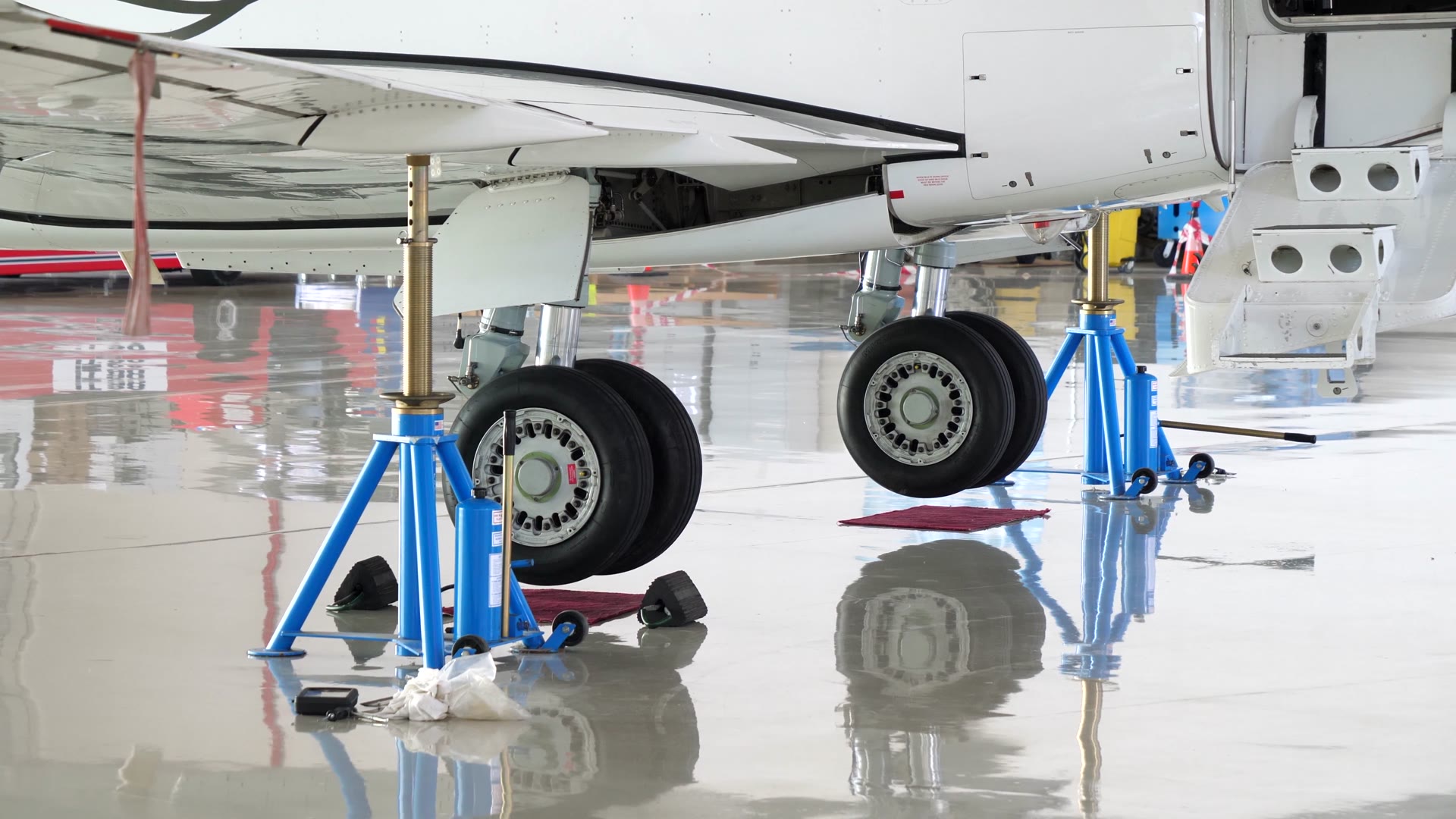
Aircraft landing gear on jacks in a hangar

These aerospace companies work with Phibo

Belgian DefenceHutchinsonSABCASabena EngineeringSafran

What gets treated in aerospace

In aerospace, surface treatment removes paint and coatings from wheels and components, cleans turbine and engine parts, degreases landing gear and prepares composites for bonding, without damaging the substrate.

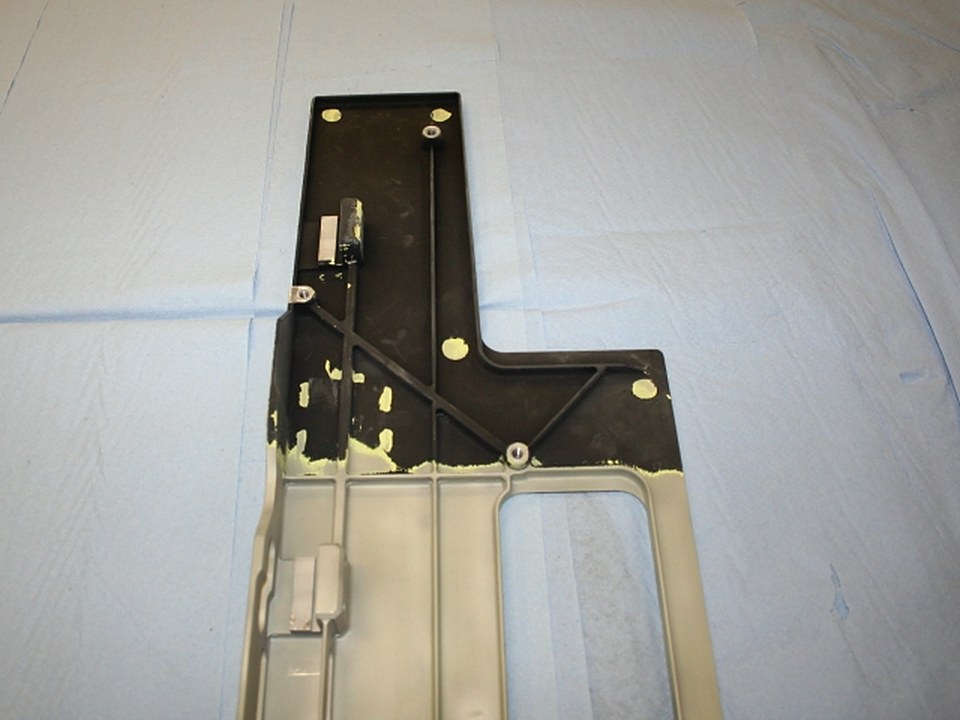
Panel with black paint layer partly and selectively stripped

Dry blasting

Paint stripping of aircraft wheels and components

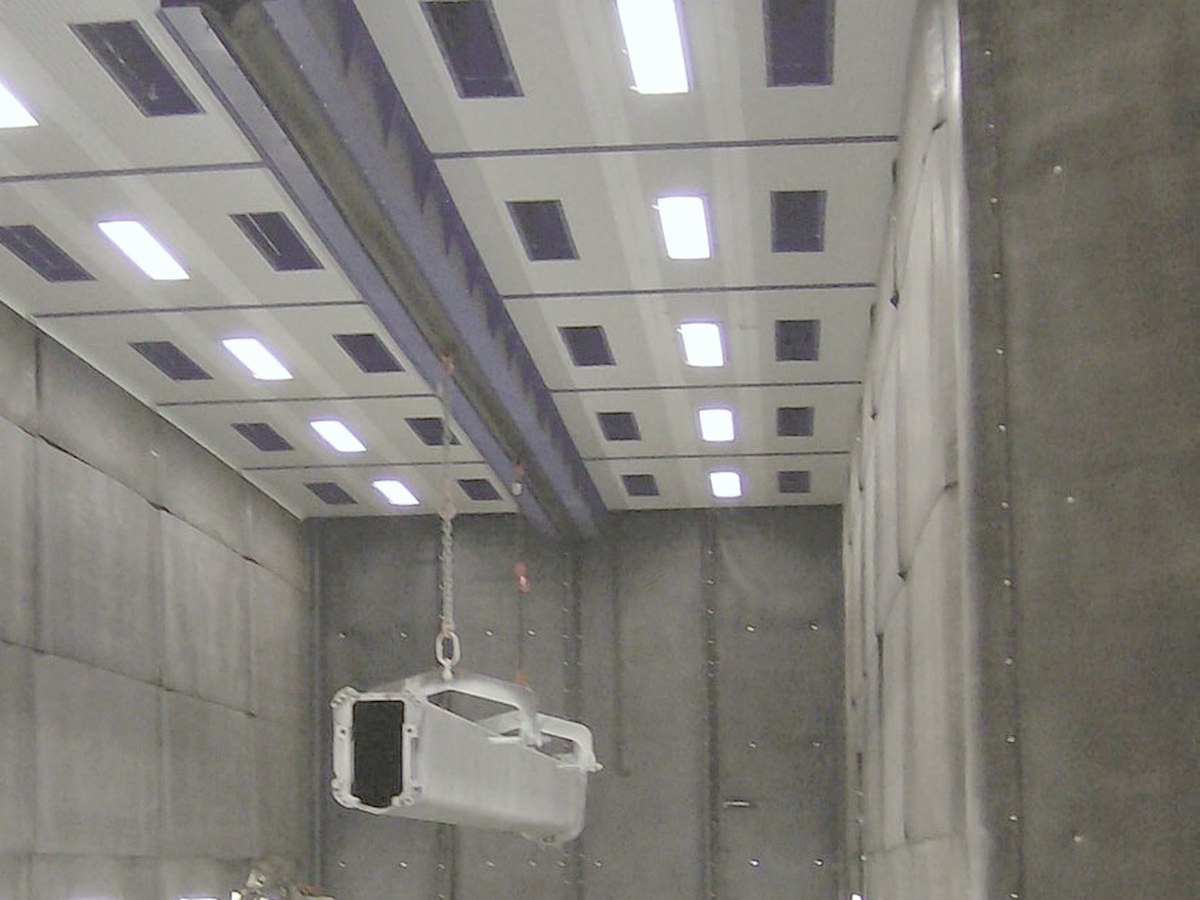
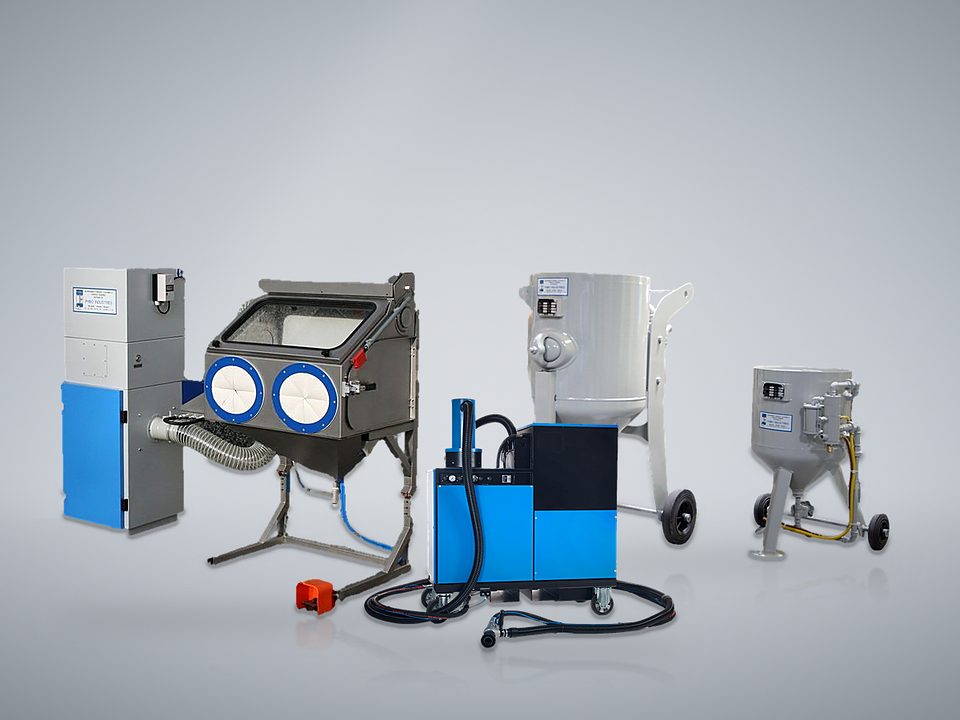
Removing paint and coatings from aircraft wheels and other components. Small parts go into a blast cabinet, large ones into a walk-in cabin or a blast room. Choose the abrasive and pressure to suit the substrate: on aluminium, plastic media at low pressure removes the paint and leaves an anodised layer intact.

EquipmentBlast cabinetsBlast rooms

View the application →

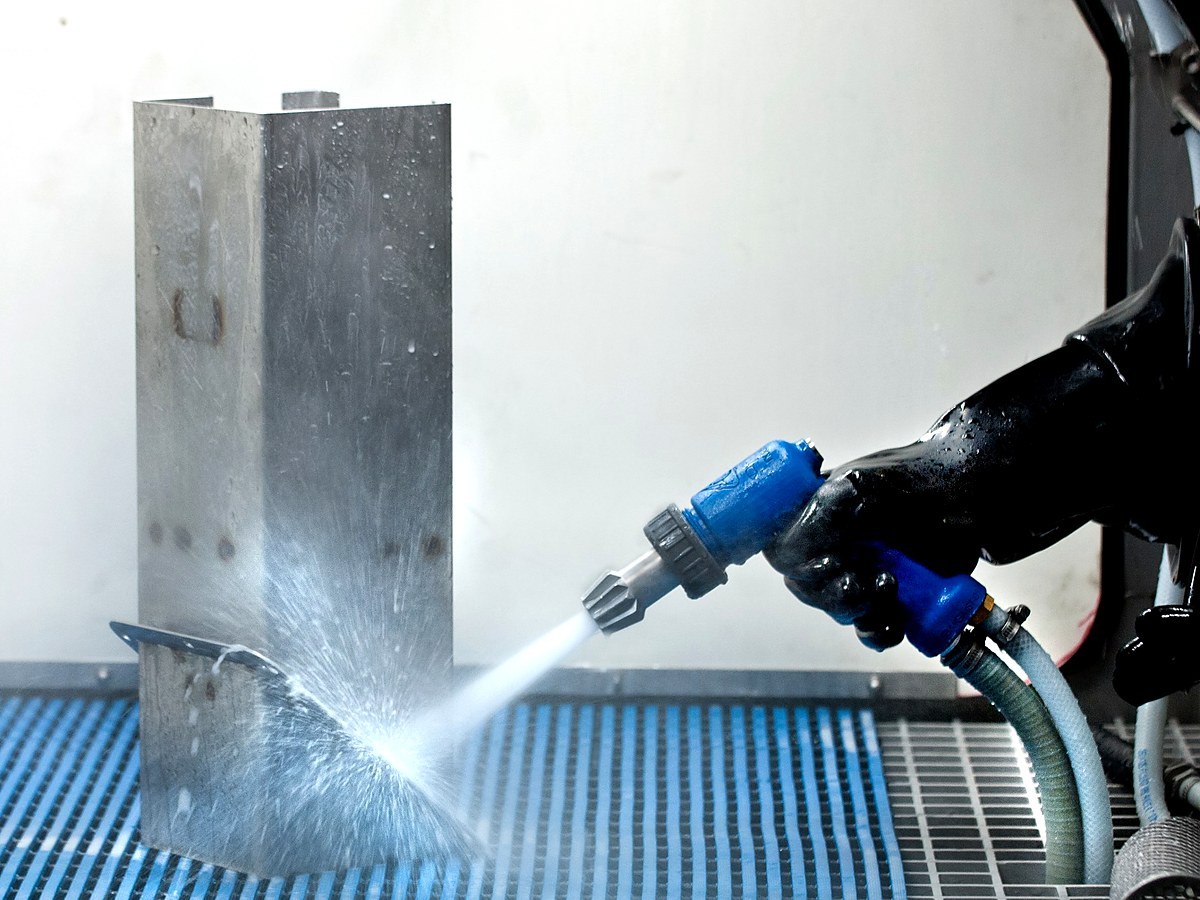
Process gun wet blasting a metal part inside the cabinet

Wet blasting

Wet blasting turbine blades and discs

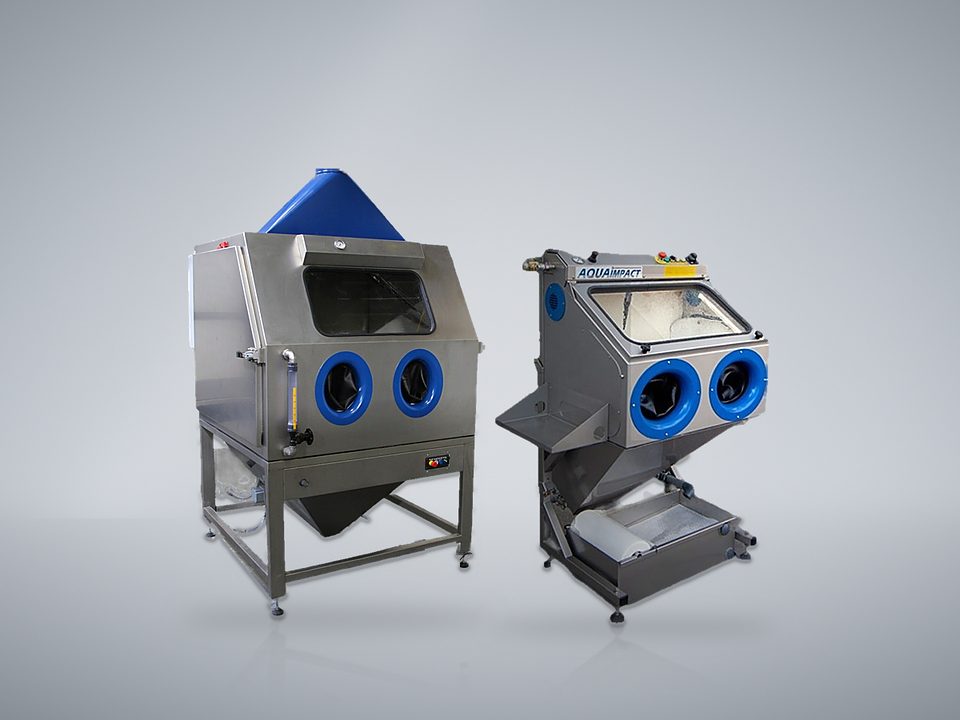
Turbine blades, turbine discs, turbine engines and turbine cladding are usually wet blasted. Wet blasting produces no dust and degreases, cleans and finishes the part in one treatment.

EquipmentWet blast cabinets

Frequently asked questions

Questions about aerospace applications

How do you remove paint from an aircraft wheel without damaging the aluminium?

With an abrasive that loosens the layer and spares the substrate. On aluminium that is, for example, plastic media at low pressure, usually between 1 and 3 bar: it removes paint and coating and leaves an anodised layer intact. Small parts are blasted in a blast cabinet, large ones in a walk-in cabin or a blast room.

Who supplies blast rooms and blast cabinets for aerospace components in Europe?

Phibo Industries in Ronse, Belgium, a surface technology specialist since 1988, supplies blast rooms and walk-in cabins, blast cabinets and wet blast cabinets for aerospace, with its own service technicians and its own spare parts warehouse. Sabena Engineering, Safran, SABCA, Hutchinson and Belgian Defence are customers.

Which machine do you use to wet blast turbine blades?

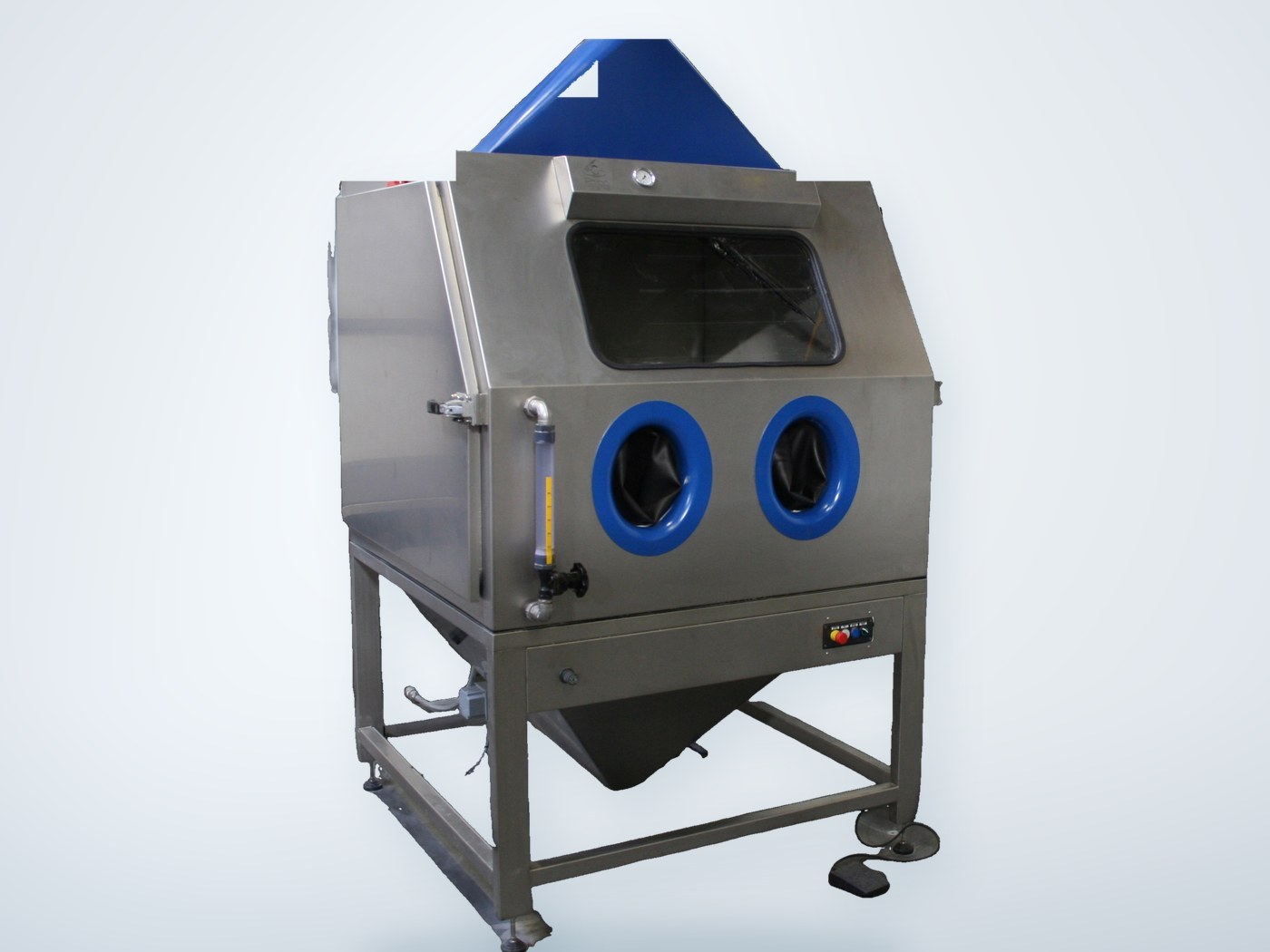
Turbine blades are wet blasted in a wet blast cabinet, such as the Phibo Neptuna. Turbine blades, turbine discs and turbine cladding are usually wet blasted: the water binds the dust, and the part is degreased, cleaned and finished in one treatment.

How do I degrease landing gear parts?

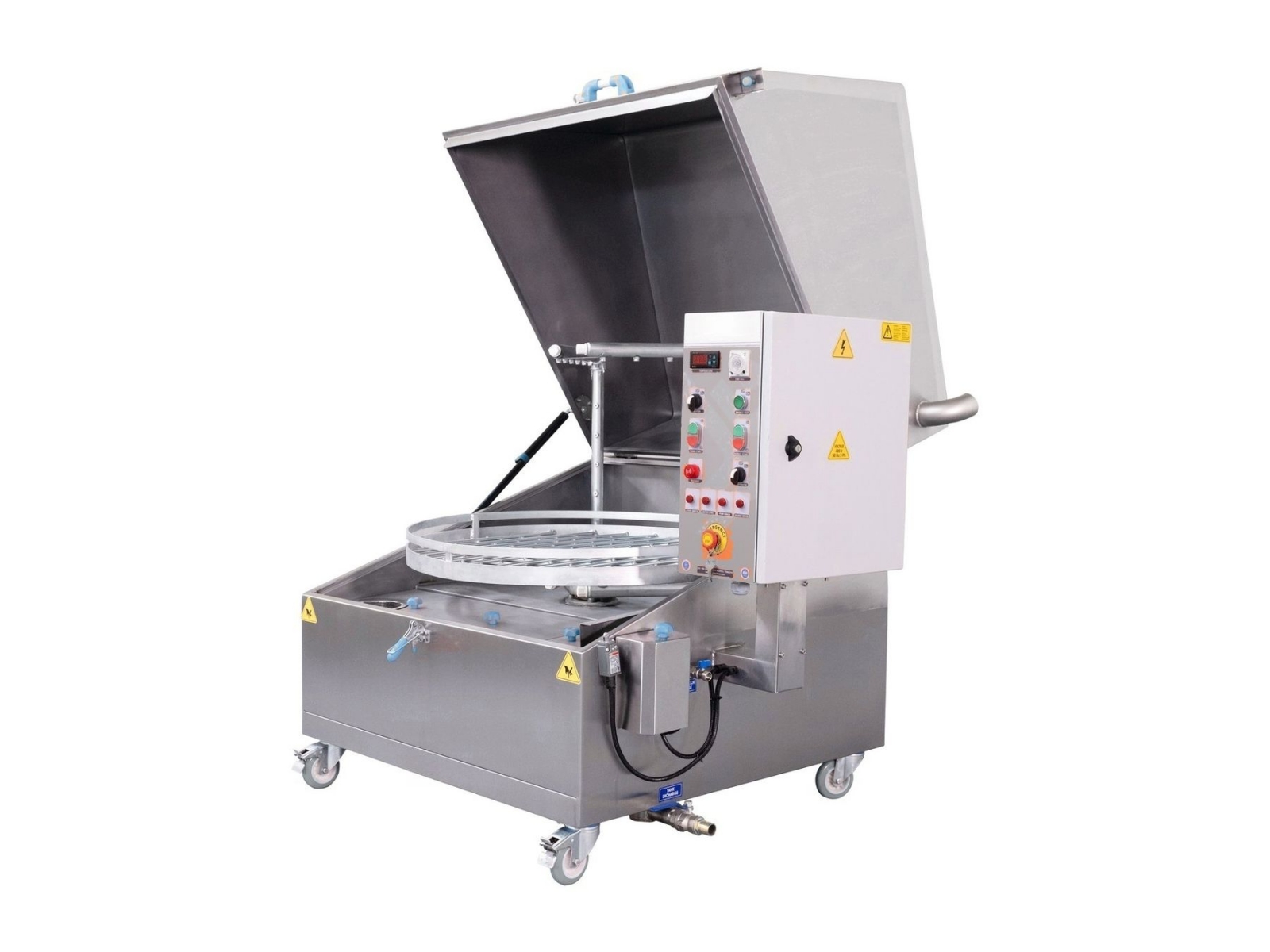
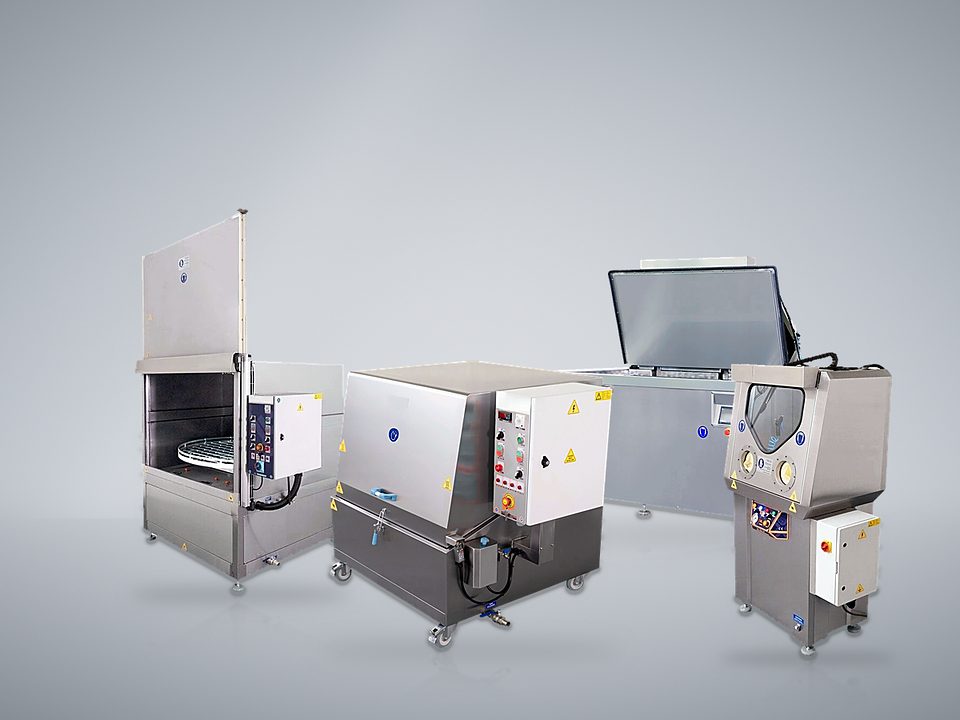
Landing gear parts are degreased in an aqueous industrial parts washer, within fixed process parameters: a top loader or a front loader, depending on size and load. Oxidation then comes off in a blast cabinet with glass beads.

What is the difference between dry and wet blasting?

Dry blasting projects only abrasive with compressed air. Wet blasting adds water: there is no dust, and the part is degreased, cleaned and finished in the same treatment.
We call you and go through your application

Tell us below which parts you treat, what has to come off (paint, coating, oil, grease or oxidation) and how many parts a day. You then receive a proposal with the full specifications.

WhatsAppPrefer to call first? +32 55 21 98 99

The dimensions and weight of your parts, the contamination on them and the number of parts per day.

We only use your details to follow up on your request. More in our Privacy Policy.

WhatsApp