Application for powder coaters, paint shops and metalworkers
Surface preparation for coating: powder coat, paint and more
Surface preparation for coating makes the surface clean and rough enough for powder coat, wet paint or another layer, and so decides how well that layer adheres. Dry and wet blasting, with the right blasting media and the installations, manual or fully automated.
- Dry blasting and wet blasting
- Manual or fully automated
- Blasting media from our own warehouse
- Surface technology specialist since 1988
Why coatings fail
Not every material is easy to coat
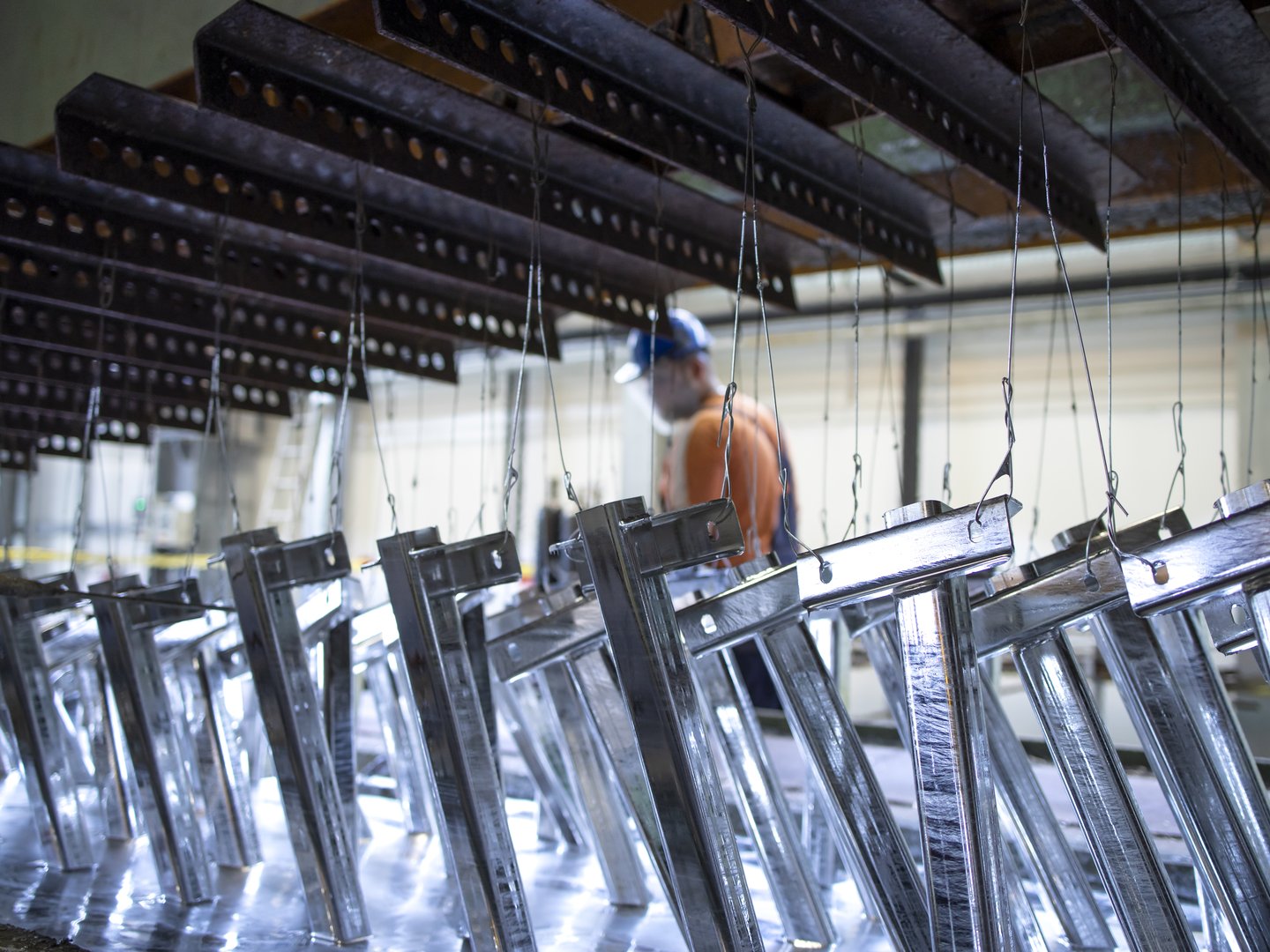
On many materials a coating adheres poorly. A good result takes knowledge of the material and of the application. These are the usual causes.
- Low surface tension
- Low chemical reactivity
- A material that is incompatible with the coating
- Sensitivity to temperature
- Contamination on the surface, such as oil, grease, rust or old paint
How it works
Preparing a part for coating
Surface preparation for coating means cleaning and roughening the surface before the coating goes on. It is the most important step of the coating process, because it decides the condition of the surface that gets coated. An angular grain cuts: it removes rust, mill scale and old paint, and gives the surface a roughness that a new coating adheres to.
Clean and degrease
Oil and grease come off in a parts washer, or with wet blasting in the same treatment.
Blast
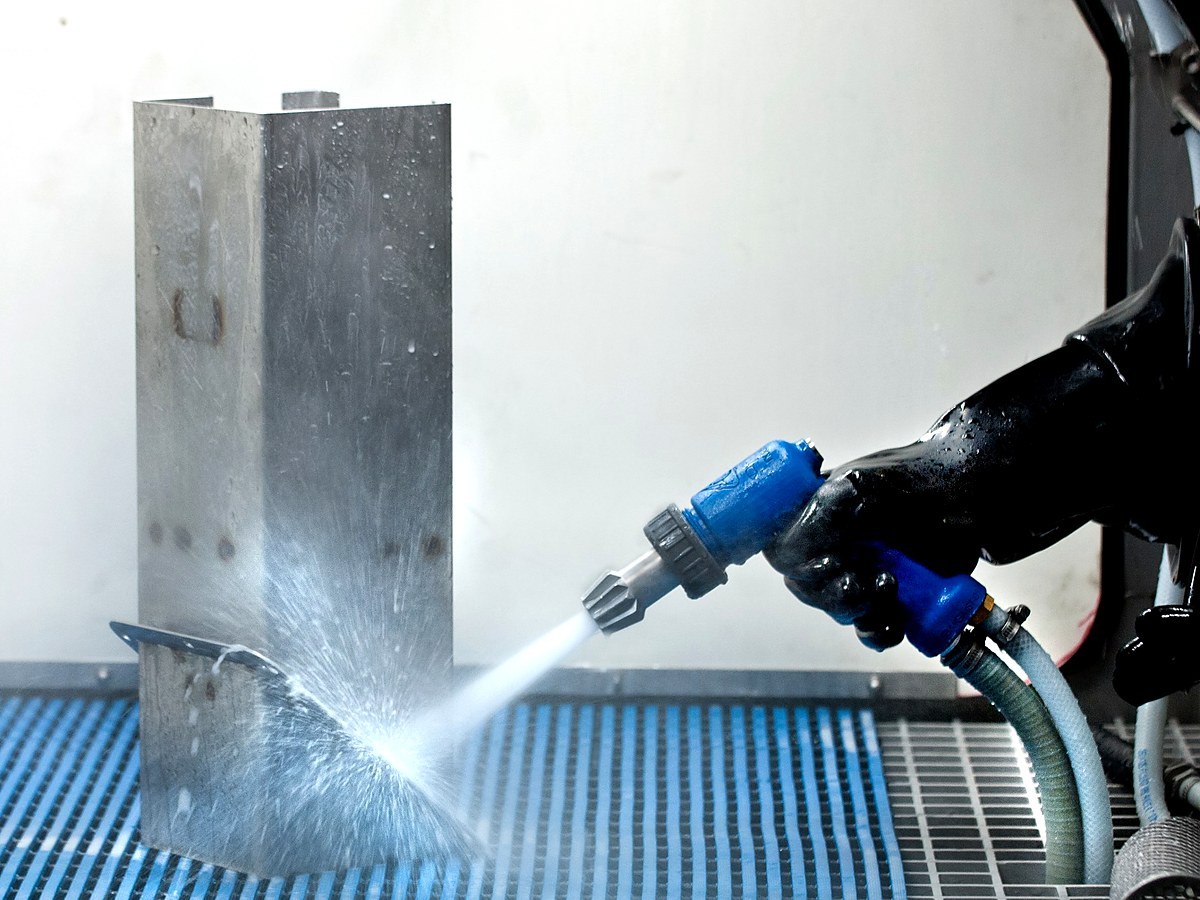
Dry blasting removes rust, mill scale and old paint and leaves a rougher profile. Wet blasting degreases, cleans and finishes in one pass, without dust.
Blow off or rinse
After dry blasting you blow the part clean. After wet blasting it is rinsed with fresh water.
Coat
Then the part goes on to the powder coating or paint line.
Methods compared
Four ways to prepare a part
Often you combine two methods, for example degreasing first and then blasting. This is how they differ.
| Method | Advantage | Drawback |
|---|---|---|
| Sanding and brushing | Little equipment needed. | A lot of manual work, hard to keep even on large surfaces. |
| Parts washer | Removes oil and grease. With the optional drying unit of an aqueous parts washer, the part comes out dry. | Does not work the surface. Rust and old paint stay, and no roughness is added. |
| Dry blasting | Removes rust, mill scale and paint layers and leaves a rougher profile for the next layer. | Greasy parts are degreased first. The cabinet works with extraction and filtration. |
| Wet blasting | Degreasing, cleaning and finishing in one treatment, without dust. No fine grains embedded in the surface. | The part comes out of the cabinet wet and is rinsed with fresh water. |
Swipe the table to the left to see all columns.
The blasting medium
Which blasting medium for surface preparation
The blasting medium decides the roughness. Do not go coarser than needed, because a surface that is too rough uses more paint or coating.
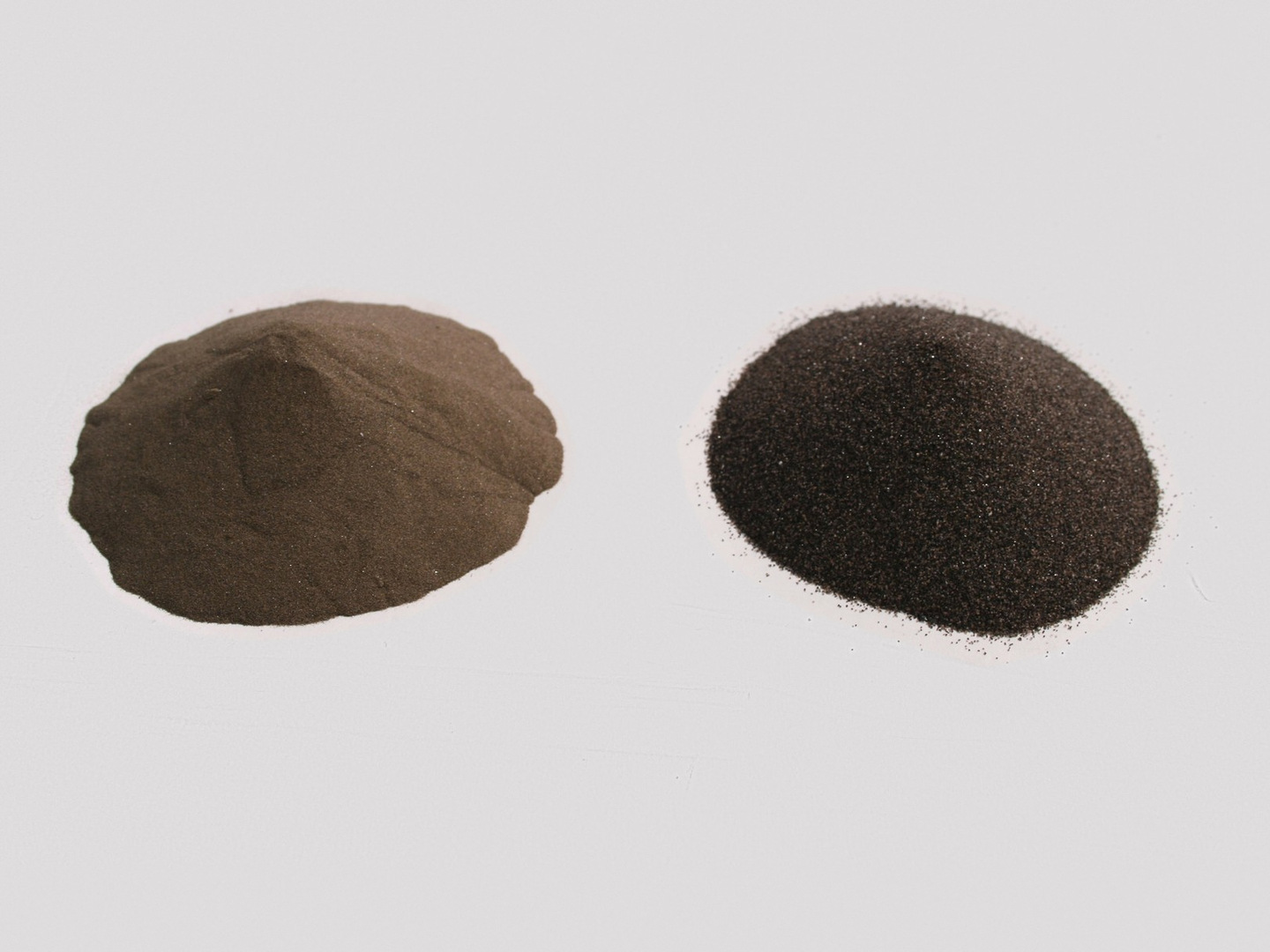
Brown aluminium oxide
For roughening before metallising, vulcanising, enamelling or coating. See brown aluminium oxide.
Steel grit
Angular, for castings, profiles and steel structures, in the dry processes. See steel grit.
Rose aluminium oxide
For composites, titanium and aluminium, to condition and activate the surface. See rose aluminium oxide.
White aluminium oxide
Very pure and very sharp, for cleaning and preparation. See white aluminium oxide.
Not sure which medium fits? Send a photo of your part and tell us which coating goes on it. We will tell you which medium you need.
References
They already work with Phibo
A selection of Phibo customers, including companies in the metals and steel industry and in rail, marine and infrastructure.






The installations
Which installation suits your parts
Small and medium parts go in a cabinet, structural parts in a blast room. Series that keep coming are blasted automatically.
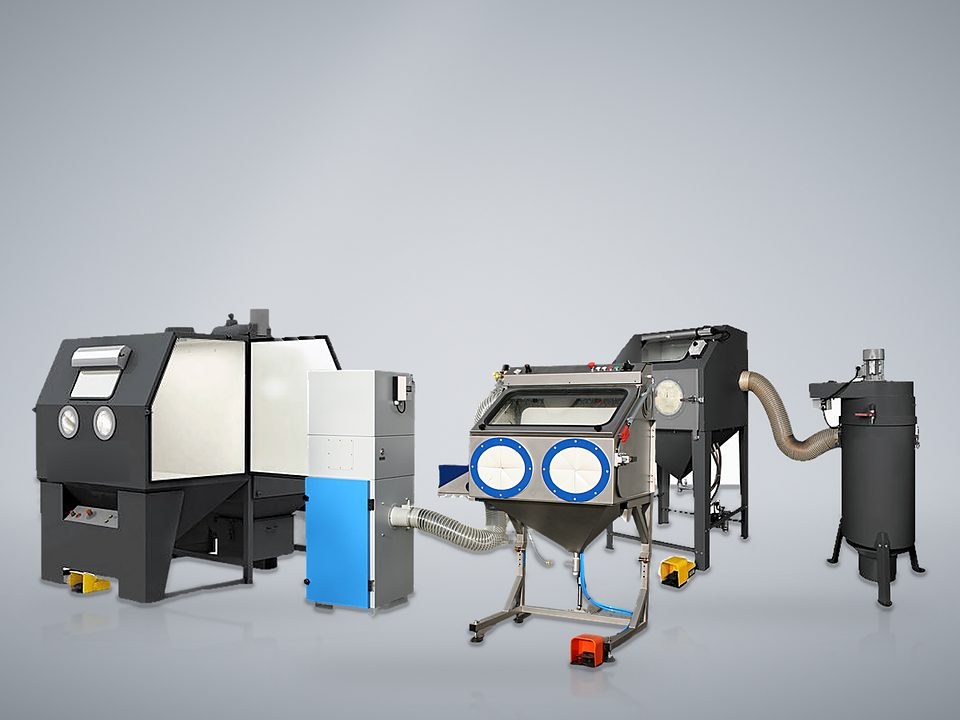
Blast cabinets
PRO-impact and ONE-impact, eleven sizes, in suction or pressure blasting.
View the blast cabinets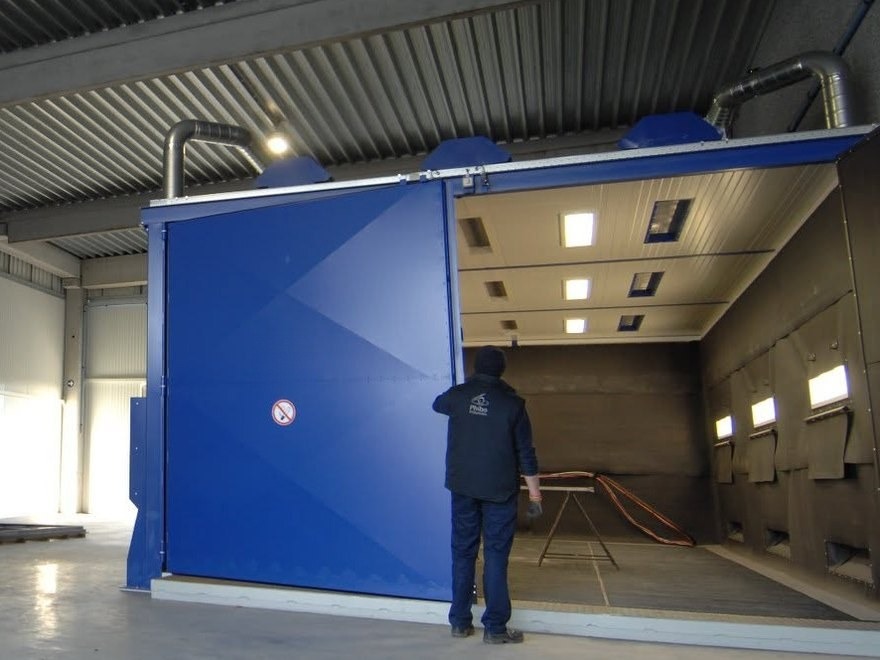
Blast rooms
For structural parts and chassis. The operator walks into the blasting space.
View the blast rooms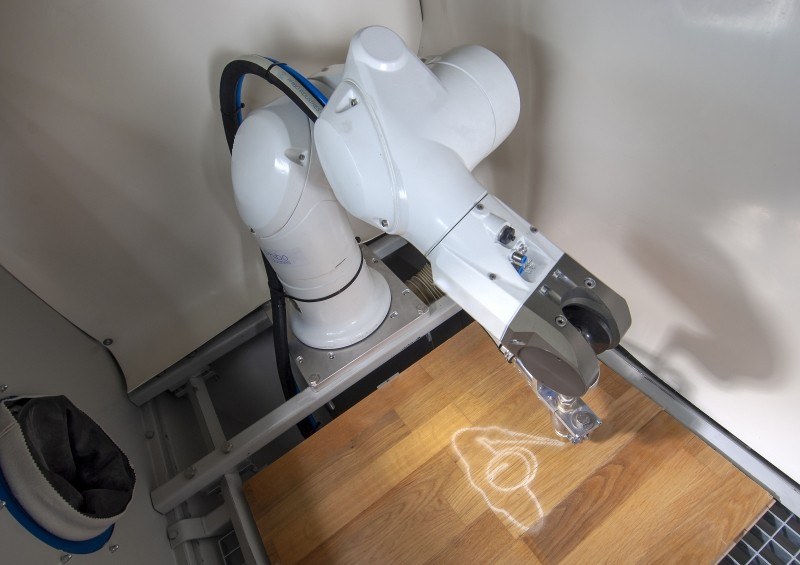
Automated dry blasting installations
Transit, satellite, barrel and oscillation, up to a robot cell.
View the automated installations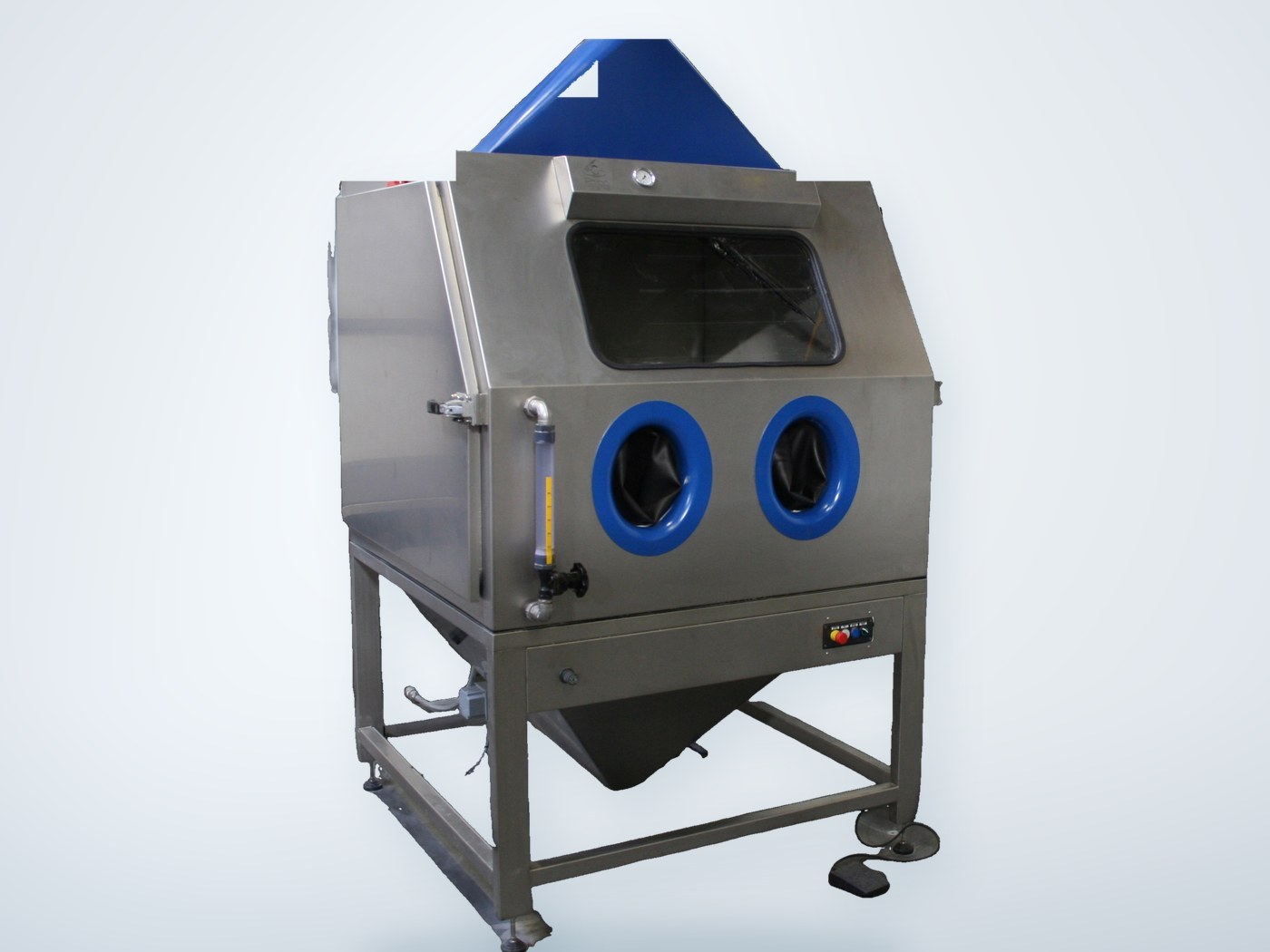
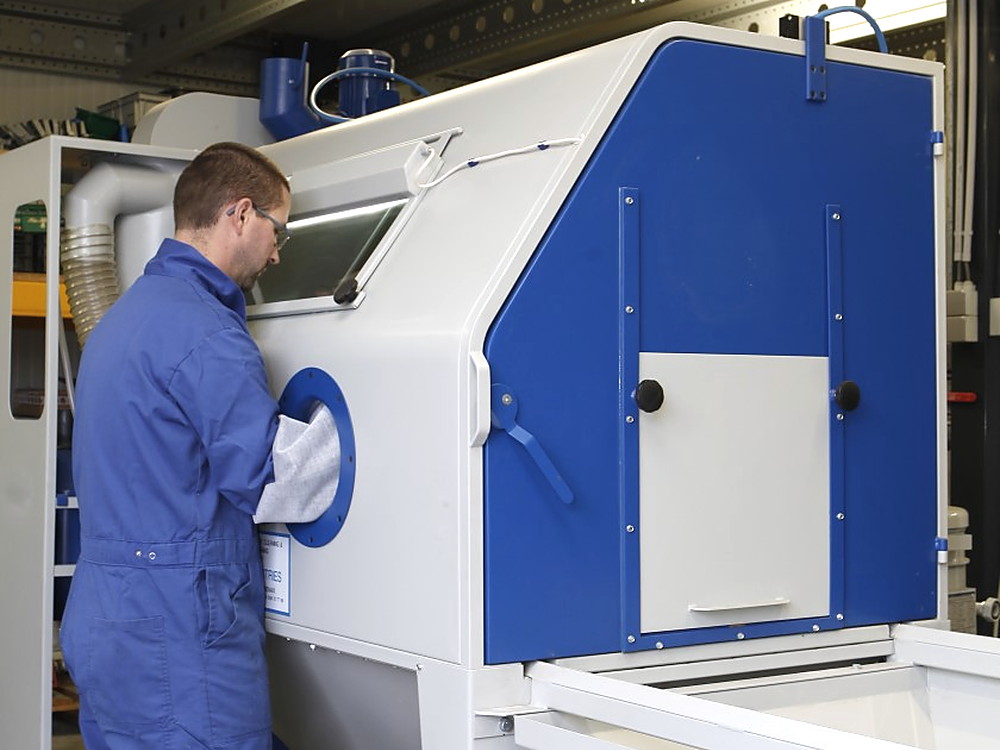
Wet blast cabinets
The compact wet blasting cabinet, the Neptuna and the wet blasting platform.
View wet blastingFrequently asked questions
Questions about surface preparation
Why is blasting good surface preparation for powder coating?
Blasting removes rust, mill scale and old paint and gives the surface a roughness that a new coating adheres to. Surface preparation decides the condition of the surface that gets coated.
When should I choose wet blasting rather than dry blasting?
When degreasing and cleaning have to happen together and no dust may be released. Wet blasting degreases, cleans and finishes in one treatment. The water buffer keeps fine grains from embedding in the surface.
Do I have to degrease before blasting?
With dry blasting, greasy parts are degreased first, for example in a parts washer. With wet blasting, degreasing and cleaning happen in the same treatment.
Can a wet blasted part rust before it is coated?
To prevent it, a corrosion inhibitor is added to the process mixture. On the Neptuna an automatic dosing unit does this. We help you choose the right product.
Consumables
Get the blasting media from Phibo too
Phibo supplies aluminium oxide, steel grit, glass beads and ceramic beads from its own warehouse, plus masking tapes and masking material for what must not be blasted. We help you choose the right medium and grain size for your coating. All blasting media at a glance.
Your installation keeps running
Maintenance, repair and spare parts, directly from Phibo, by our own technicians.
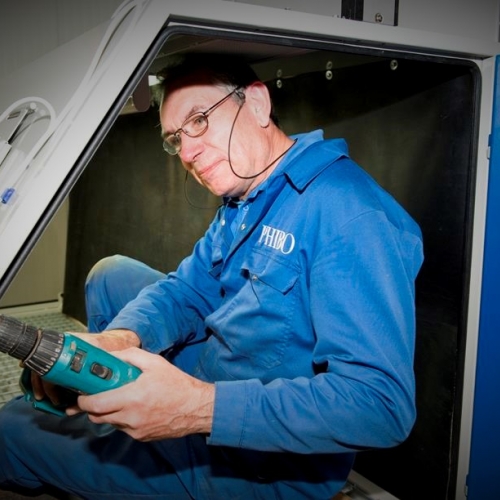
Maintenance
Preventive maintenance in our workshop or at your site. After every service your settings and consumption are reviewed.
More about this service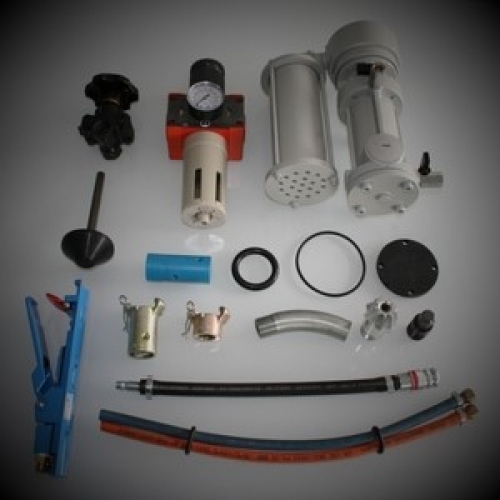
Spare parts
Blast pots, hoses, guns, rubber flaps and filter cartridges from stock. Non-standard parts we make ourselves.
More about this service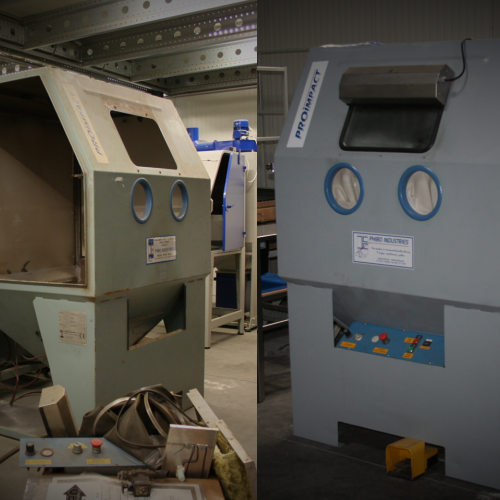
Revision and retrofitting
Modernise an existing installation or convert it to a new process. Revised second-hand installations too.
More about this service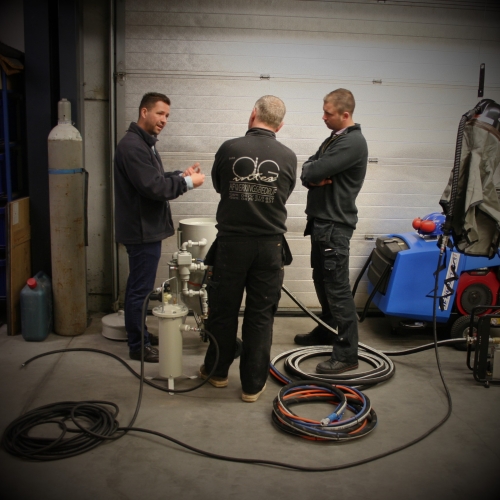
Training
Hands-on training at commissioning, standard with SublimotionProcess® and on request with the other installations. When staff change, we repeat it to suit your team.
More about this serviceRequest
We call you and go through your application
Fill in what you know below, and we go through the rest together on the phone.
- Which parts you prepare, and in which material
- The dimensions and weight of the largest part
- Which coating goes on: powder, wet paint or another
- How many parts per day or per week