Skip to content
Specialist since 1988

Applications by industry

Applications in rubber and plastics

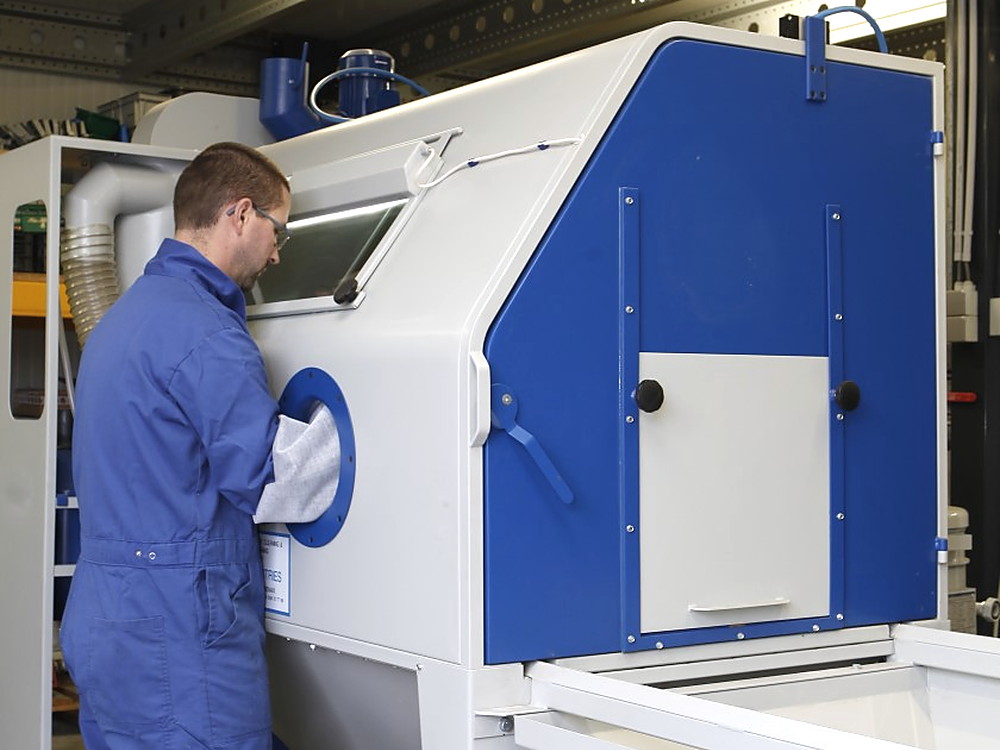
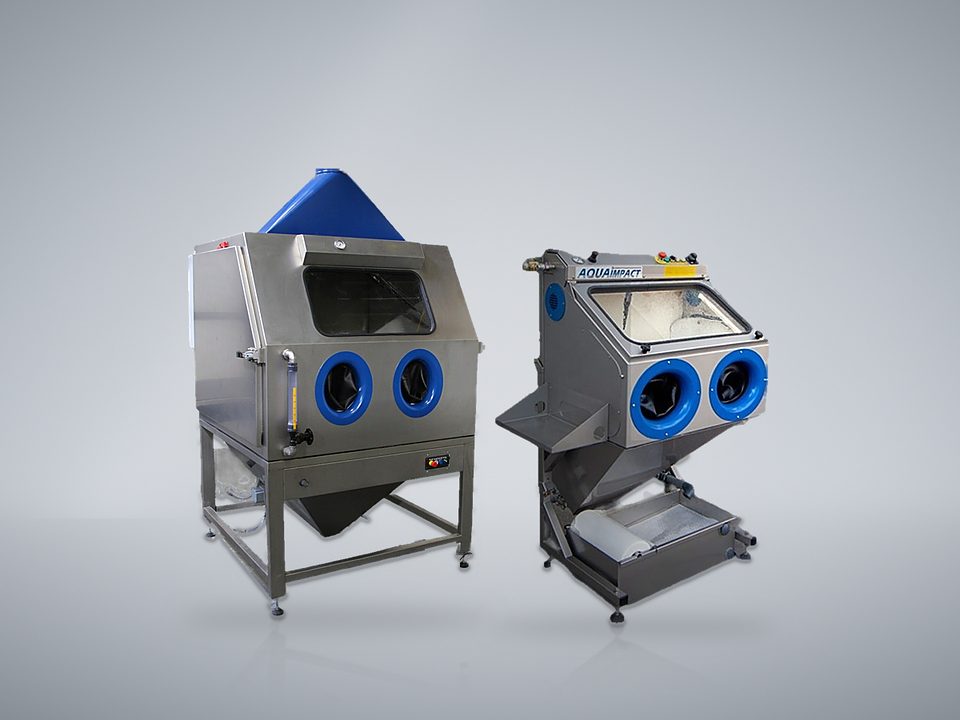
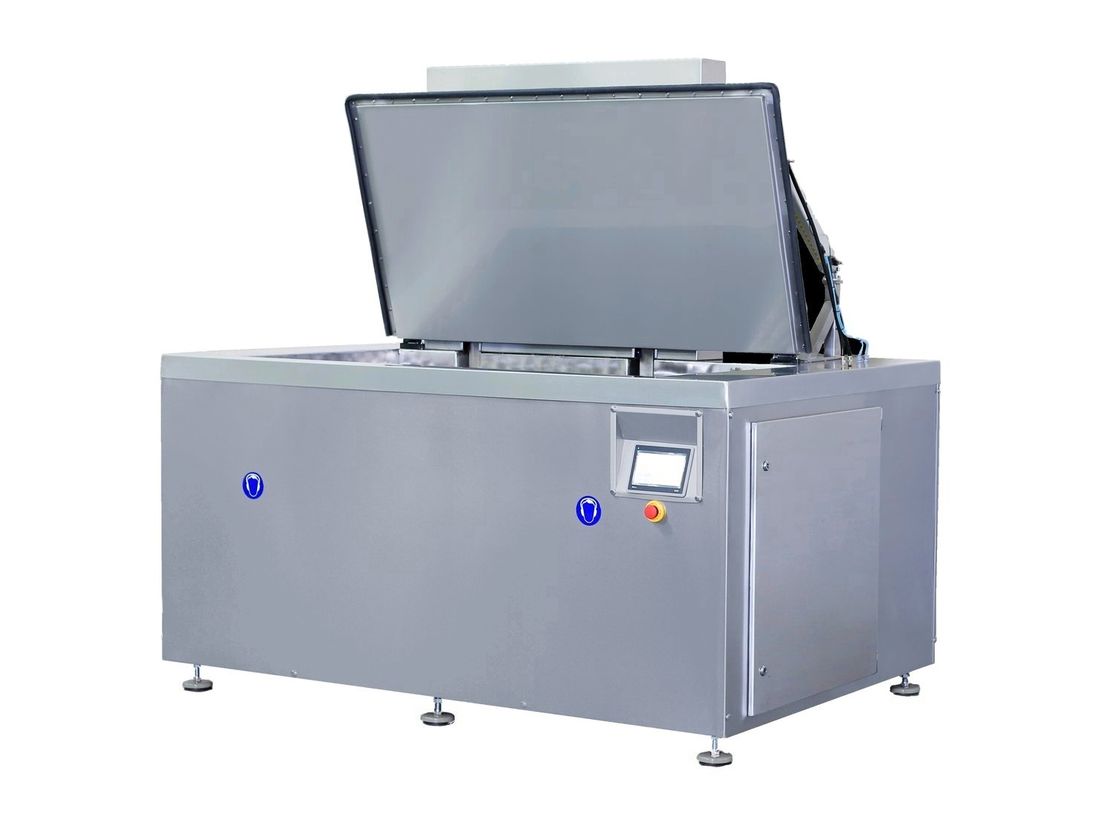
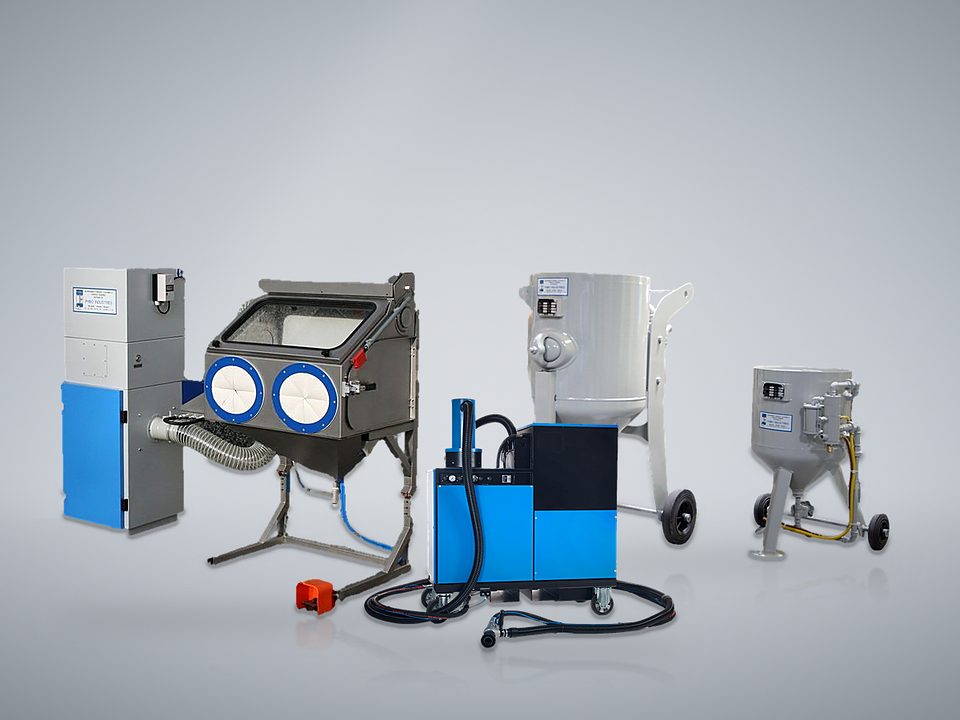
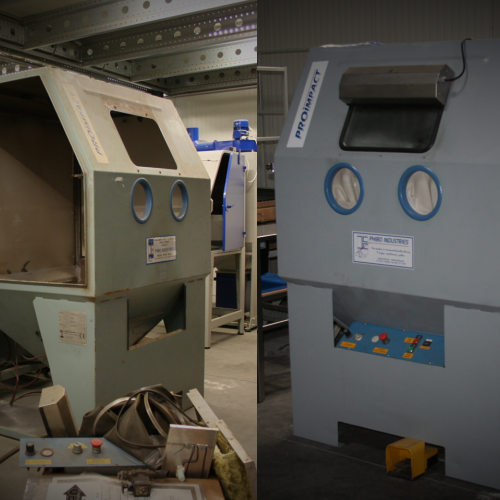
For rubber and plastics: wet blasting moulds and dies, cleaning extruders, ultrasonic cleaning of fine mould parts and preparing composites for bonding. Phibo supplies the wet blast cabinets, ultrasonic cleaners, high-pressure parts washer cabinets and blast cabinets for this.

  • Sharp edges and fine profiles are retained
  • Our own service technicians and our own spare parts warehouse
  • Surface technology specialist since 1988
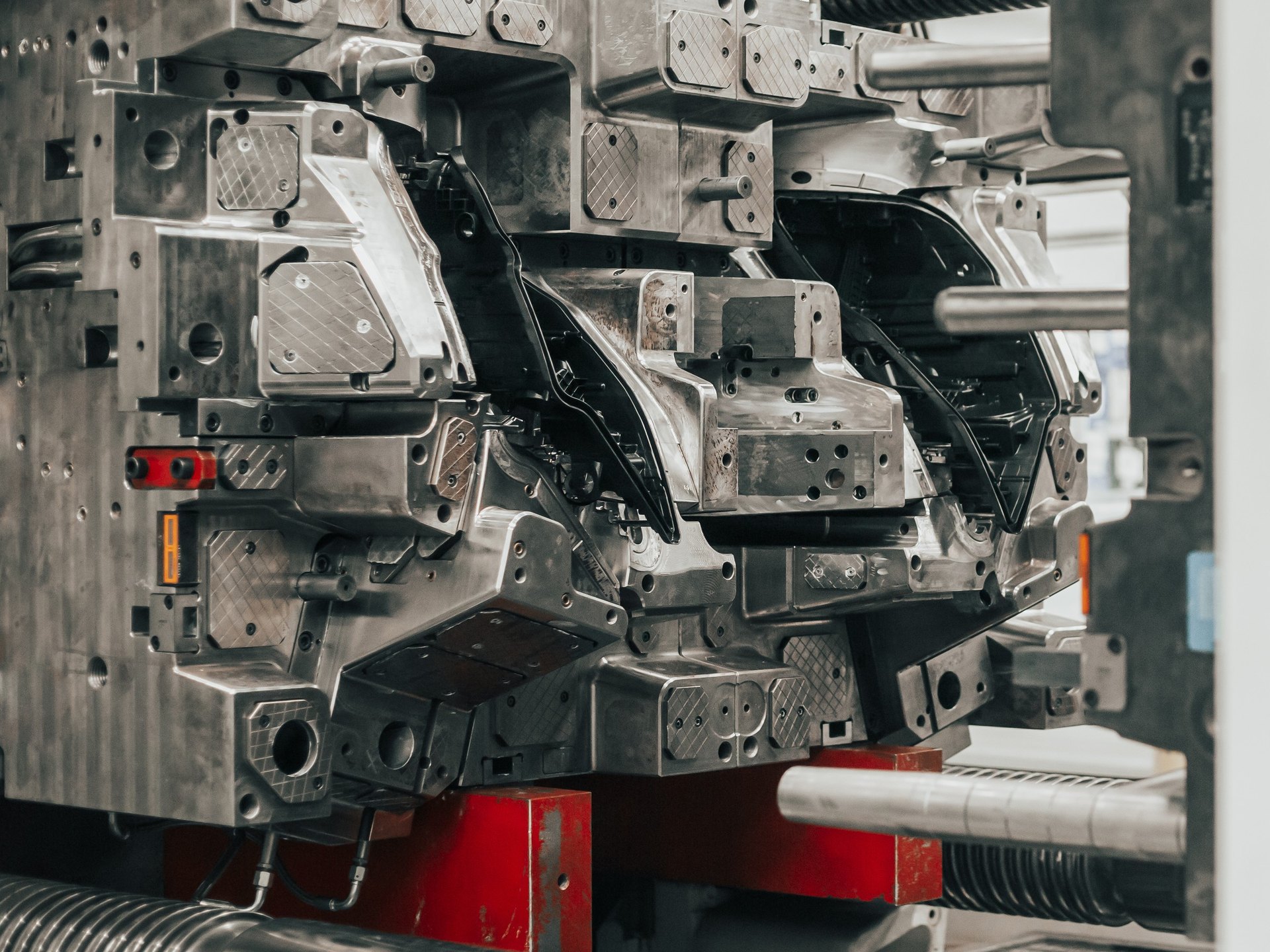
Open injection mould in an injection moulding machine

These rubber and plastics companies work with Phibo

BridgestoneDeceuninckSamsonite

What gets treated in rubber and plastics

In rubber and plastics processing, surface treatment removes deposits and production residue from moulds, dies and extruders without damaging the profiles, and prepares plastics and composites for bonding and coating.

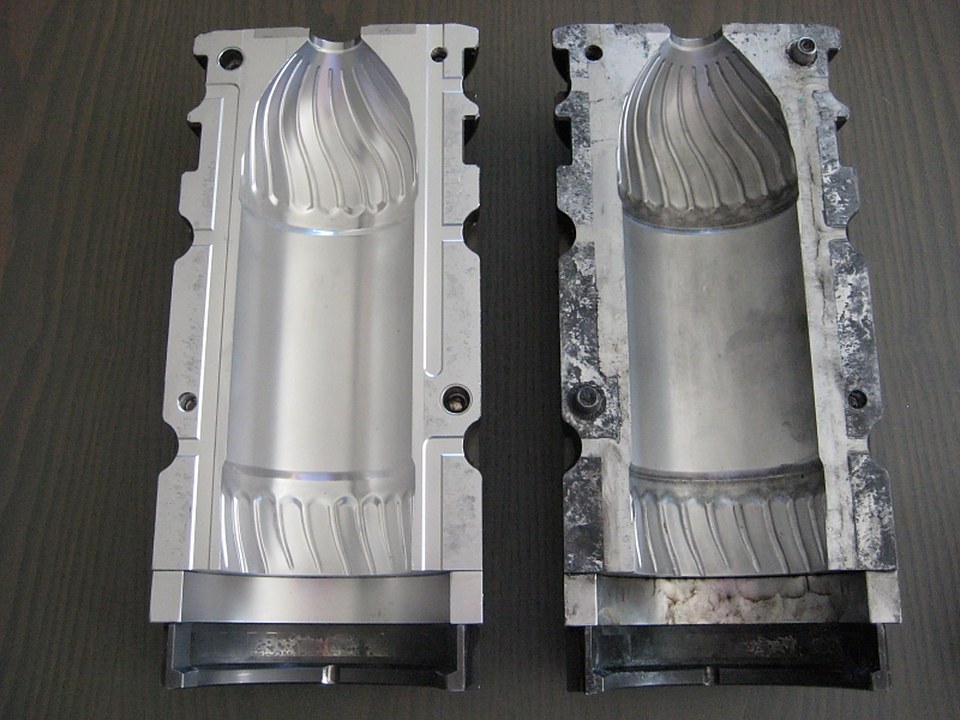
Bottle blow mould half cleaned next to a fouled half

Wet blasting

Cleaning moulds and dies for rubber and plastics

In wet blasting, a mixture of water and abrasive is projected onto the mould, atomised by compressed air at around 4 bar. It removes deposits and production residue. The water cushions the impact, so no grains become embedded in the surface, and sharp edges and fine profiles are retained.

EquipmentWet blast cabinets

View the application →

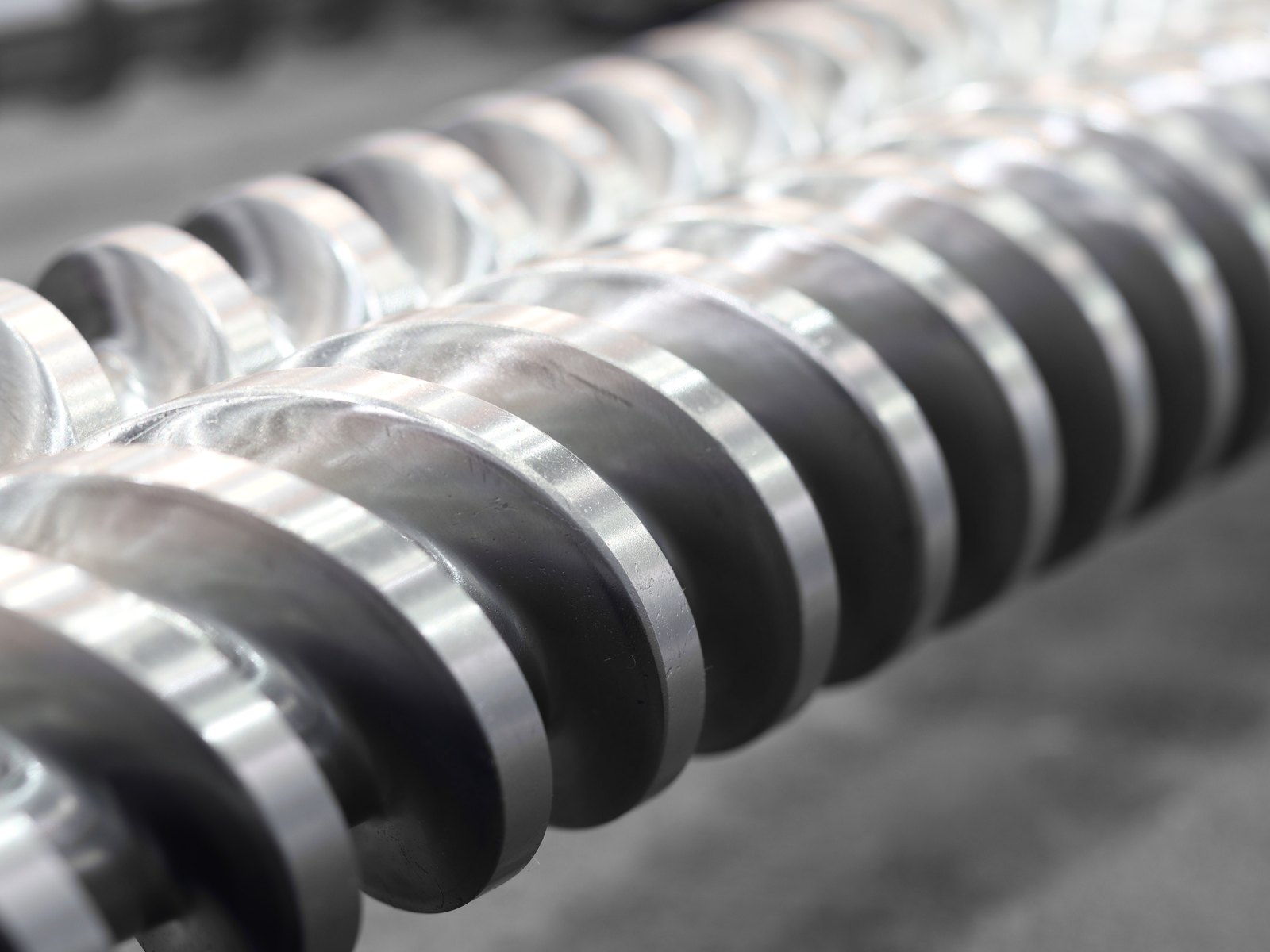
Two plastics extruder screws side by side

Wet blasting

Cleaning extruders and extrusion dies

Phibo also recommends wet blasting for extruders. You use different blasting media in the same cabinet, so one cabinet covers many applications. If a part is too complex or too valuable to put blind into a basket, the operator uses a high-pressure parts washer cabinet to spray exactly where the dirt sits.

EquipmentWet blast cabinetsParts washer cabinets

View the application →

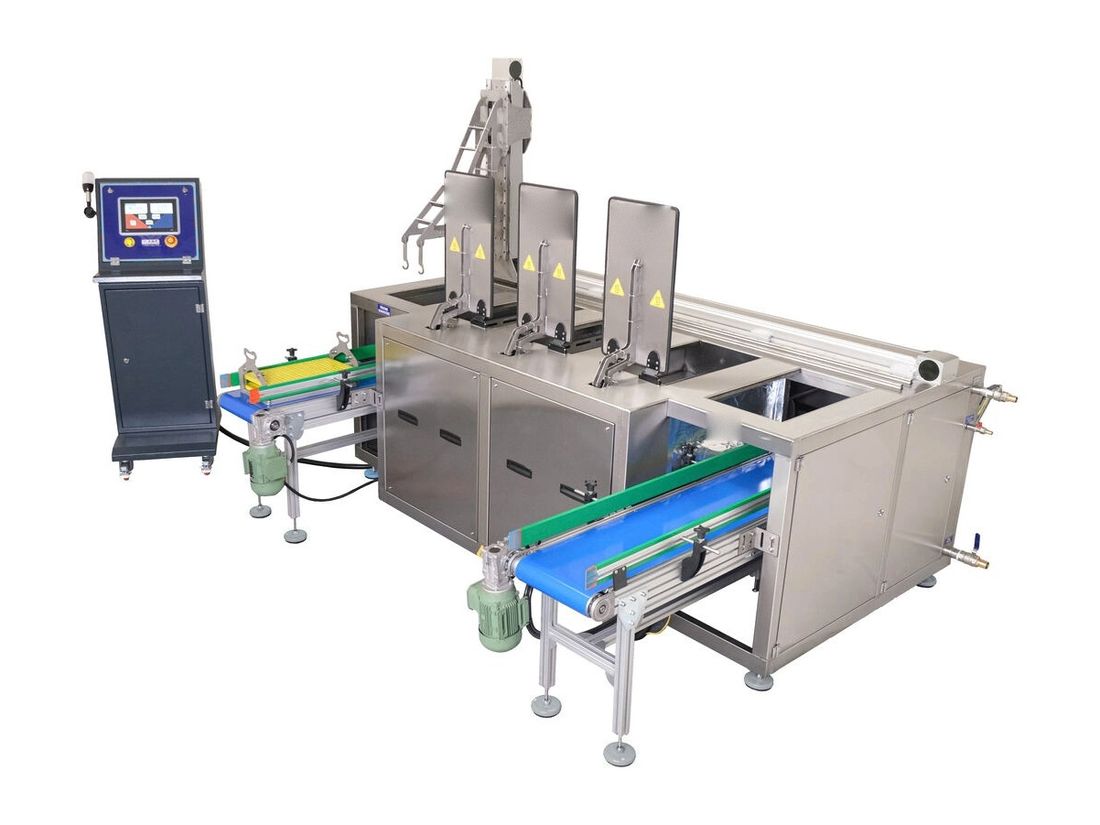
Ultrasonic cleaning line with robot loading

Ultrasonic cleaning

Ultrasonic cleaning of mould parts with fine bores

An ultrasonic cleaner loosens the dirt with ultrasonic waves in a heated bath. That works in cavities and blind holes too, and fine contours are not damaged. For series work there is an ultrasonic cleaner with robot loading.

EquipmentUltrasonic cleaners

View the application →

Frequently asked questions

Questions about rubber and plastics applications

How do I clean a mould without damaging it?

Phibo recommends wet blasting. The mixture of water and abrasive is atomised by compressed air at an operating pressure of around 4 bar. That way you clean in a controlled way, without damage to the substrate, and sharp edges and fine profiles are retained. For fine contours, bores and cavities, an ultrasonic cleaner is a useful addition.

Wet blasting or dry ice blasting for moulds?

Phibo recommends wet blasting for moulds: it cleans in a controlled way and without dust, and the water cushions the impact so no grains become embedded in the surface. Dry ice blasting leaves no abrasive behind because the dry ice sublimates, but it needs its own installation and a supply of dry ice. More on cleaning moulds and dies.

Why do adhesive and coating adhere poorly to plastics and composites?

Because of the smooth, resinous layer on the substrate, and any contamination weakens the adhesion further. Wet or dry blasting conditions and activates the surface without damaging the substrate.

Is abrasive left behind in the mould?

The water cushions the impact, so no micro-grains become embedded in the surface. After the treatment you rinse the mould with fresh water.

Who supplies equipment to clean rubber and plastics moulds in Europe?

Phibo Industries in Ronse, Belgium, a surface technology specialist since 1988, supplies wet blast cabinets, industrial ultrasonic cleaners and high-pressure parts washer cabinets for mould cleaning, with its own service technicians and its own spare parts warehouse. Bridgestone, Deceuninck and Samsonite, among others, are customers.

We call you and go through your application

Tell us below which type of mould or part you treat, what deposits are on it and how often you clean. You then receive a proposal with the full specifications.

WhatsAppPrefer to call first? +32 55 21 98 99

The dimensions and weight of your parts, the contamination on them and the number of parts per day.

We only use your details to follow up on your request. More in our Privacy Policy.

WhatsApp