
Blast room
Abrasive recovery system
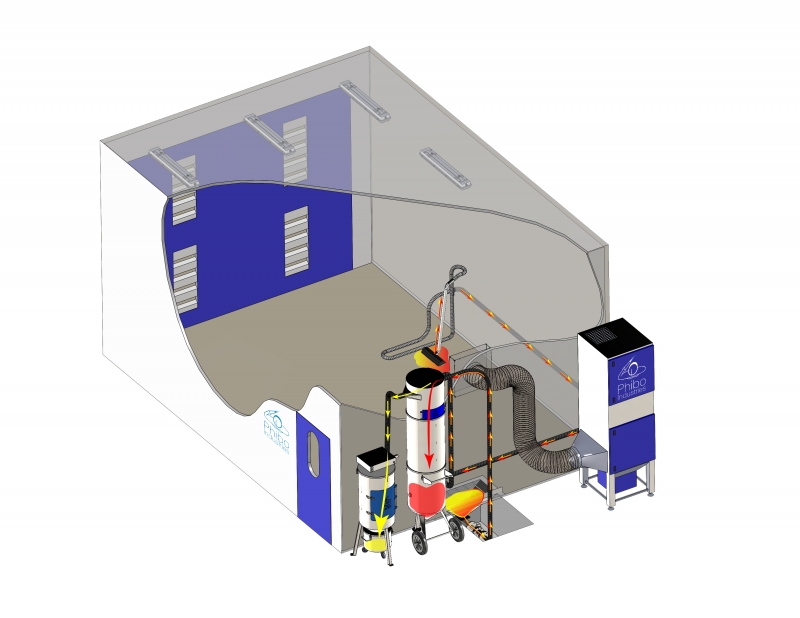
The recovery system brings the abrasive back from the blast room, cleans it and returns it to the blast pot. Phibo supplies the elevator, the cascade cleaner, the storage silo and the blast pot.
- Elevator up to 600 kg/min
- Storage silo of 500 L per blasting machine
- Blast pot from 20 to 300 L, 200 L as standard
- Surface treatment specialist since 1988
The process
Four components, in the order of the abrasive
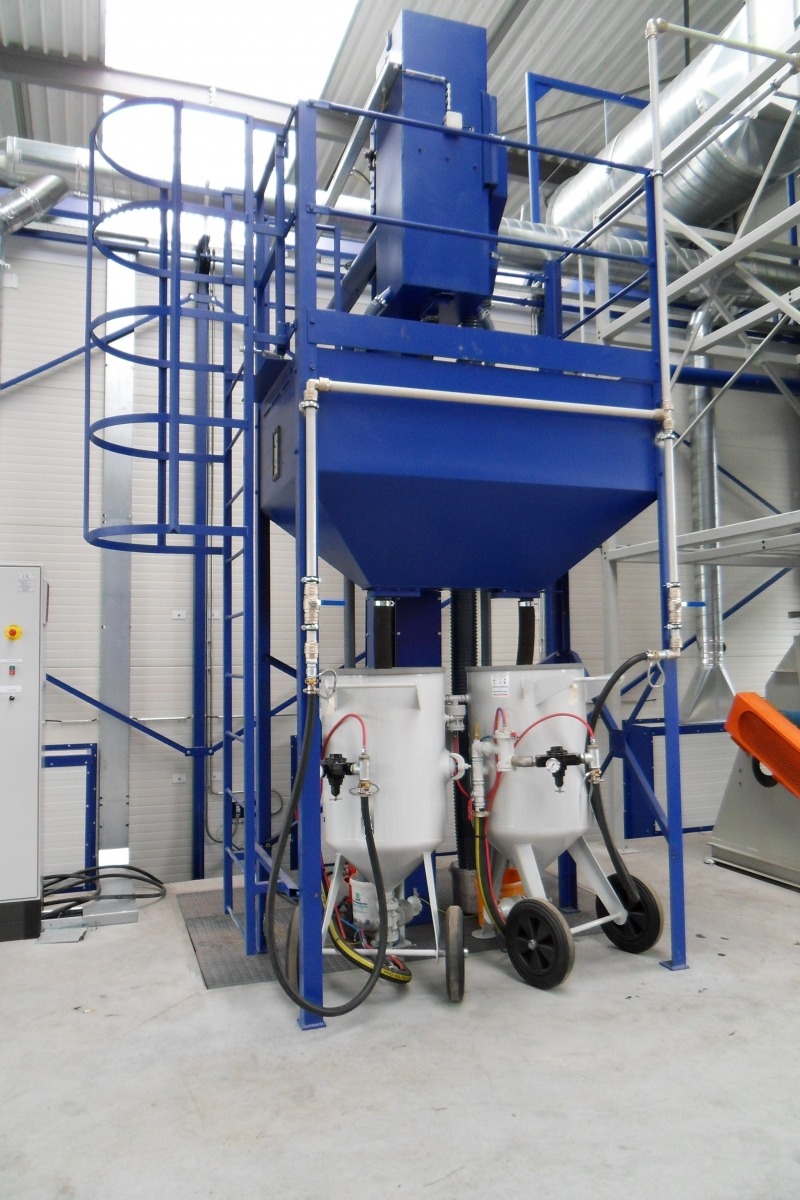
An abrasive recovery system in a blast room consists of the elevator, the cascade cleaner (separator), the storage silo and the blast pot. The cascade cleaner cleans the abrasive step by step from coarse and fine impurities, so you deliver consistent quality work.
Elevator
The elevator has a transport capacity of up to 600 kg/min. This version accommodates abrasive accumulations without risk of blockage.
Cascade cleaner (separator)
The separator cleans the abrasive step by step from all coarse and fine impurities.
Storage silo
The silo stores the abrasive, in a raised version. Capacity for 1 to 4 blasting machines, 0.5 m³ (500 L) per machine.
Blast pot
The blast pot complies with the PED directive: 200 L as standard, from 20 to 300 L depending on your situation. It has a dead man's handle remote control with silencer, blast and control hoses, and a dosing valve to adjust the abrasive flow.
Extra drum on the cascade cleaner
Recommended where iron contamination must be avoided, such as glass bead blasting of stainless steel, and when you use two different abrasives in the same blasting cabin.
In practice
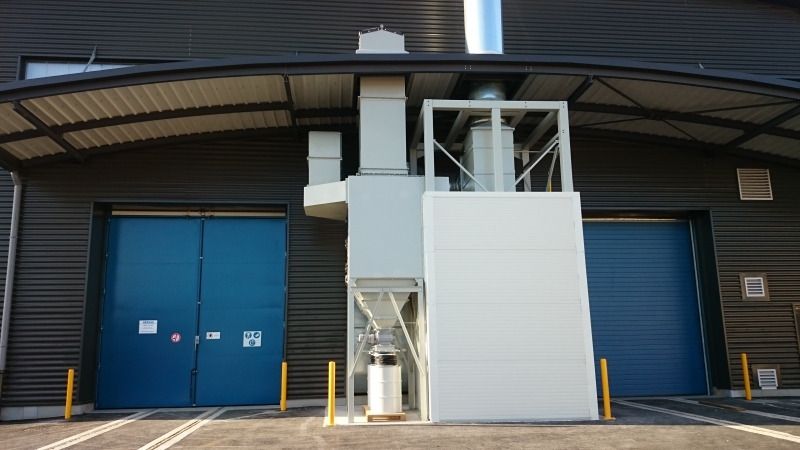
What a recovery system looks like
Options
Common options
- Accessories for internal blasting of pipes
- Compressed air treatment and blasting pressure regulators, such as compressed air coolers and 2-stage condensation separators
- Blow guns
- Complete safety equipment
Frequently asked questions
Which components make up an abrasive recovery system?
The elevator, the cascade cleaner (the separator), the storage silo and one or more blast pots.
What capacity does the elevator have?
The elevator has a transport capacity of up to 600 kg/min, and this version can accommodate abrasive accumulations without risk of blockage.
When do you need an additional drum on the cascade cleaner?
When iron contamination must be avoided, such as with glass bead blasting of stainless steel, and when 2 different abrasives are used in the same blasting cabin.
How many blasting machines can the storage silo serve?
The storage silo is a raised version on legs with capacity for 1 to 4 blasting installations, at 0.5 m³ (500 L) per machine.
Which blast pot comes with the system?
A 200 L blast pot as standard, depending on your situation, with capacities from 20 L to 300 L. All blast pots comply with the PED directive and have a dead man's handle remote control with silencer, blast and control hoses, and a dosing valve to adjust the abrasive flow.
Blast room
The rest of your blast room
Abrasive transport system
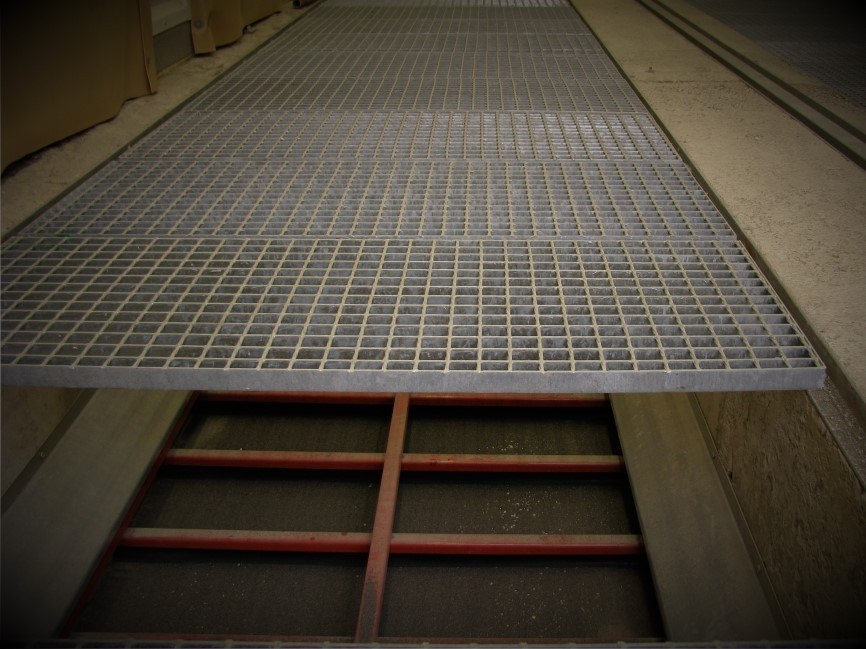
Pneumatic or with scraper strips, back to the recovery system.
View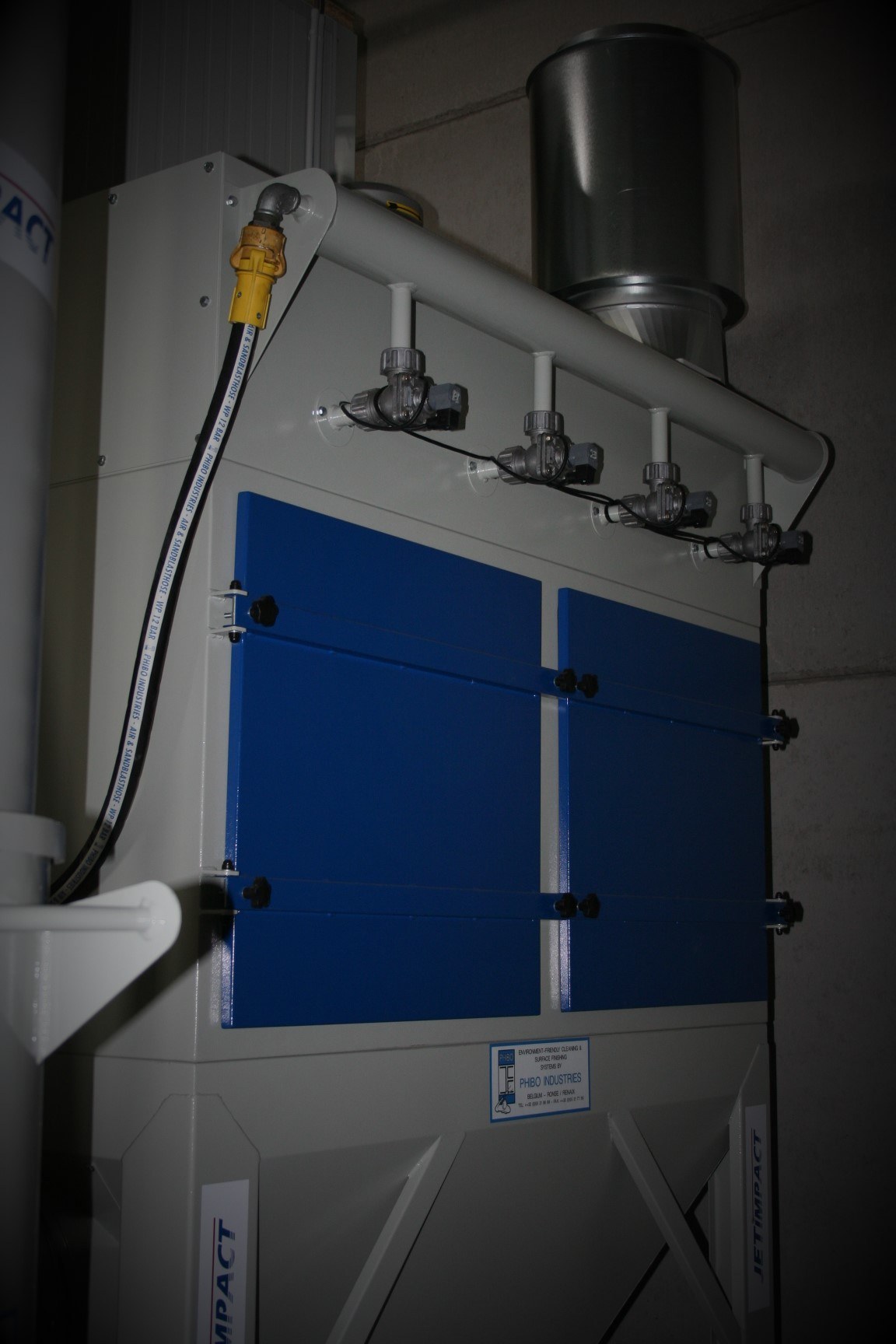
Blast room ventilation
Fresh air and extraction across the whole cross-section, with dust extraction.
View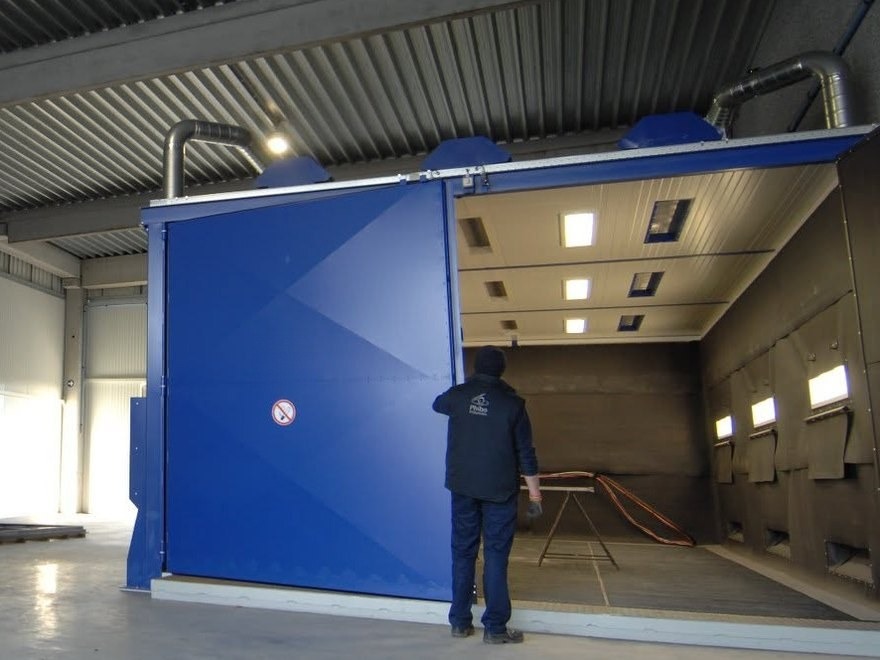
Blast rooms
HALL-impact, STEP-impact and the blast container.
View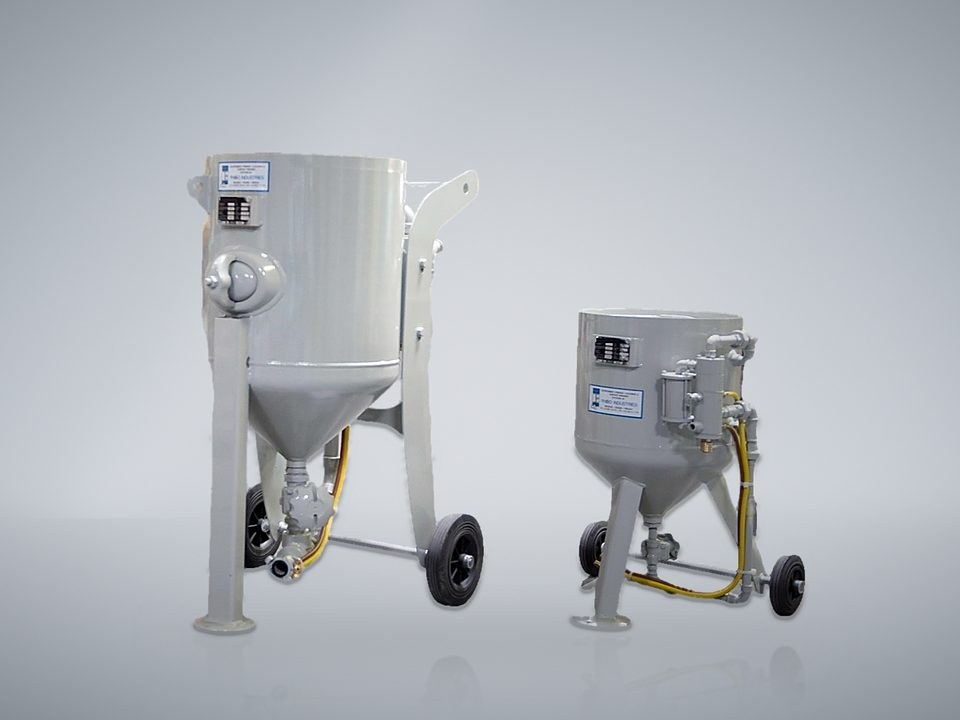
Blast pots
The JET-impact blast pots, from 20 to 300 litres.
ViewYour installation keeps running
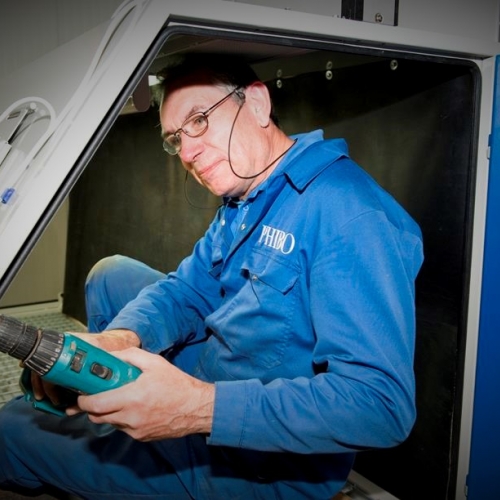
Maintenance, repair and spare parts, directly from Phibo, by our own technicians.
Maintenance
Preventive maintenance in our workshop or at your site. After every service your settings and consumption are reviewed.
More about this service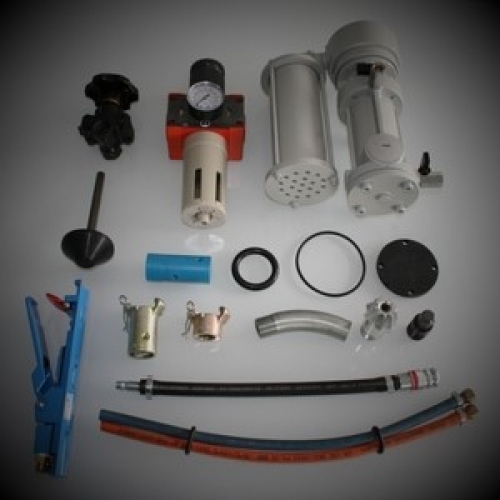
Spare parts
Blast pots, hoses, guns, rubber flaps and filter cartridges from stock. Non-standard parts we make ourselves.
More about this service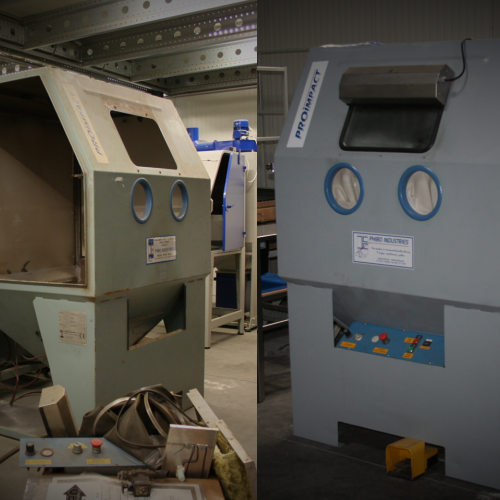
Revision and retrofitting
Modernise an existing installation or convert it to a new process. Revised second-hand installations too.
More about this service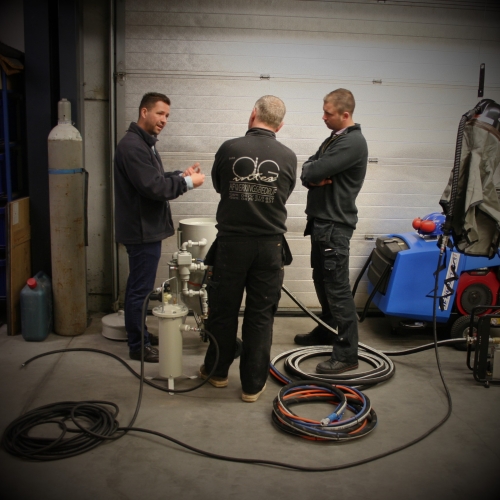
Training
Hands-on training at commissioning, standard with SublimotionProcess® and on request with the other installations. When staff change, we repeat it to suit your team.
More about this serviceWe call you and go through your blast room
Send us the dimensions of your largest part, the abrasive and how many operators blast at the same time. You receive a proposal with the matching installation.
- The dimensions and weight of your largest part
- The abrasive you work with
- How many operators blast at the same time