
Microblasting
Microblasting of very small parts
Microblasting is deburring, polishing or cleaning very small parts, or giving them an even matt or satin finish, with extreme precision. Phibo supplies the MI200 for it, a fully independent unit you can also mount onto an existing blast cabinet.
- Surface treatment specialist since 1988
- Nozzles of 0.8, 1.2 and 1.8 mm, unit of 200 x 200 x 230 mm
- Abrasives from 0 to 300 microns from stock
- Maintenance, repair and spare parts arranged directly with Phibo
Applications
What you use microblasting for
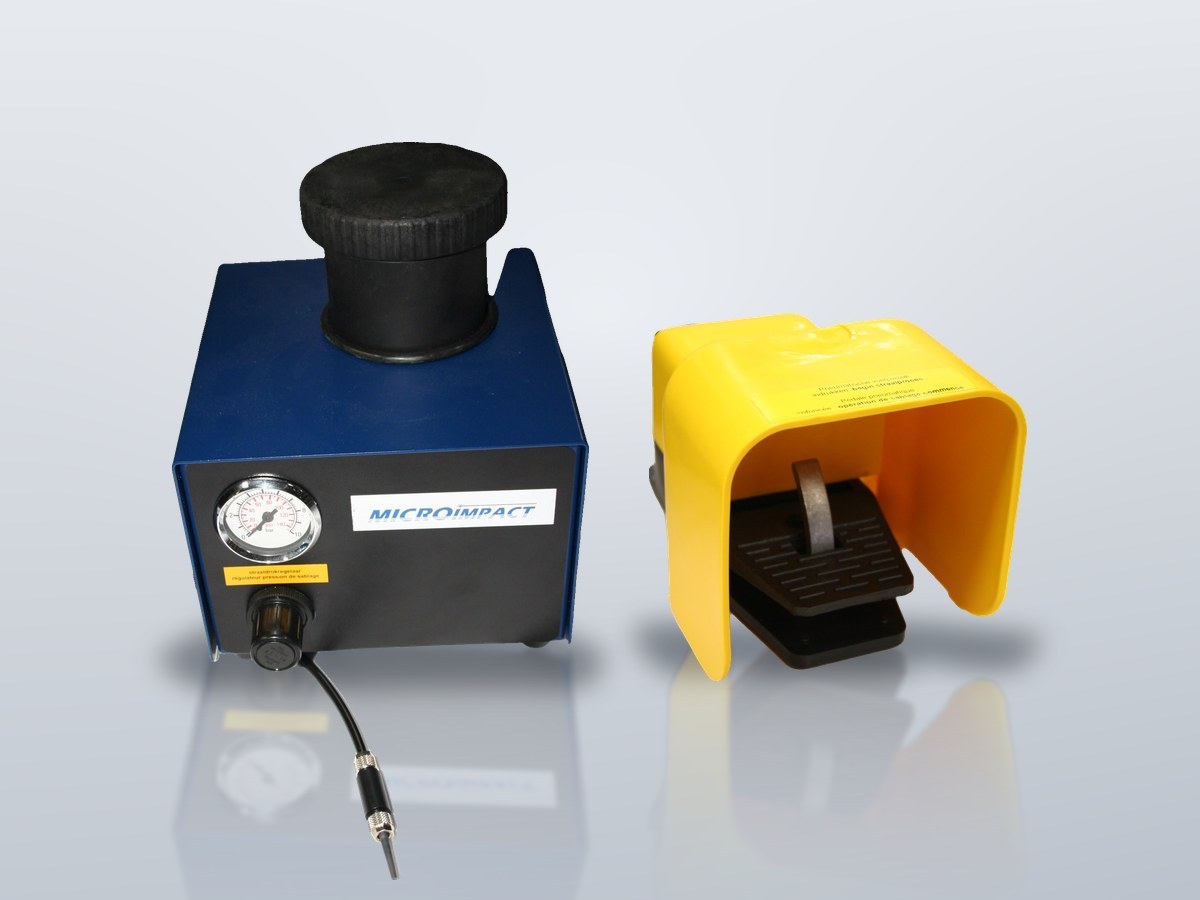
Microblasting is blasting with extreme precision, on very small parts. The nozzle measures 0.8 to 1.8 mm, the abrasive 0 to 300 microns. With it you deburr, polish or clean the part, or give the surface an even matt or satin finish.
Matt and satin finishes
An even matt or satin finish on a small area, with the metal beside it untouched.
Deburring and polishing
Removing burrs on very small parts, and polishing surfaces to the finish you are after.
Cleaning and drilling
Removing contamination from very small parts, with extreme precision. With the same unit you also drill through hard materials such as glass and steel.
References
They rely on Phibo for surface treatment






Phibo MI200
One unit, three nozzle diameters to choose from
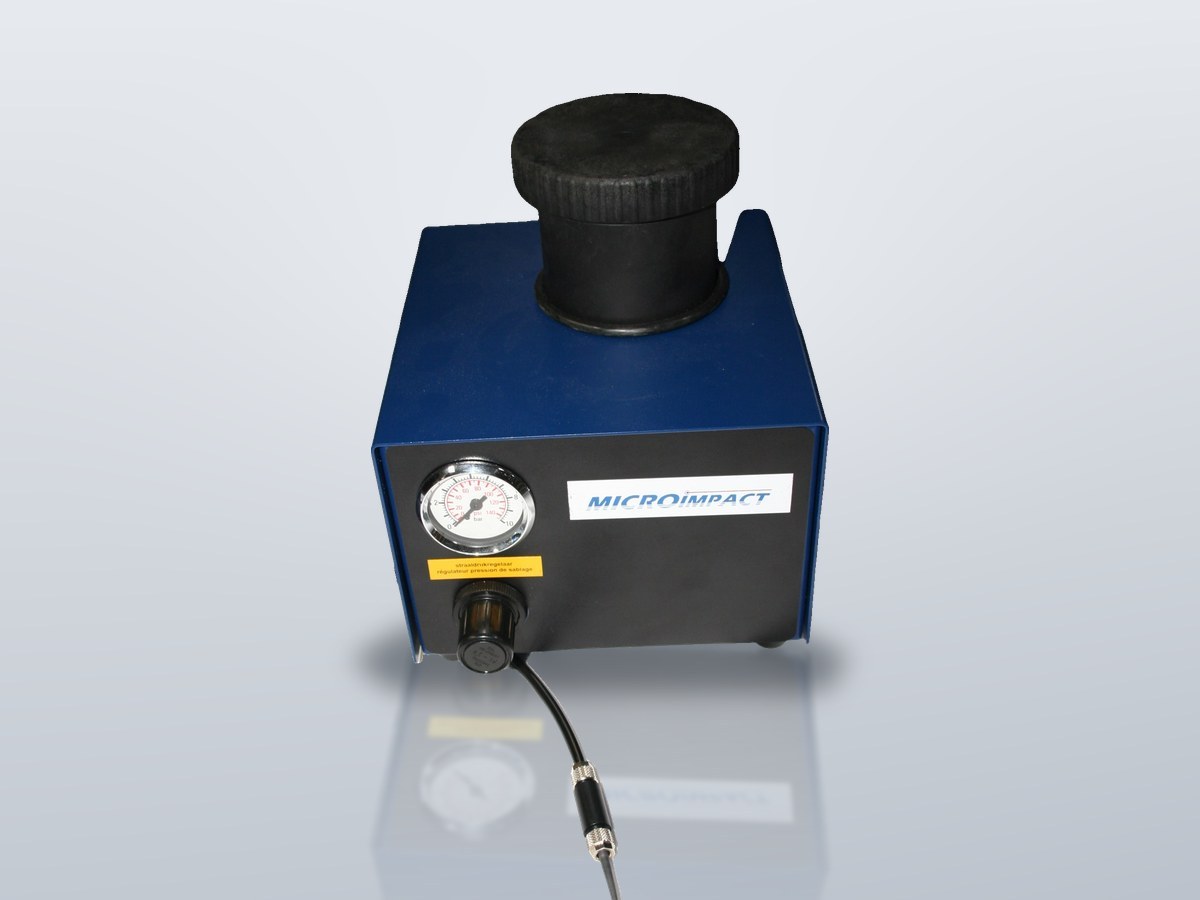
The Phibo MI200 measures 200 x 200 x 230 mm and runs entirely on its own: its own reservoir, its own regulator, its own foot pedal. It comes with one tungsten carbide nozzle of 1.2 mm. The 0.8 and 1.8 mm nozzles are ordered alongside it.
A single reservoir
The filling reservoir holds one abrasive at a time, with a grain size of 0 to 300 microns.
Regulator with pressure gauge
You set the blasting pressure with the regulator and read it on the gauge. That way you repeat the same setting, part after part.
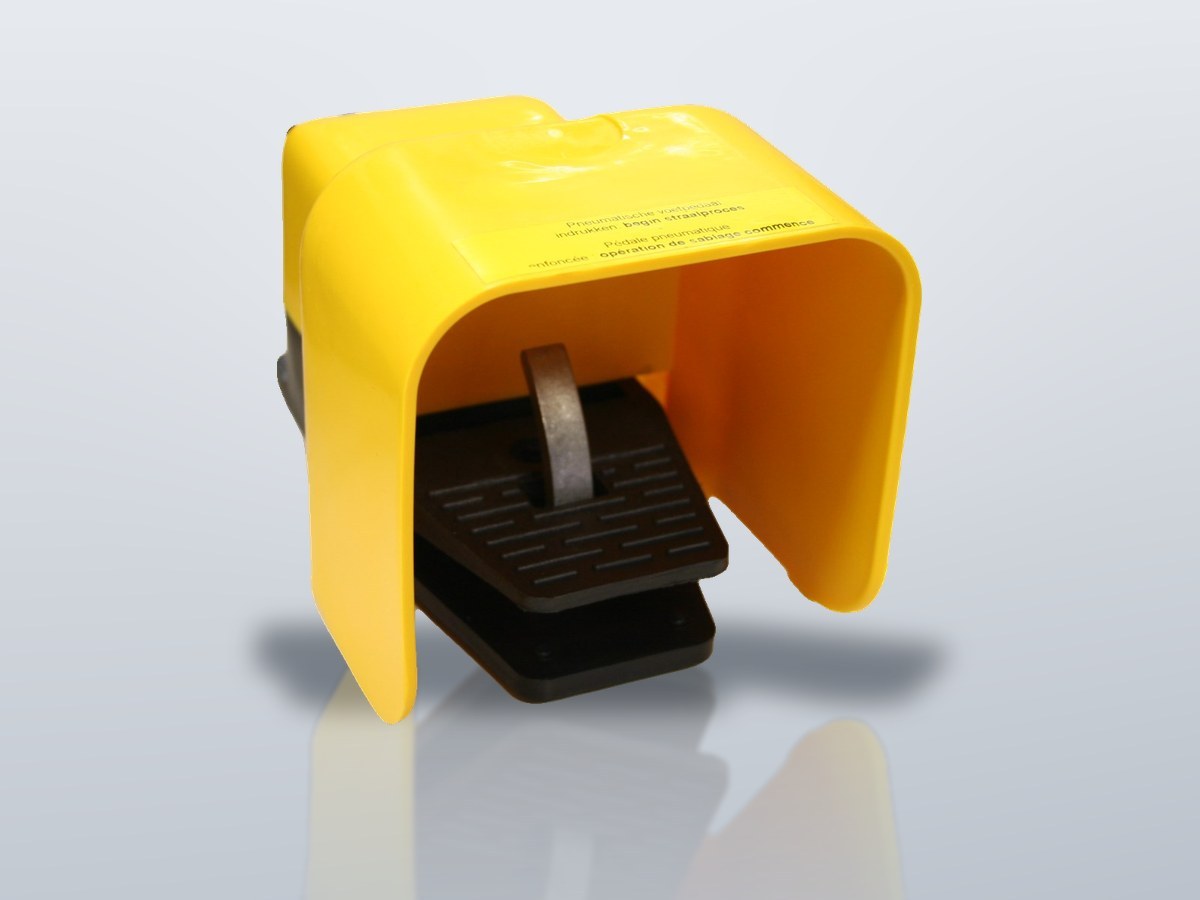
Operated by foot pedal
Blasting starts as soon as you press the pedal. Both your hands stay free for the part.
Runs on its own, fits your cabinet
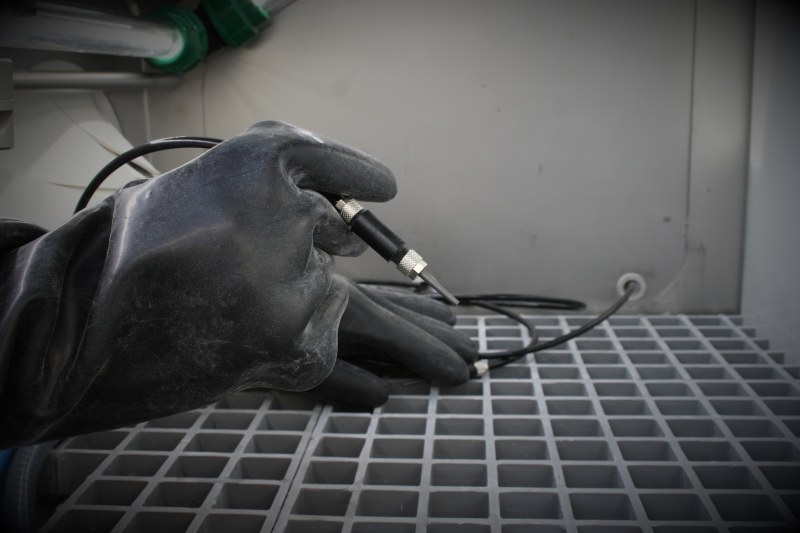
The MI200 is a fully independent unit. Already have a blast cabinet? You mount it onto that easily.
Technical data Phibo MI200: 200 x 200 x 230 mm, 1.2 mm nozzle, 150 to 200 l/min
| Unit | |
|---|---|
| Dimensions (l x d x h) | 200 x 200 x 230 mm |
| Abrasive reservoir | 1 filling reservoir |
| Operation | Separate foot pedal |
| Pressure control | Regulator with pressure gauge |
| Set-up | Fully independent unit, can also be mounted onto an existing blast cabinet |
| Blasting nozzle | |
| Standard nozzle | Tungsten carbide, diameter 1.2 mm |
| Available nozzles | Diameter 0.8, 1.2 and 1.8 mm |
| Air consumption | 150 to 200 l/min with the 1.2 mm nozzle |
| Abrasive | |
| Grain size | 0 to 300 microns |
| Types | Including glass beads, ceramic beads, aluminium oxide (corundum) and plastic media |
| Use | The abrasive passes through the unit only once, so the blasting result stays identical |
| Delivery | |
| Packaging | Cardboard box of 300 x 300 x 400 mm |
| Protection | Rigid foam inner packing |
| Total packed weight | 8 kg |
Swipe the table to the left to see all columns.
The three nozzles side by side: 0.8, 1.2 and 1.8 mm
| 0.8 mm nozzle | 1.2 mm nozzle | 1.8 mm nozzle | |
|---|---|---|---|
| Diameter | 0.8 mm | 1.2 mm | 1.8 mm |
| With the unit | Ordered separately | Supplied as standard | Ordered separately |
| Material | On request | Tungsten carbide | On request |
| Air consumption | On request | 150 to 200 l/min | On request |
| Abrasive | 0 to 300 microns | 0 to 300 microns | 0 to 300 microns |
Swipe the table to the left to see all columns.
As standard you get the 1.2 mm nozzle: tungsten carbide, 150 to 200 l/min. If you choose 0.8 or 1.8 mm, we send you those two figures with your proposal.
The finish
How every part gets the same result
In microblasting the difference sits in the nozzle, the abrasive and the pressure. Three choices decide what you see on the part.
The nozzle sets the blast spot
Three diameters: 0.8, 1.2 and 1.8 mm. The smaller the nozzle, the narrower the area you treat.
The abrasive sets the surface
Including glass beads, ceramic beads, aluminium oxide (corundum) and plastic media, with a grain size of 0 to 300 microns.
The abrasive passes through once
The abrasive is used only once. That keeps the result identical from the first part to the last.
What it asks in compressed air
The 1.2 mm nozzle uses 150 to 200 litres of compressed air per minute. Send us the flow rate and the pressure of your compressed air.
Consumables
Which abrasive passes through a microblasting unit
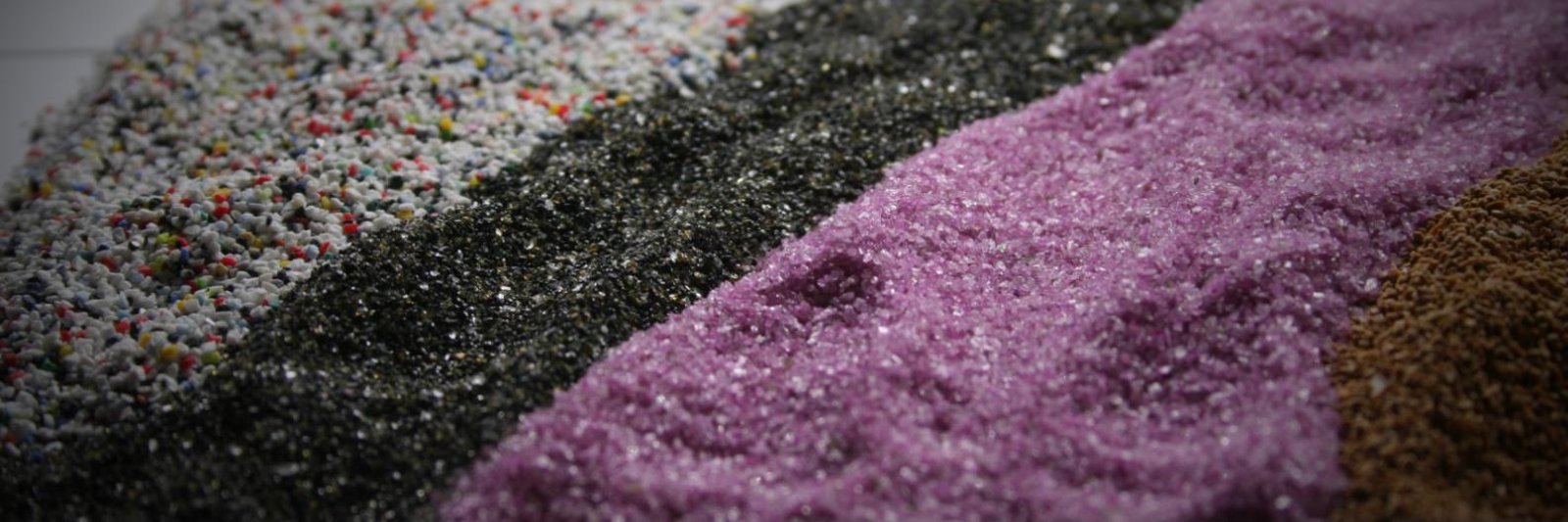
The abrasive for microblasting is fine, with a grain size of 0 to 300 microns, and passes through the unit only once. So you order it together with the installation, and again after that.
From our own warehouse
We keep abrasives, nozzles and spare parts in stock, so you order them from the same partner as the unit.
- Glass beads
- Ceramic beads
- Aluminium oxide (corundum)
- Plastic media
- Grain sizes from 0 to 300 microns
- Nozzles of 0.8, 1.2 and 1.8 mm
Your installation keeps running
Maintenance, repair and spare parts, directly from Phibo, by our own technicians.
Maintenance
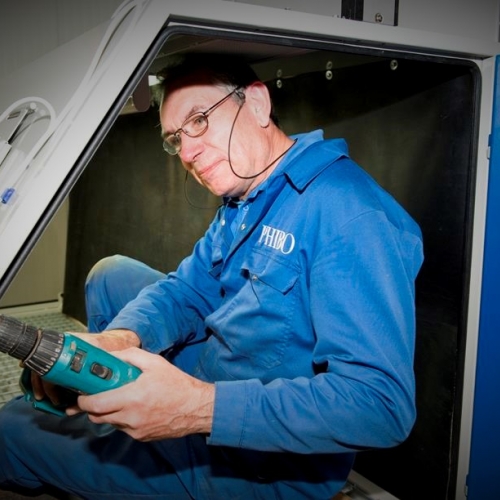
Preventive maintenance in our workshop or at your site. After every service your settings and consumption are reviewed.
More about this service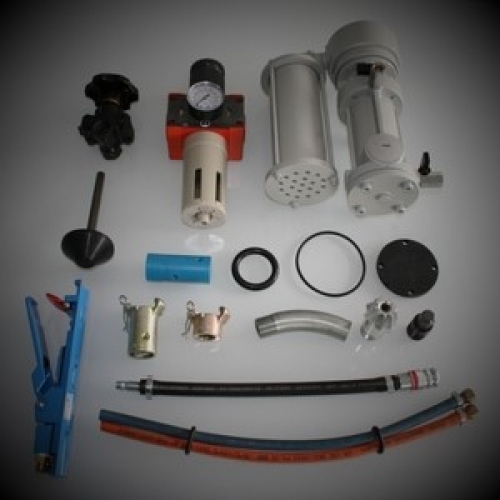
Spare parts
Blast pots, hoses, guns, rubber flaps and filter cartridges from stock. Non-standard parts we make ourselves.
More about this service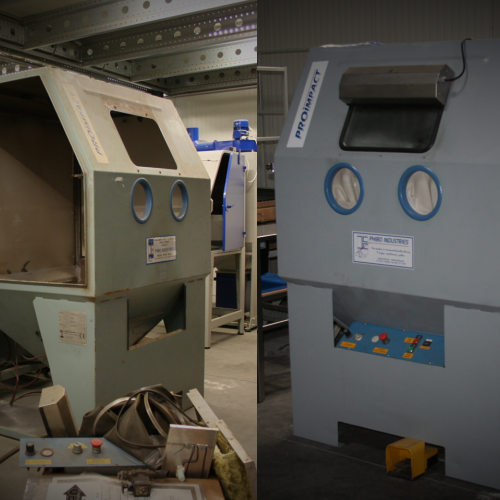
Revision and retrofitting
Modernise an existing installation or convert it to a new process. Revised second-hand installations too.
More about this service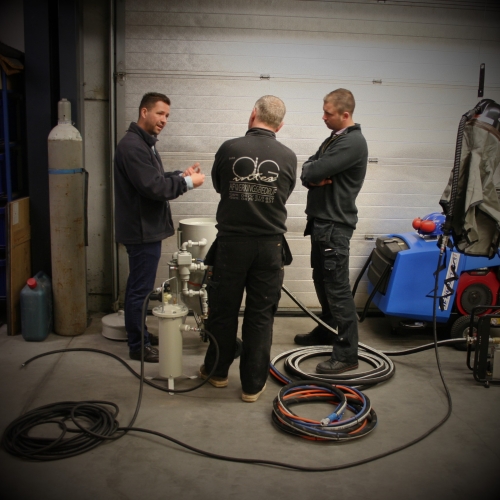
Training
Hands-on training at commissioning, standard with SublimotionProcess® and on request with the other installations. When staff change, we repeat it to suit your team.
More about this serviceBlasting installations
Other blasting installations from Phibo
Microblasting treats very small parts. For larger parts or a different finish, you use one of these installations.
All blasting installations
Cabinets, blast rooms, pots, mobile systems and microblasting side by side.
Industrial blast cabinets
The cabinet you mount the unit onto, with the dimensions and the specifications of every model.
Wet blast cabinets
Blasting with water and abrasive, for a fine and closed surface.
We call you and go through your application
Send us the material of your parts, the area you want to treat and the result you are after. You receive a proposal with the nozzle and the abrasive that suit it. One partner, from the first conversation to the last spare part.
- The material and the dimensions of your parts
- The area you want to treat and the result you are after
- The flow rate and pressure of your compressed air, and whether you already have a blast cabinet