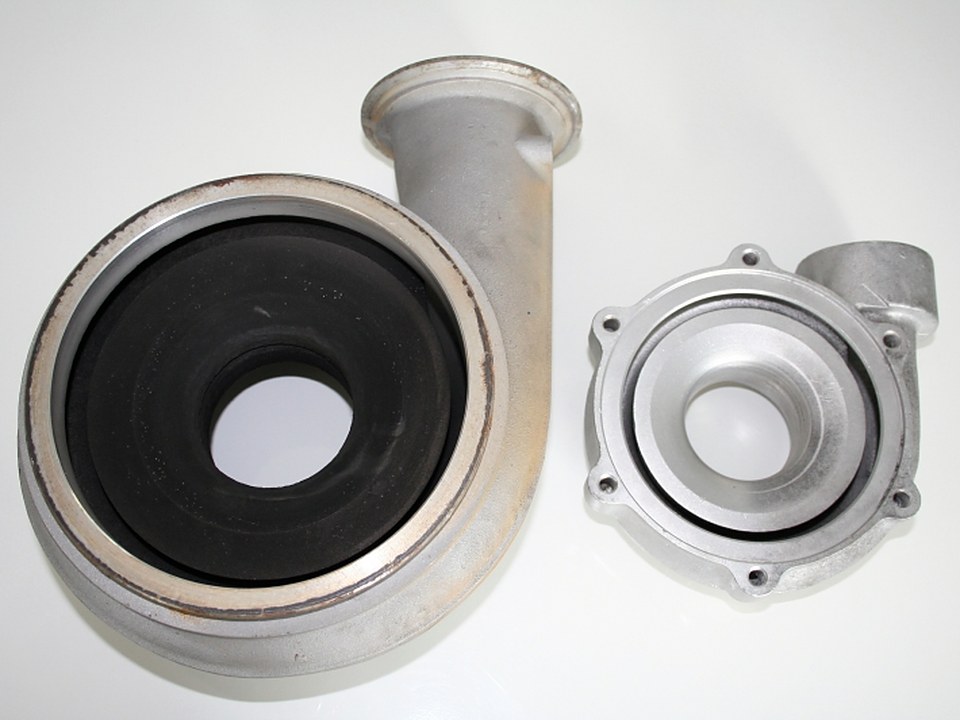
Do pumps and valves have to be fully dismantled to wet blast them?
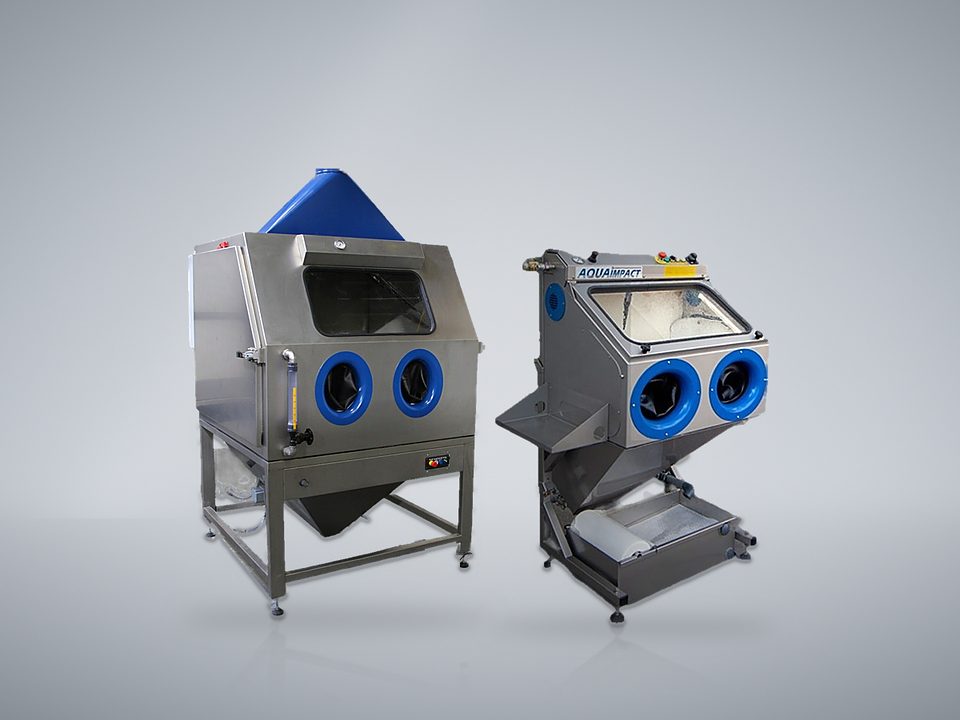
No. Wet blasting also cleans complex assemblies without full dismantling. Paint, rust and chemical deposits come off in one operation, and the part is degreased at the same time.
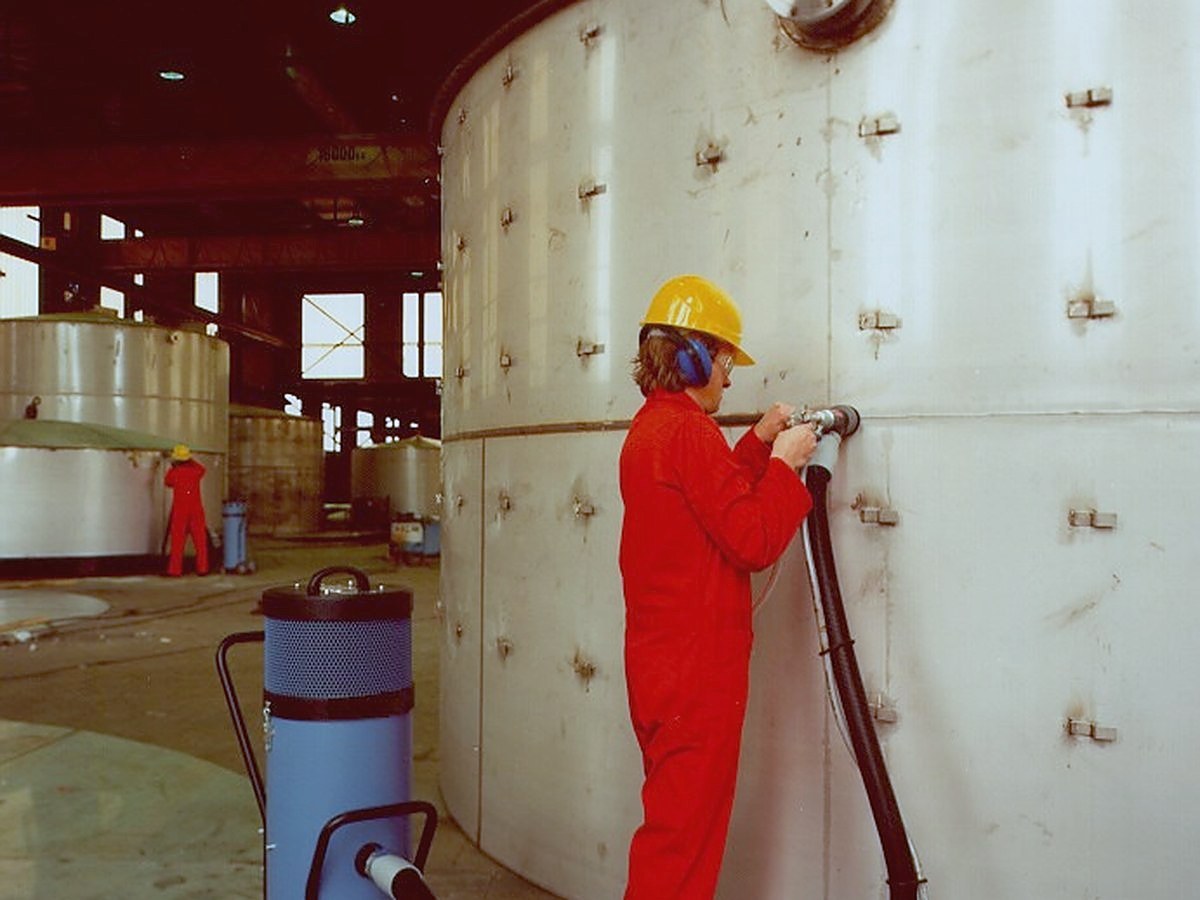
Can I blast a tank without covering the surroundings?
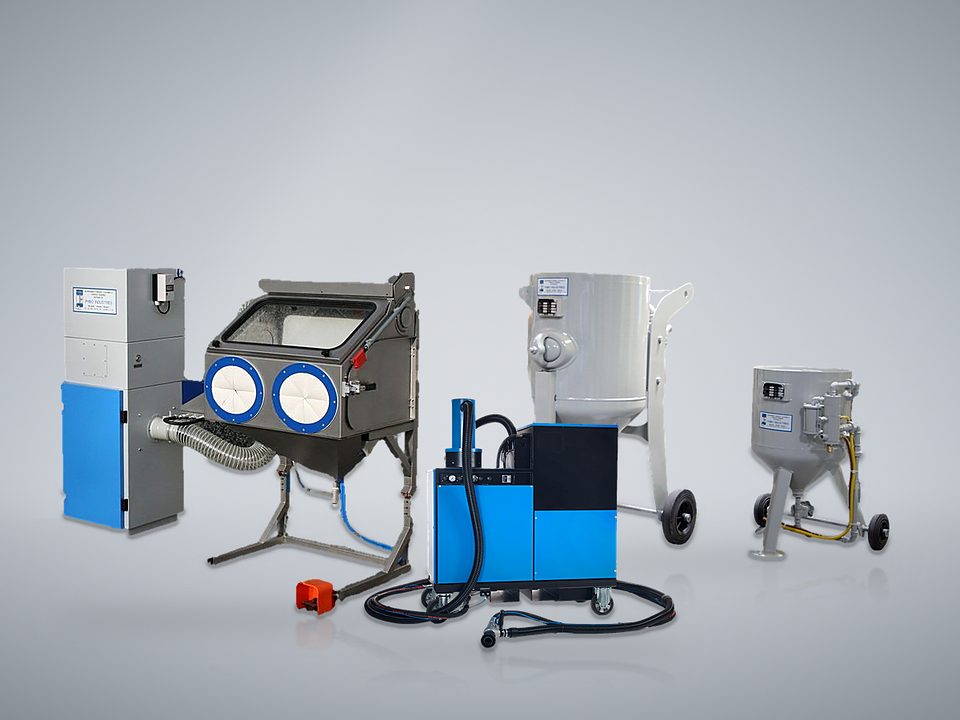
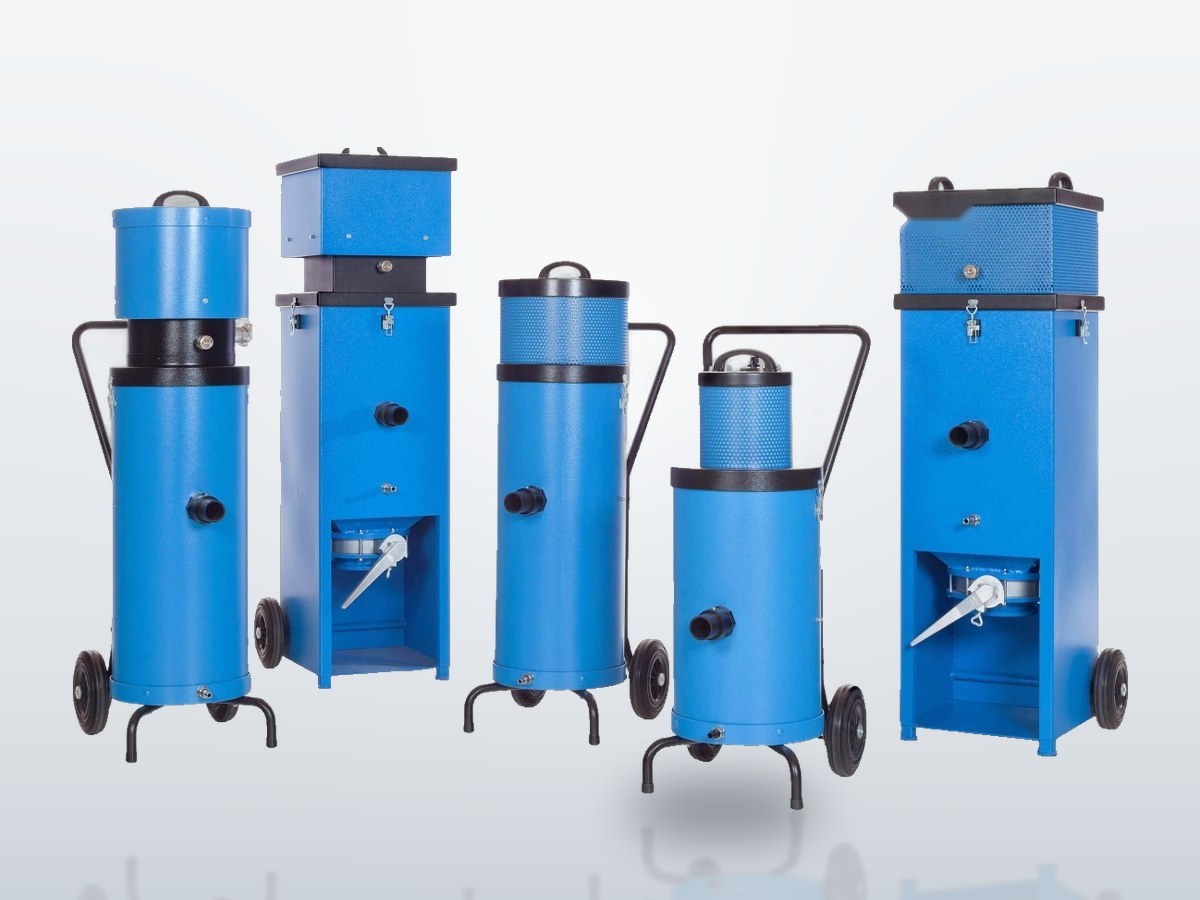
Yes, with vacuum blasting in a closed circuit. The abrasive and the dust stay inside the machine, so there is nothing to screen off and no clean-up afterwards. Colleagues can keep working next to you.
Is wet blasting used in the nuclear sector?
Yes. Wet blasting is used in the nuclear sector for pumps, valves and pipe sections, among other parts. No dust is released, and the part is degreased and cleaned in the same treatment.
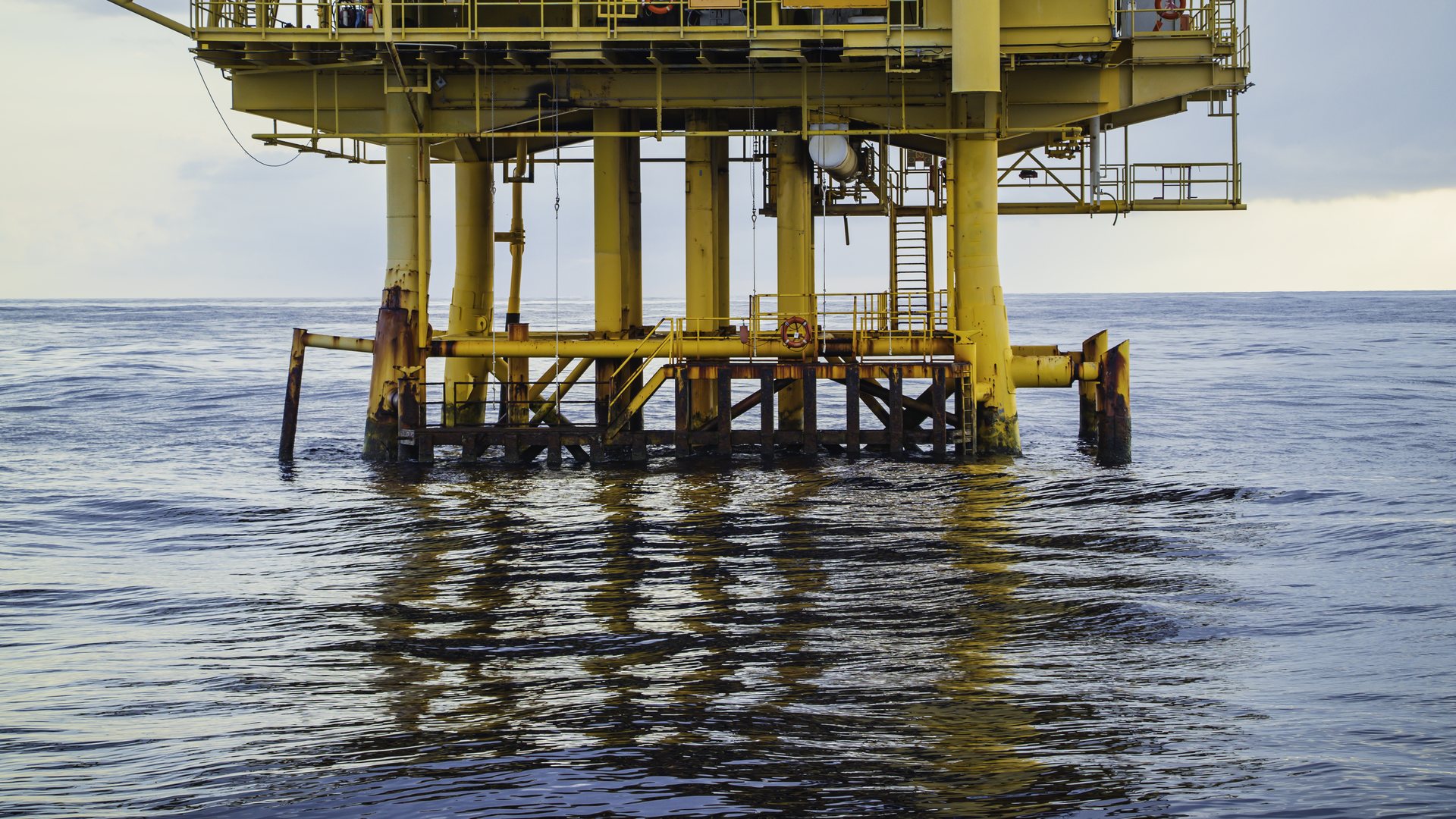
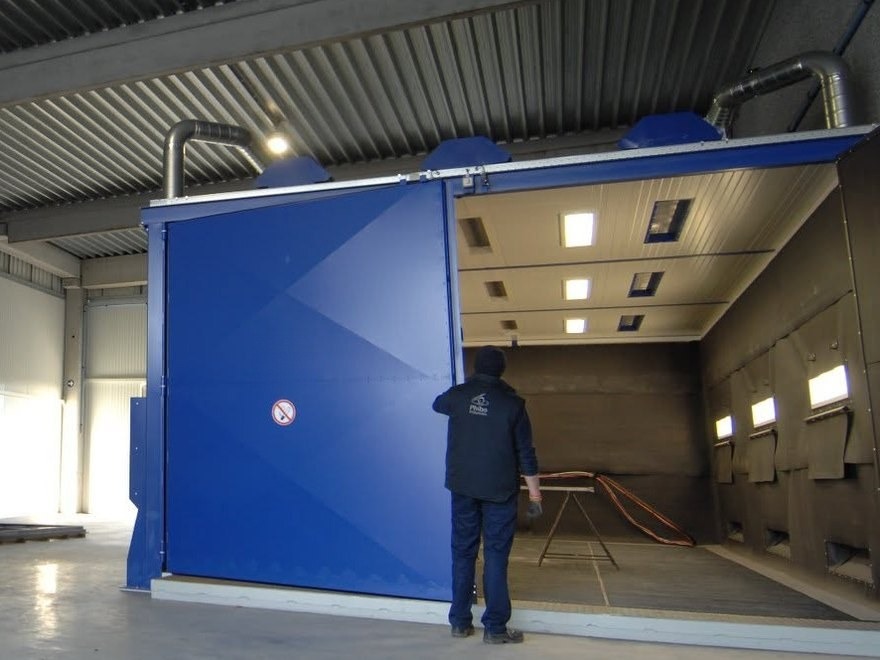
Where do I blast large offshore components?
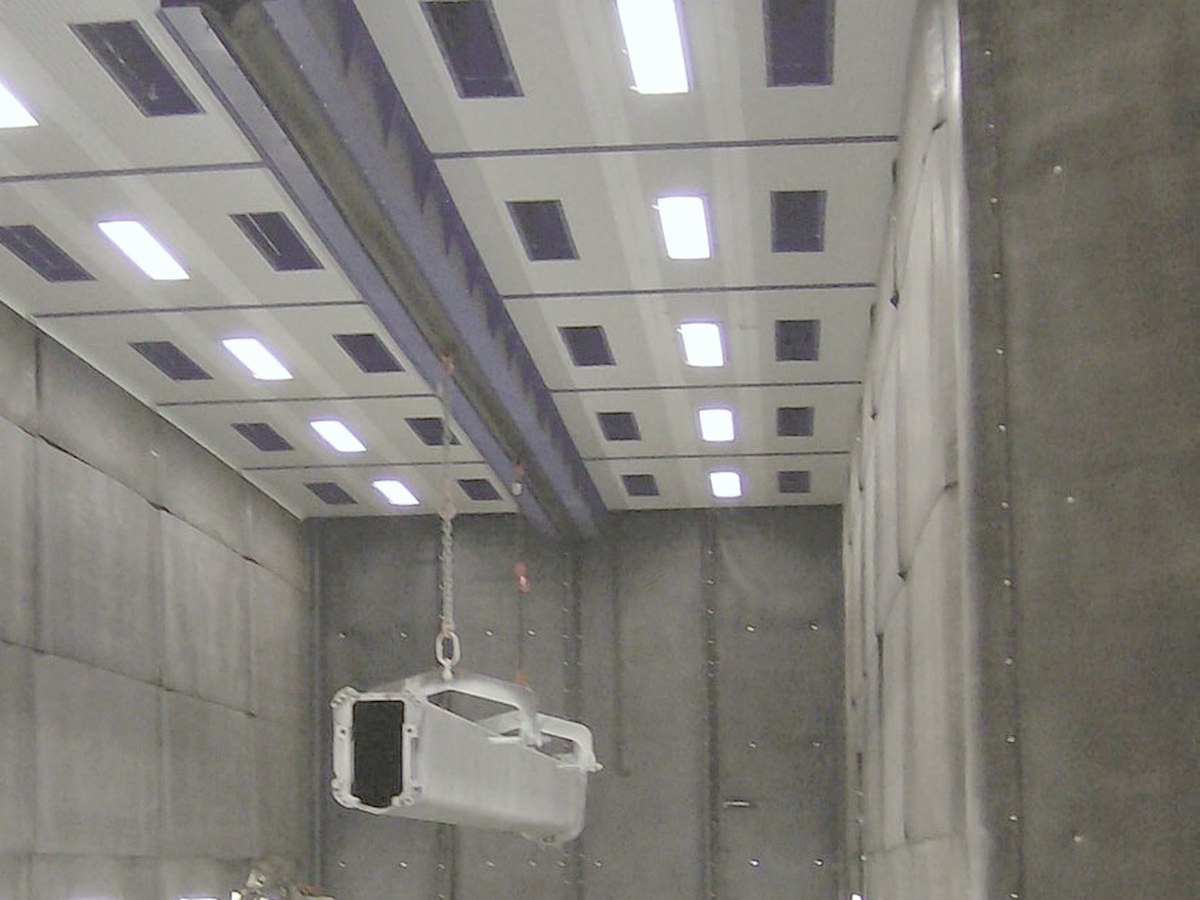
Large offshore components are blasted in a blast room that the operator walks into, with extraction and filtration that keep the dust inside the installation. The size follows from your largest part and the number of operators.
Who supplies dust-free mobile blasting systems for on-site tank and pipework blasting?
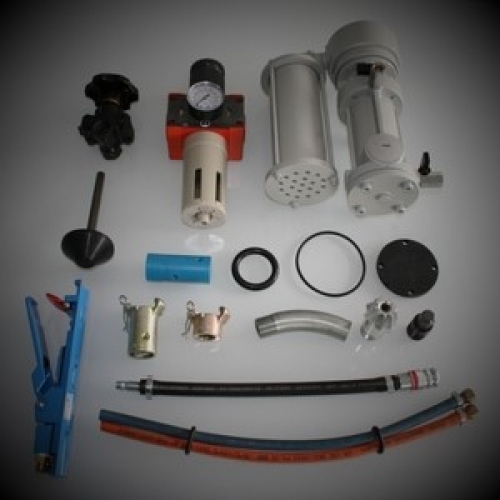
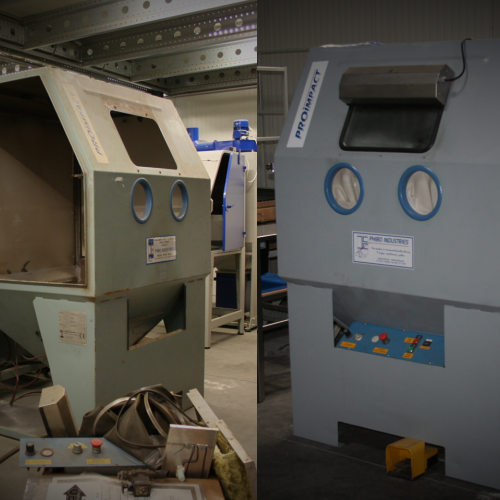
Phibo Industries in Ronse, Belgium, a surface technology specialist since 1988, supplies the vacuum blasting systems of the VACU-impact line, plus wet blast cabinets and blast rooms, with its own service technicians and its own spare parts warehouse. Phibo installations are in use at ENGIE, SCK CEN and Lamifil, among others.