
Microblasting
Deburring, polishing or cleaning very small parts, or giving them an even matt or satin finish, with extreme precision. That is microblasting: a nozzle of 0.8 to 1.8 mm, operated with a foot pedal. The Phibo MI200 runs entirely on its own and mounts easily onto an existing blast cabinet. The data for the unit, the nozzle, the abrasive and the delivery are in the table below.

Applications
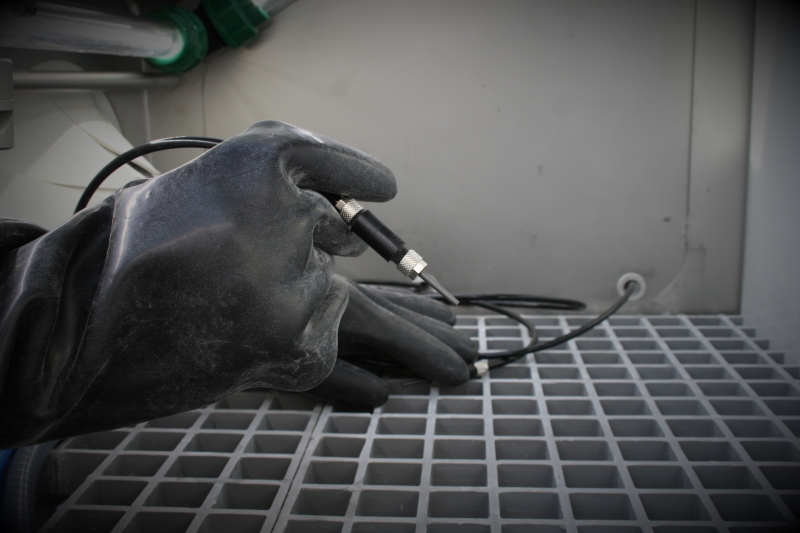
Microblasting is blasting with extreme precision, on very small parts. The nozzle measures 0.8 to 1.8 mm, the abrasive 0 to 300 microns. With it you deburr, polish or clean the part, or give the surface an even matt or satin finish.
An even matt or satin finish on a small area, with the metal beside it untouched.
Removing burrs on very small parts, and polishing surfaces to the finish you are after.
Removing contamination from very small parts, with extreme precision. With the same unit you also drill through hard materials such as glass and steel.
References
 Aerospace
 Pharma
 Rubber and plastics
 Rail
Rail Chemicals
 Metalworking
Phibo MI200
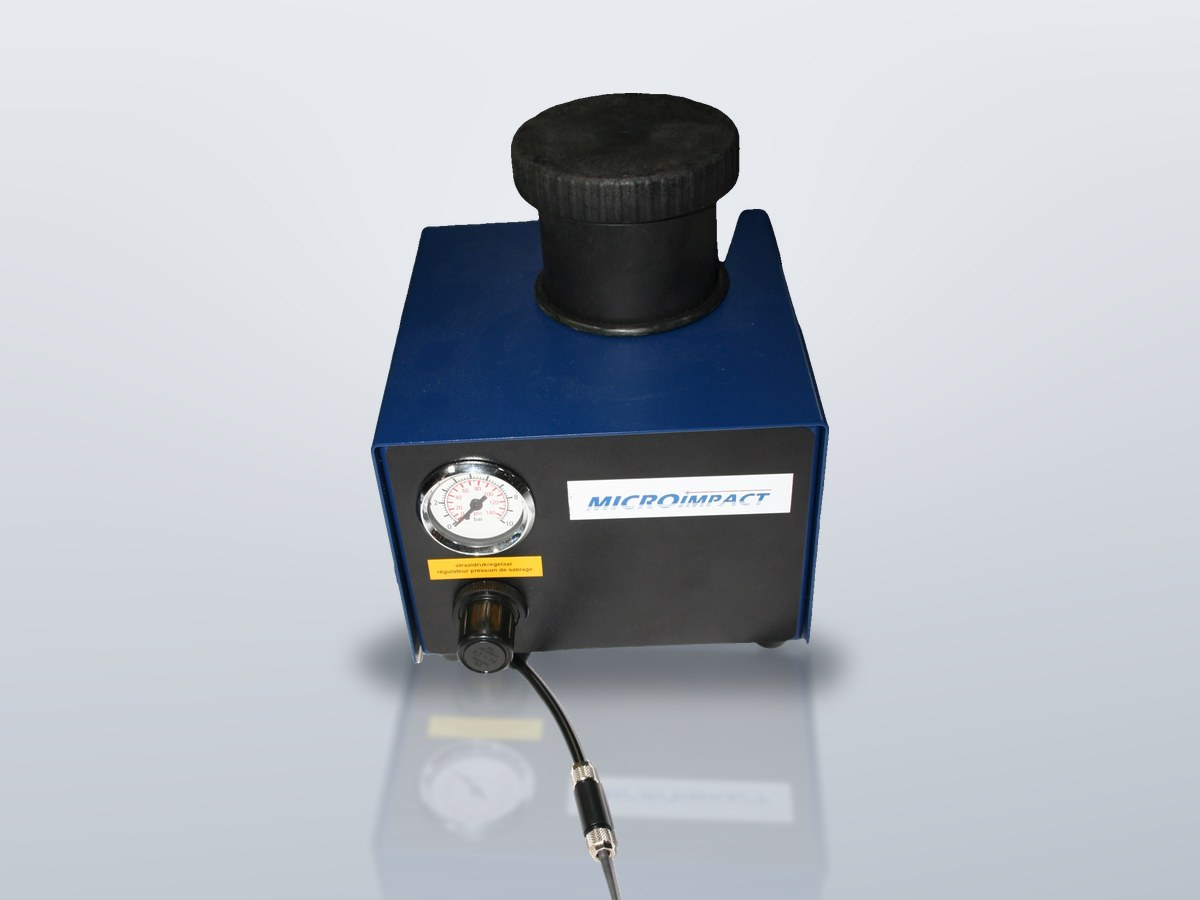
The Phibo MI200 measures 200 x 200 x 230 mm and runs entirely on its own: its own reservoir, its own regulator, its own foot pedal. It comes with one tungsten carbide nozzle of 1.2 mm. The 0.8 and 1.8 mm nozzles are ordered alongside it.
The filling reservoir holds one abrasive at a time, with a grain size of 0 to 300 microns.
You set the blasting pressure with the regulator and read it on the gauge. That way you repeat the same setting, part after part.
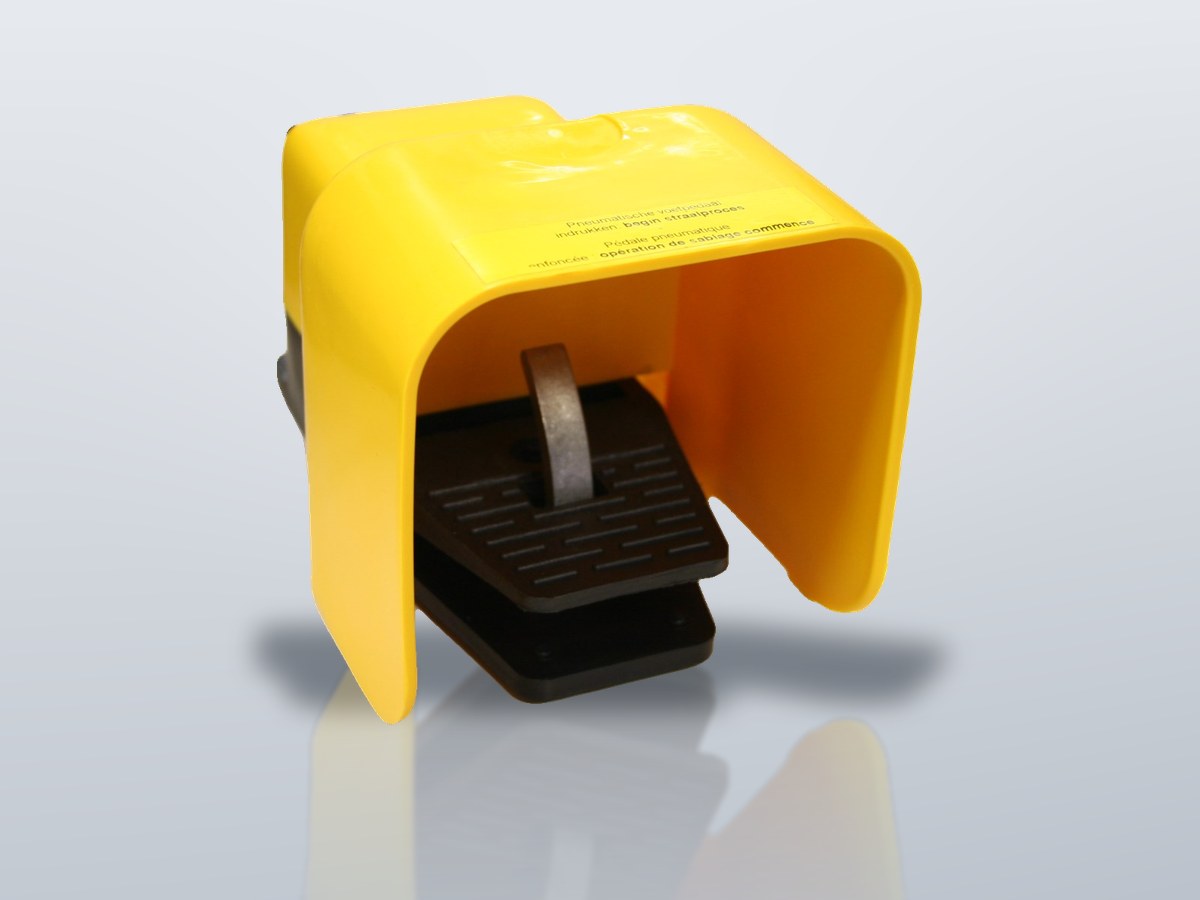
Blasting starts as soon as you press the pedal. Both your hands stay free for the part.
The MI200 is a fully independent unit. Already have a blast cabinet? You mount it onto that easily.
| Unit | |
|---|---|
| Dimensions (l x d x h) | 200 x 200 x 230 mm |
| Abrasive reservoir | 1 filling reservoir |
| Operation | Separate foot pedal |
| Pressure control | Regulator with pressure gauge |
| Set-up | Fully independent unit, can also be mounted onto an existing blast cabinet |
| Blasting nozzle | |
| Standard nozzle | Tungsten carbide, diameter 1.2 mm |
| Available nozzles | Diameter 0.8, 1.2 and 1.8 mm |
| Air consumption | 150 to 200 l/min with the 1.2 mm nozzle |
| Abrasive | |
| Grain size | 0 to 300 microns |
| Types | Including glass beads, ceramic beads, aluminium oxide (corundum) and plastic media |
| Use | The abrasive passes through the unit only once, so the blasting result stays identical |
| Delivery | |
| Packaging | Cardboard box of 300 x 300 x 400 mm |
| Protection | Rigid foam inner packing |
| Total packed weight | 8 kg |
| 0.8 mm nozzle | 1.2 mm nozzle | 1.8 mm nozzle | |
|---|---|---|---|
| Diameter | 0.8 mm | 1.2 mm | 1.8 mm |
| With the unit | Ordered separately | Supplied as standard | Ordered separately |
| Material | On request | Tungsten carbide | On request |
| Air consumption | On request | 150 to 200 l/min | On request |
| Abrasive | 0 to 300 microns | 0 to 300 microns | 0 to 300 microns |
As standard you get the 1.2 mm nozzle: tungsten carbide, 150 to 200 l/min. If you choose 0.8 or 1.8 mm, we send you those two figures with your proposal.
Rather speak to someone first? +32 55 21 98 99
The finish
In microblasting the difference sits in the nozzle, the abrasive and the pressure. Three choices decide what you see on the part.
Three diameters: 0.8, 1.2 and 1.8 mm. The smaller the nozzle, the narrower the area you treat.
Including glass beads, ceramic beads, aluminium oxide (corundum) and plastic media, with a grain size of 0 to 300 microns.
The abrasive is used only once. That keeps the result identical from the first part to the last.
The 1.2 mm nozzle uses 150 to 200 litres of compressed air per minute. Send us the flow rate and the pressure of your compressed air.
Consumables
The abrasive for microblasting is fine, with a grain size of 0 to 300 microns, and passes through the unit only once. So you order it together with the installation, and again after that.
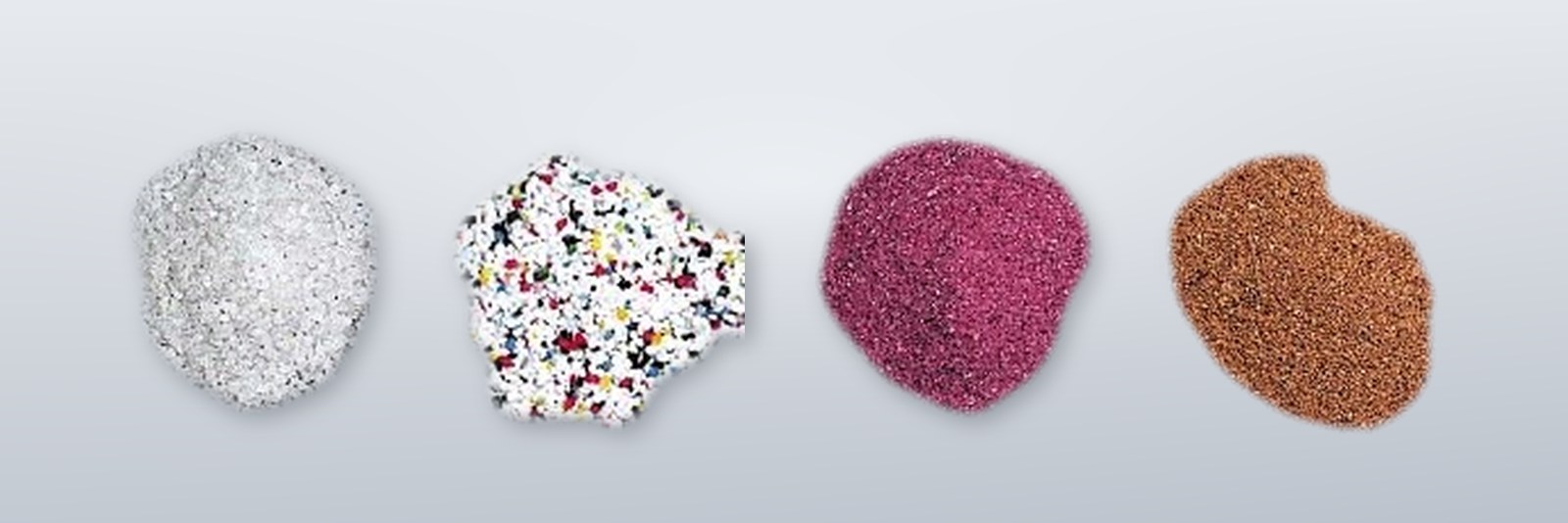
We keep abrasives, nozzles and spare parts in stock, so you order them from the same partner as the unit.
Assistance and service
Maintenance, repair and spare parts are arranged directly with Phibo. Our own technicians do the work.
We plan the inspection of your installation and follow it up. You agree the scope with us.
Spare parts come from our own warehouse. Our technicians carry out the repair.
Your operators learn to run and set the unit, at commissioning.
Blasting installations
Microblasting treats very small parts. For larger parts or a different finish, you use one of these installations.
Send us the material of your parts, the area you want to treat and the result you are after. You receive a proposal with the nozzle and the abrasive that suit it. One partner, from the first conversation to the last spare part.
Request
Three details are enough to determine the nozzle and the abrasive. You receive a proposal with the complete specifications.